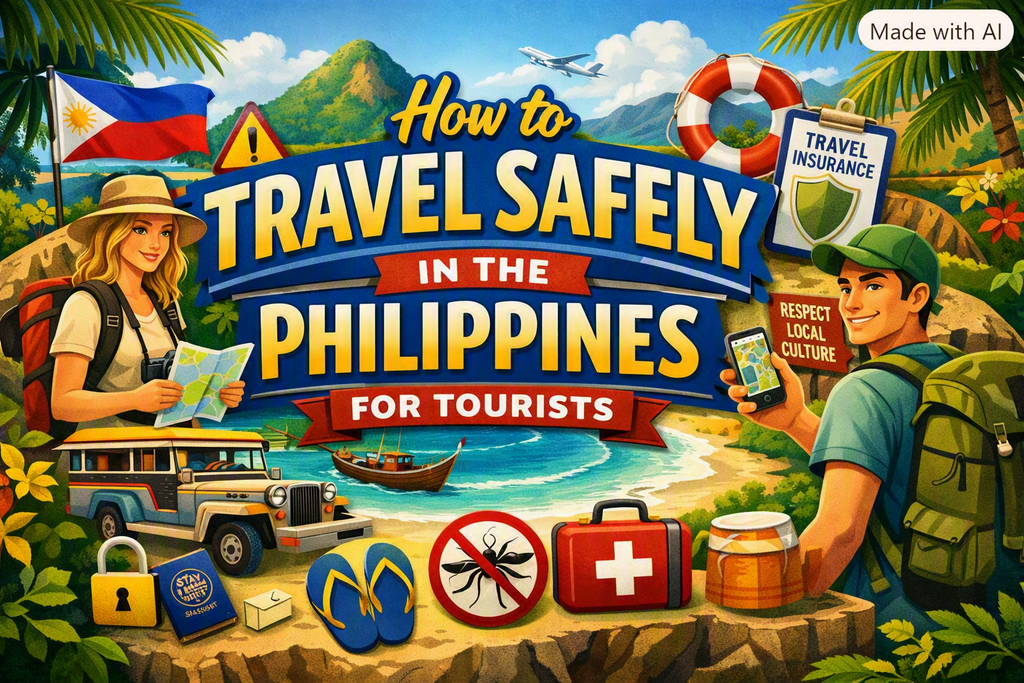
Learn how to travel safely in the Philippines with expert tips on transportation, ferries, island hopping, routes, weather, scams, emergency contacts, and regional safety. Includes guides for buses, jeepneys, ferries, flights, and island circuits.
Overview
Traveling in the Philippines is rewarding, scenic, and culturally rich — but safety requires awareness, planning, and understanding how transportation works across thousands of islands. This guide covers transport safety, weather considerations, regional awareness, ferry and cruise safety, island‑hopping precautions, and practical travel habits that keep you secure throughout your trip.
Explore related guides:
- Philippine Transportation Guide
- Philippine Travel Tips
- Philippine Ferry Systems
- Visayas Island Circuits Travel Guide
Why Safety Matters When Traveling in the Philippines
The Philippines is an archipelago of 7,641 islands, with diverse terrain, weather patterns, and transport systems. Safe travel requires understanding:
- Weather disruptions (typhoons, monsoon seasons)
- Ferry schedules and sea conditions
- Road conditions in rural provinces
- Urban traffic and transport etiquette
- Island‑hopping risks
- Emergency response limitations in remote areas
by ulkse.com by ar.inspiredpencil.com by worldmapusclip.blogspot.com
General Safety Tips for Travelers
1. Stay Updated on Weather Conditions
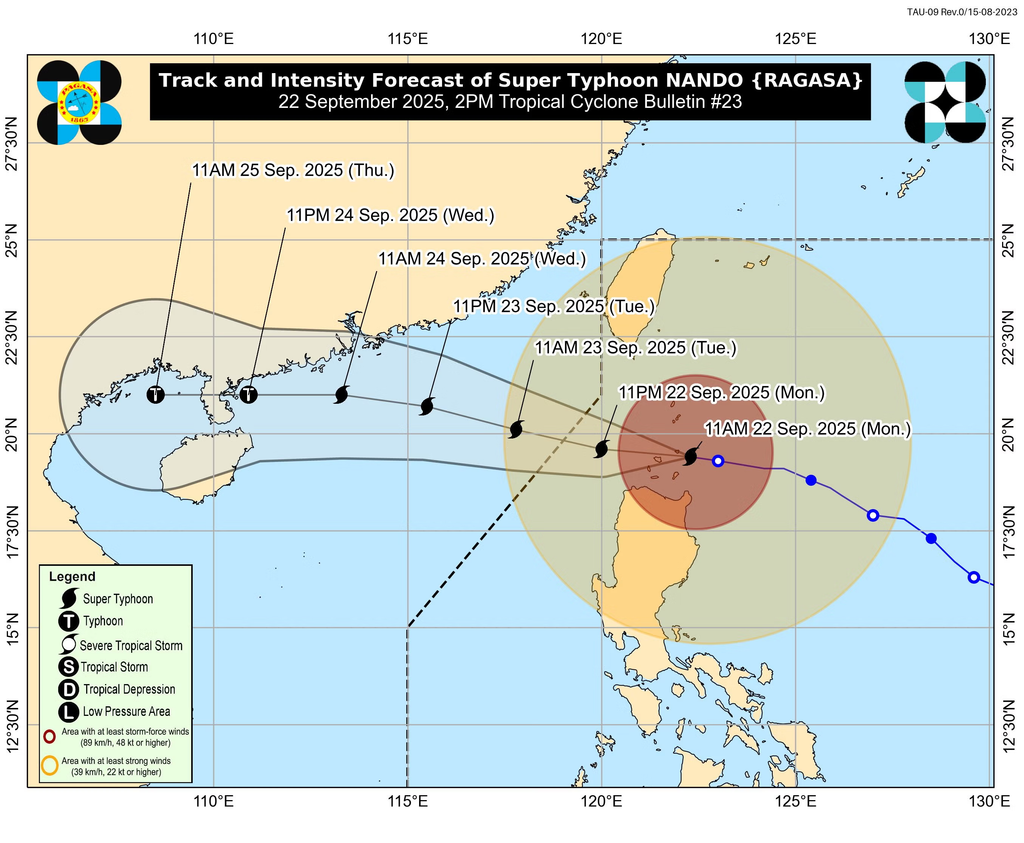
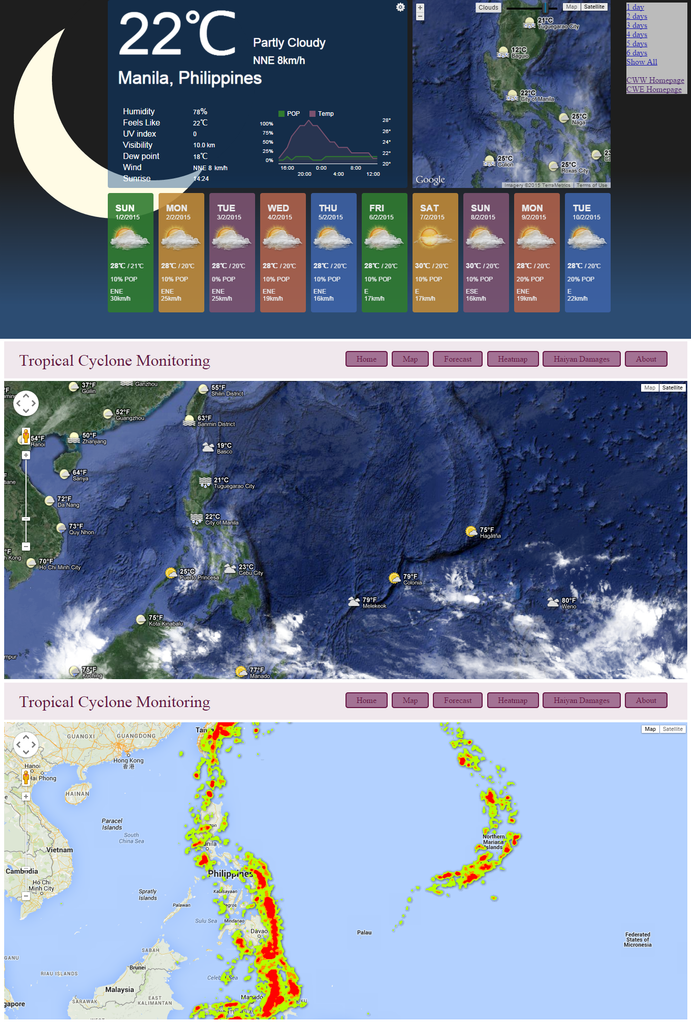
The Philippines experiences 20+ typhoons annually, especially June–November.
What to Do
- Check PAGASA updates daily
- Avoid sea travel during storm signals
- Reschedule ferries if winds exceed 30–40 kph
- Keep flexible itineraries
Explore: Philippine Ferry Travel
2. Secure Your Belongings
Pickpocketing can occur in crowded areas like markets, bus terminals, and jeepneys.
Tips
- Use anti‑theft bags
- Keep phones inside zipped pockets
- Avoid displaying expensive jewelry
- Store passports in hotel safes
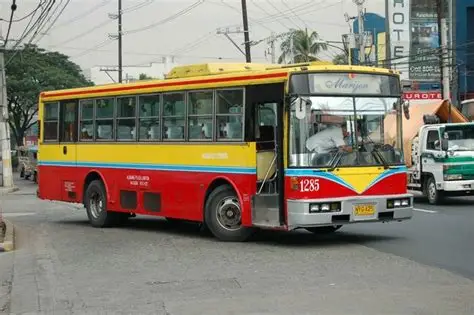
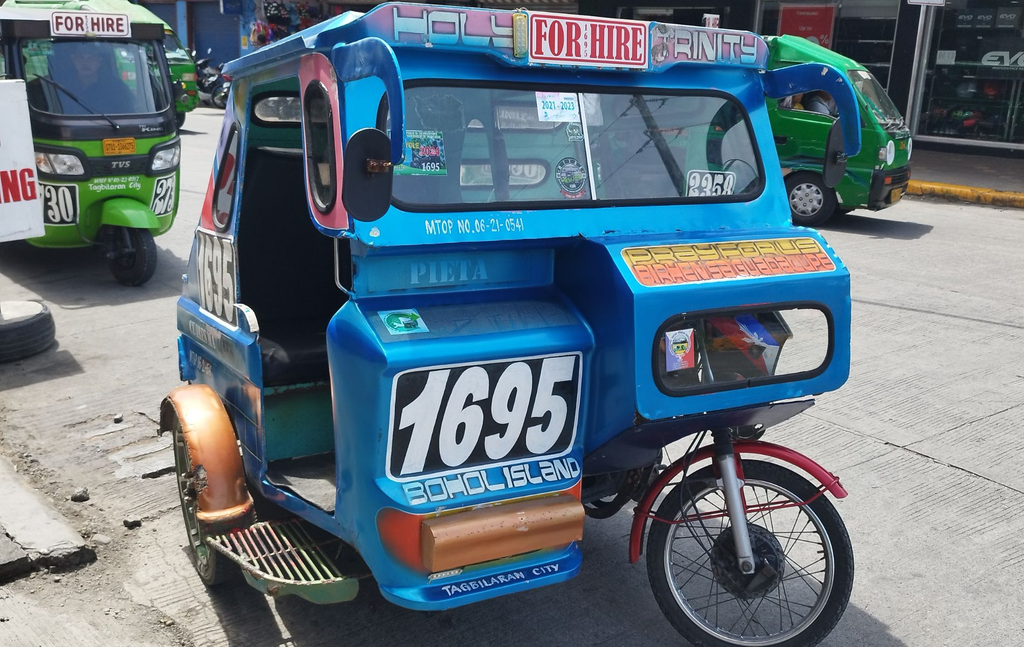
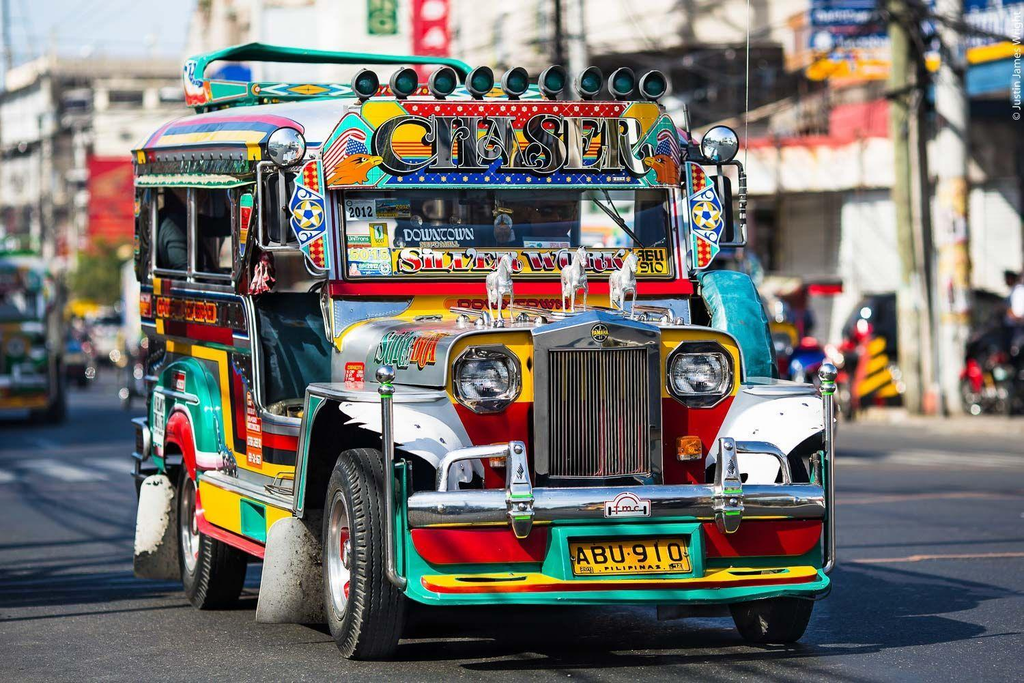
3. Use Registered Transportation Only
Avoid unregistered vans, tricycles, or boats.
Safe Options
- Grab (major cities)
- Accredited airport taxis
- Registered jeepneys
- Licensed ferry operators
- DOT‑accredited island‑hopping boats
by fotop.com by ar.inspiredpencil.com by wallpaperaccess.com
Related Guide
- Cheap Land Transportation
4. Avoid Traveling Alone at Night
While most cities are safe, nighttime travel increases risks.
Best Practices
- Use Grab instead of street taxis
- Avoid walking in dimly lit streets
- Stay in tourist‑friendly districts
5. Respect Local Customs
Filipinos are friendly, but cultural respect prevents misunderstandings.
Examples
- Dress modestly in rural areas
- Ask permission before taking photos
- Avoid loud behavior in religious sites
Safe Transportation in the Philippines
Transportation varies by region. Understanding each mode helps you travel safely and efficiently.
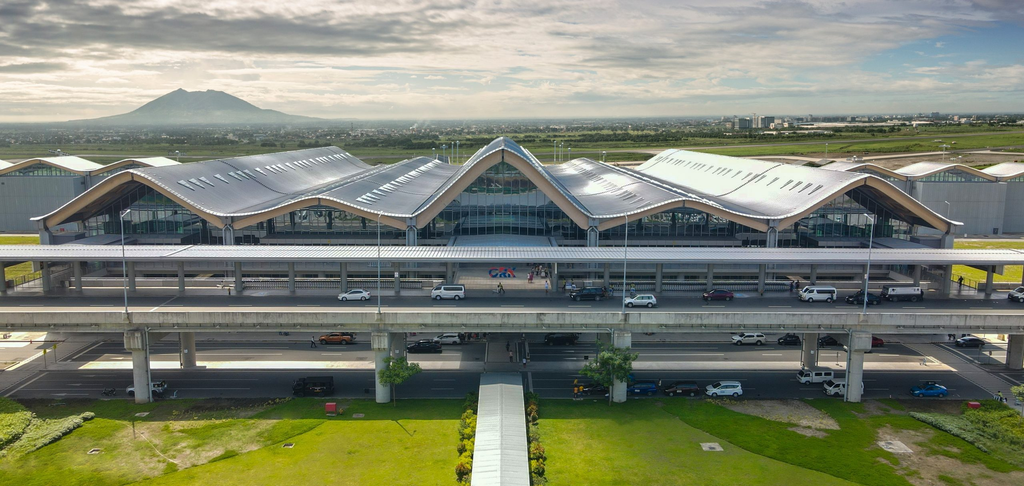
Air Travel Safety
Domestic flights are generally safe and reliable.
Major Airports
- NAIA (Manila)
- Mactan‑Cebu International Airport
- Clark International Airport
- Davao International Airport

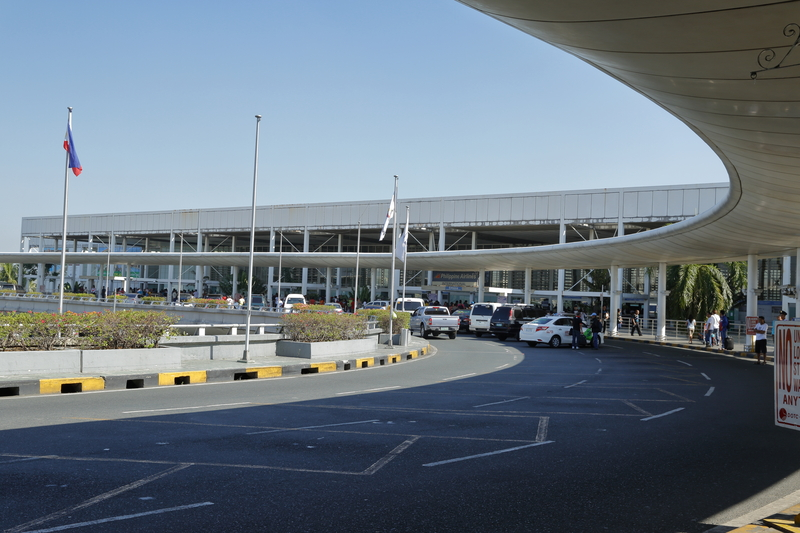
by clarkinternationalairport.com Mactan- Cebu by skytraxratings.com NAIA (Manila) by manila-airport.net
Safety Tips
- Arrive 2–3 hours early
- Use official airport taxis
- Avoid accepting offers from touts
Related Guides
- Transportation Guide
- International Travel to the Philippines
- Domestic Travel in the Philippines
Ferry & Cruise Travel Safety
Ferries are essential for inter‑island travel, especially in Visayas and Palawan.
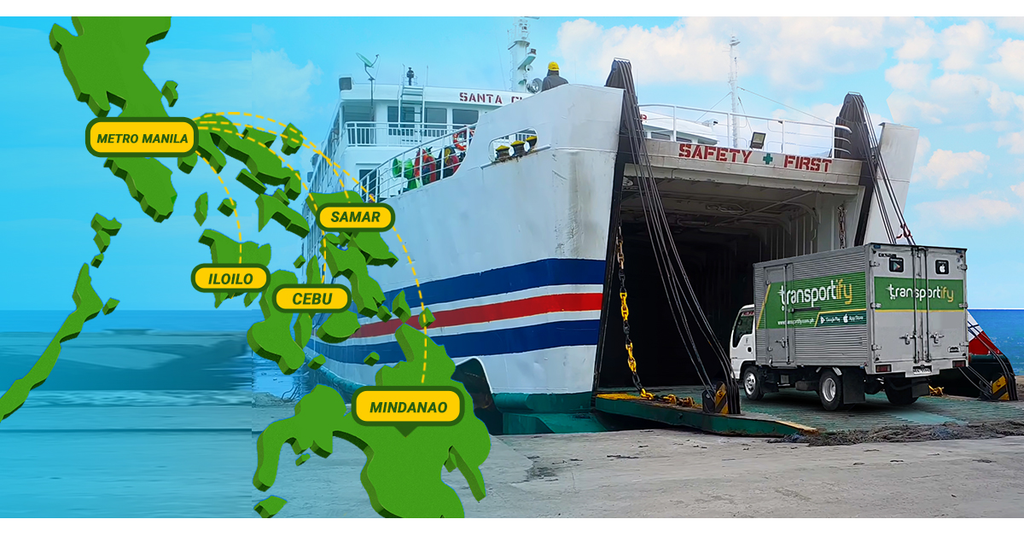
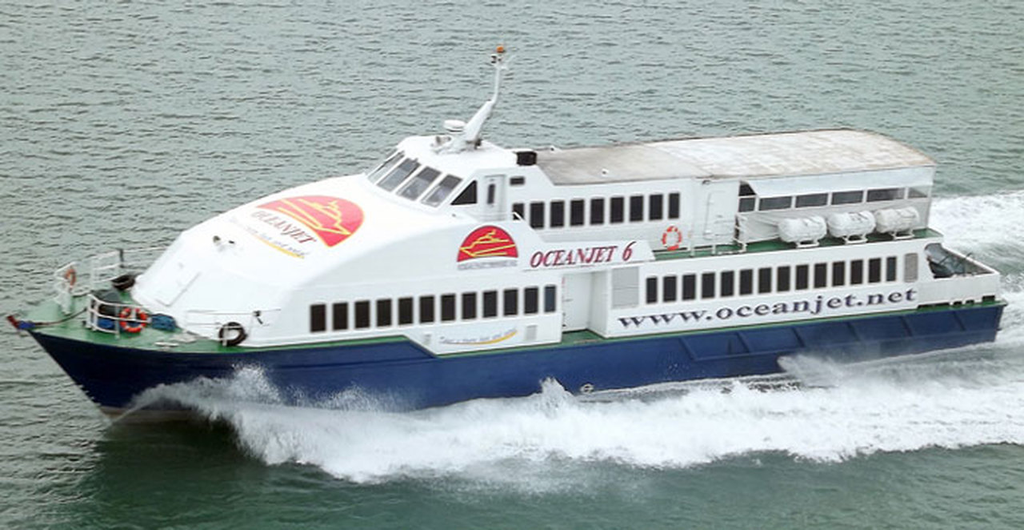
Roll On Roll Off by transportify.com.ph Bacolod-Iloilo Fast Craft by panaynews.net
Major Ferry Operators
- OceanJet
- 2GO Travel
- Montenegro Lines
- Lite Ferries
Safety Tips
- Check weather before boarding
- Choose reputable operators
- Avoid overloaded boats
- Wear life vests during rough seas
- Book early during peak season
Related Guides
- Philippine Cruise & Ferry Travel
Land Transportation Safety
Jeepneys
Iconic but crowded. Safety tips:
- Hold onto railings
- Keep bags in front
- Avoid late‑night jeepney rides
Buses
Reliable for long distances. Safety tips:
- Choose air‑conditioned buses
- Avoid standing during travel
- Keep valuables close
UV Express Vans
Fast but sometimes overloaded. Safety tips:
- Choose vans with proper signage
- Avoid vans without official terminals
Tricycles
Best for short distances. Safety tips:
- Negotiate fare beforehand
- Avoid steep or muddy roads
Related Guides
- Cheap Land Transportation
Island Hopping Safety
Island hopping is one of the Philippines’ top attractions — but requires caution.

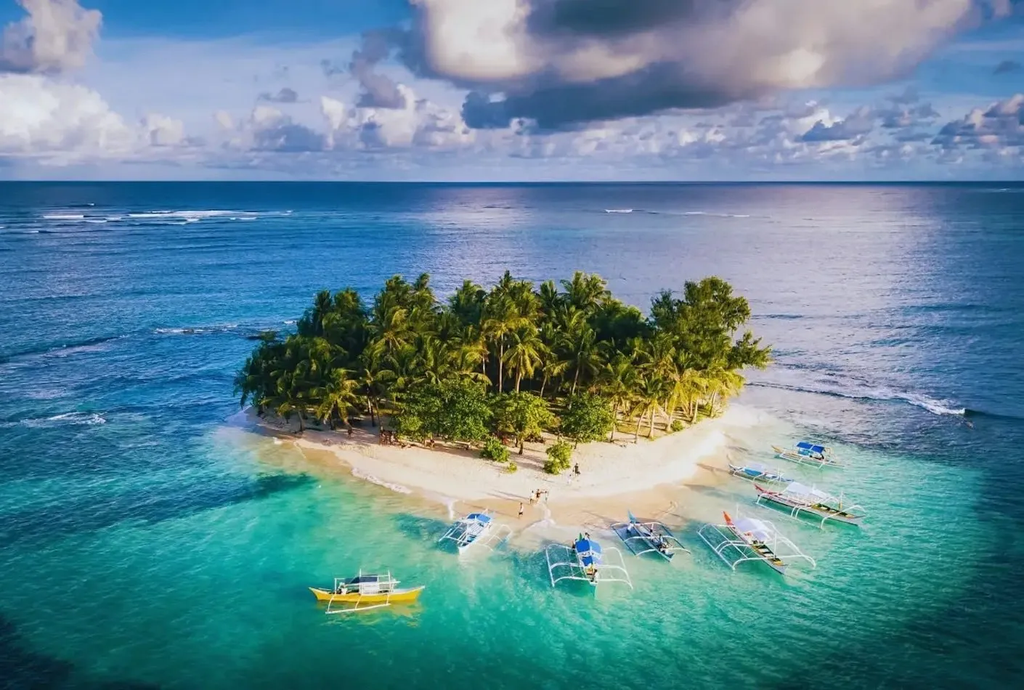
by Tourismsecrets.com by travel-palawan.com
1. Choose Accredited Boats
DOT‑accredited boats have:
- Life vests
- Radios
- Trained crew
- Proper documentation
2. Avoid Island Hopping During Bad Weather
Cancel trips if:
- Waves exceed 1–2 meters
- PAGASA issues storm signals
- Coast Guard suspends sea travel
3. Bring Essential Gear
- Waterproof bags
- Sunscreen
- First‑aid kit
- Extra water
- Dry clothes
4. Know Your Routes
Popular safe routes include:
El Nido Island Hopping Routes
- Tour A: Lagoons & Beaches
- Tour B: Caves & Islands
- Tour C: Hidden Beaches
- Tour D: Mainland Beaches
Coron Routes
- Kayangan Lake
- Twin Lagoon
- Barracuda Lake
Siargao Routes
- Naked Island
- Daku Island
- Guyam Island
Related Guides
- Island Hopping
- Island Hopping Routes
- Coron Travel Guide
- El Nido Travel Guide
- Siargao Travel Guide
Regional Safety Breakdown
Safety varies by region. Here’s a practical overview.
Luzon Island Group Safety
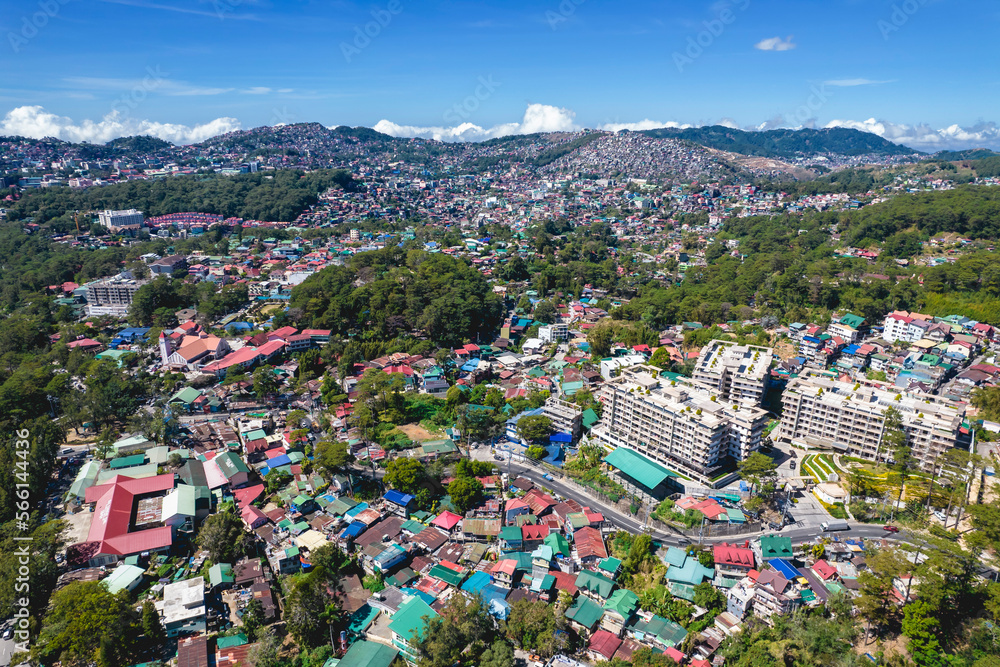
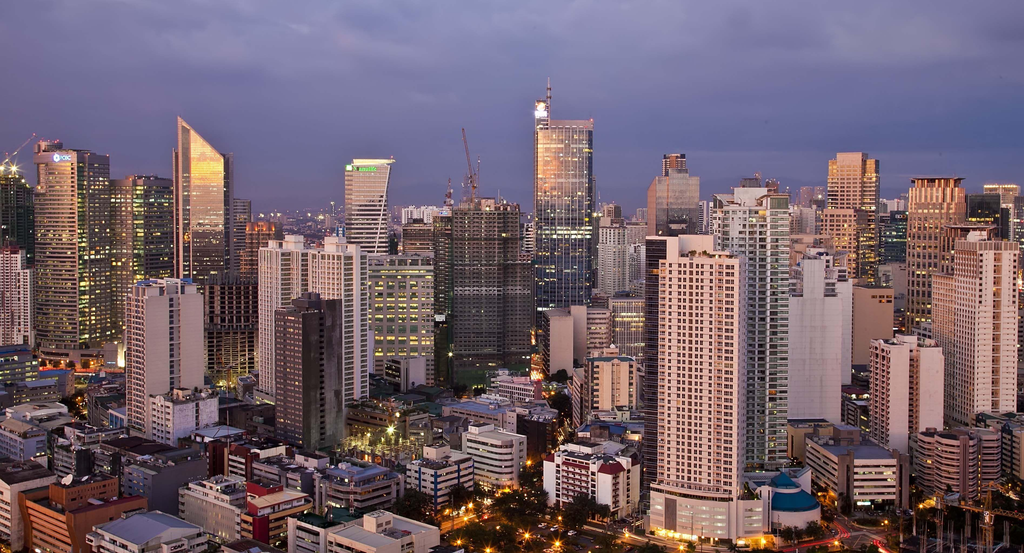
Baguio City by stoke.adobe.com ManilaSkyline by wallpaperaccess.com
Safe Areas
- Manila (tourist districts)
- Baguio
- Vigan
- La Union
- Batangas
- Puerta Princesa
- Most Rural areas
Tips
- Avoid isolated areas at night
- Use Grab in Metro Manila
- Follow beach safety flags
Visayas Island Group Safety


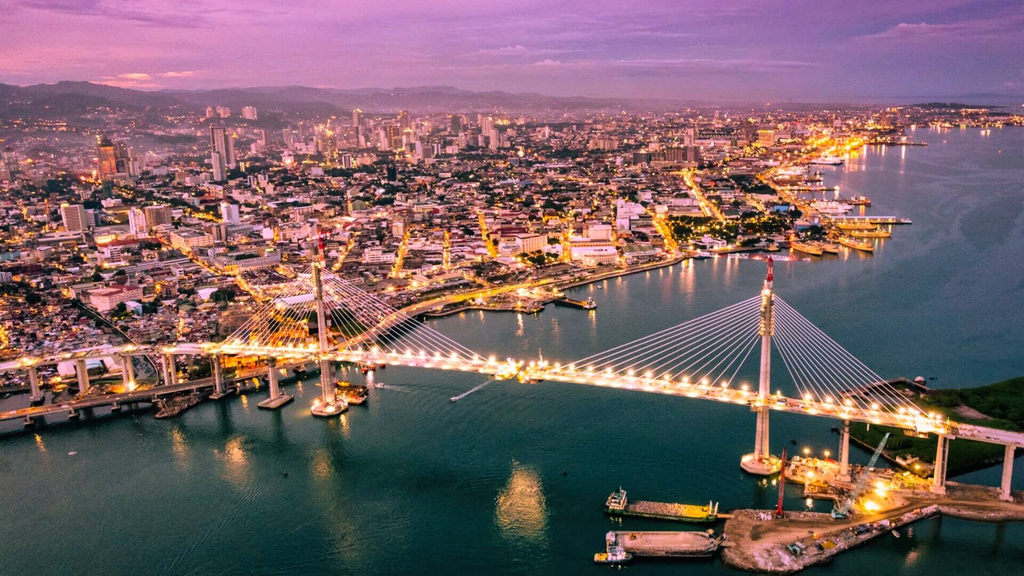
Siquijor island by needasmallbusinessloan.com Chocolate Hill, Bohol by traveloka.com Cebu by fity.club
Safe Areas
- Cebu
- Bohol
- Siquijor
- Iloilo
- Bacolod
Tips
- Ferries are common — check schedules
- Island hopping is safe with accredited boats
- Avoid unregistered motorcycle rentals
Related Guide
- Visayas Island Circuits Travel Guide
Mindanao Safety
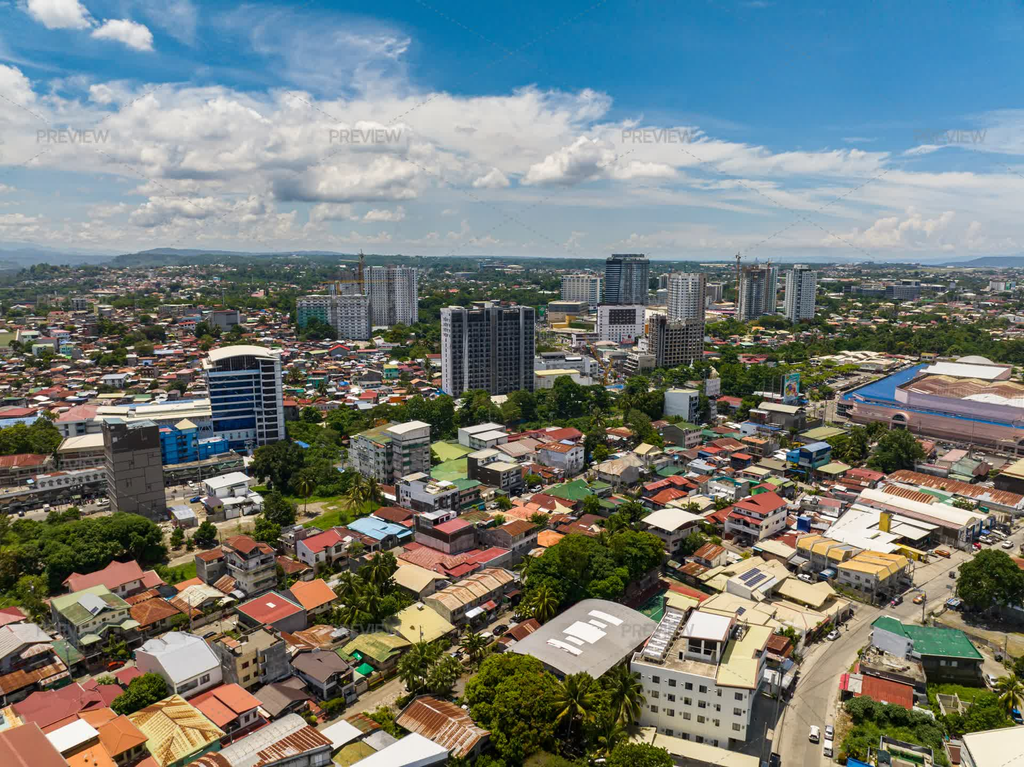
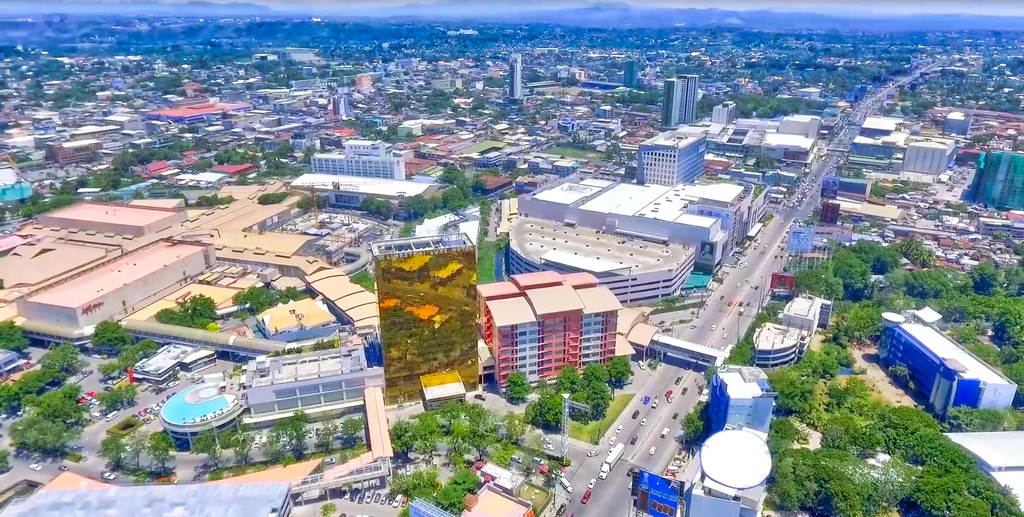
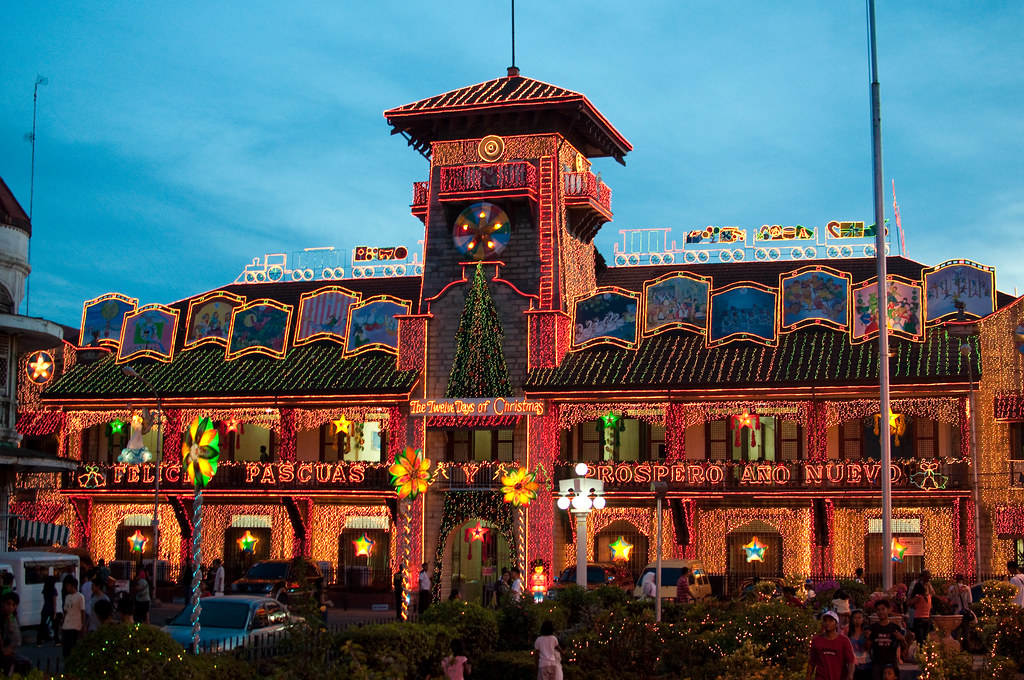
Davao City by fity.club Cagayan De Oro by storage.googleapis.com Zamboanga City by fity.club
Safe Areas
- Davao City
- Cagayan de Oro
- Camiguin
- Zamboanga City (tourist zones)
Tips
- Stick to major cities
- Avoid remote conflict‑prone areas
- Use official transport only
Emergency Preparedness
Related Guide
- Emergency & Health Tips in the Philippines
Important Numbers
- Philippine National Police: 117
- Emergency Hotline: 911
- Coast Guard: 0917‑PCG‑HELP
- Tourist Assistance Centers: Available in major cities
Travel Insurance
Highly recommended for:
- Medical emergencies
- Lost baggage
- Flight cancellations
- Ferry disruptions
Health Safety
- Drink bottled water
- Avoid raw street food
- Bring anti‑diarrheal medicine
- Wear sunscreen
- Stay hydrated
Scam Awareness
Common Scams
- Overpriced tricycle fares
- Fake tour operators
- “Closed attraction” scam
- Pickpocketing in terminals
How to Avoid
- Book tours online or via hotels
- Confirm fares before riding
- Ignore unsolicited offers
Sample Safe Travel Itinerary (10 Days)
Day 1–3: Manila
- Use Grab
- Visit Intramuros, Rizal Park
- Avoid late‑night street walks
Day 4–6: Cebu → Bohol
- Ferry travel (check weather)
- Chocolate Hills
- Tarsier Sanctuary
Day 7–10: Siargao
- Accredited island‑hopping boats
- Surfing lessons with certified instructors
Explore: Philippine Cruise & Ferry Travel
FAQs
Is the Philippines safe for tourists?
Yes, especially in major tourist destinations.
Are ferries safe?
Yes, when using accredited operators and checking weather conditions.
Is island hopping safe?
Yes, with proper gear and accredited boats.
Conclusion
Traveling safely in the Philippines is easy with preparation, awareness, and smart transportation choices. Whether you’re exploring Luzon’s cities, Visayas’ islands, or Mindanao’s cultural hubs, following these guidelines ensures a smooth and enjoyable trip.