Filipino Traditions & Customs: Understanding Everyday Culture in the Philippines
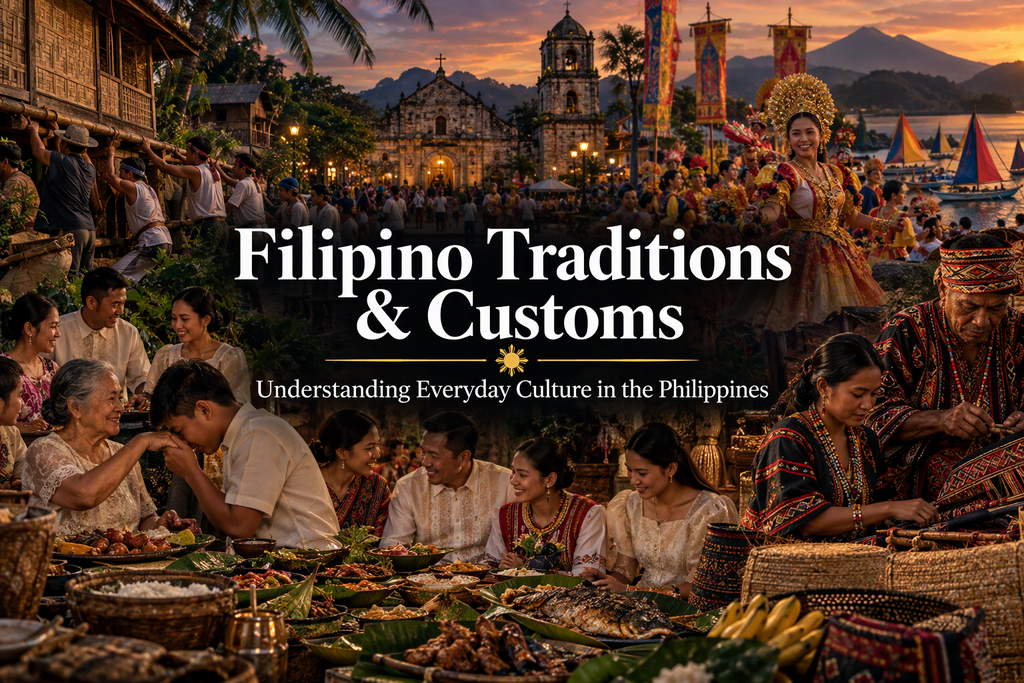
Discover the traditions, customs, values, and social practices that shape everyday life in the Philippines. Learn about Filipino hospitality, family culture, etiquette, celebrations, and the customs visitors should understand when traveling throughout the country.
Filipino Traditions & Customs: Understanding Everyday Culture in the Philippines
The Philippines is known not only for its beaches, islands, and natural attractions but also for its rich cultural heritage and warm, welcoming people. Filipino traditions and customs have developed over centuries through a blend of indigenous practices, Asian influences, Spanish colonial history, American influence, religious traditions, and local community values.
While each province, ethnic group, and region has its own unique customs, many traditions are shared throughout the archipelago. These everyday practices influence family life, social interactions, celebrations, community relationships, and hospitality.
Understanding Filipino customs helps visitors gain a deeper appreciation for local culture while also making travel experiences more meaningful and respectful.
This guide explores the most important Filipino traditions, cultural values, and social customs that continue to shape everyday life across the Philippines.
Quick Facts About Filipino Traditions & Customs
| Category | Information |
|---|---|
| Country | Philippines |
| Main Cultural Influences | Indigenous, Spanish, Chinese, American, Malay |
| Dominant Religion | Christianity |
| Core Cultural Value | Family |
| Famous Cultural Concept | Bayanihan |
| Common Greeting Tradition | Mano Po |
| Major Community Celebration | Fiesta |
Why Traditions Remain Important in Filipino Society
Traditions continue to play a significant role in daily Filipino life.
They help preserve:
- Family connections
- Community relationships
- Religious practices
- Cultural identity
- Respect for elders
- Historical heritage
Although modern lifestyles are changing some customs, many traditions remain deeply respected and widely practiced throughout both urban and rural communities.
Foundations of Filipino Culture
Family-Centered Society
Family sits at the heart of Filipino culture.
Unlike many Western societies that emphasize individual independence, Filipinos often place family needs above personal goals.
Family connections commonly include:
- Parents
- Children
- Grandparents
- Aunts and uncles
- Cousins
- Godparents (Ninong and Ninang)
Many families maintain close relationships even when relatives live overseas.
Why Family Matters
Family often provides:
- Emotional support
- Financial assistance
- Childcare
- Elder care
- Guidance and advice
Strong family ties are considered one of the defining characteristics of Philippine society.
Respect for Elders
Respect for older family members and community elders remains one of the most important Filipino values.
Children are often taught from a young age to:
- Use respectful language
- Show courtesy to older people
- Seek advice from elders
- Offer assistance when needed
Many decisions within families still involve consultation with parents and grandparents.
Bayanihan: The Spirit of Community
Bayanihan is one of the most admired Filipino cultural values.
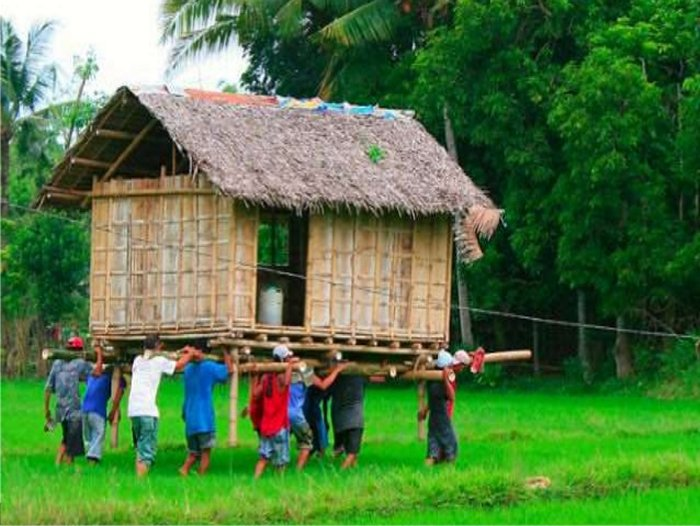
Originally associated with neighbors helping move an entire house, bayanihan now refers more broadly to community cooperation and collective support.
Examples include:
- Neighbors helping after disasters
- Community fundraising efforts
- Volunteer projects
- Supporting families during difficult times
- Local festivals and celebrations
Bayanihan represents the belief that communities become stronger when people work together.
by makecommoningwork.fed.wiki
Traditional Filipino Greetings
Mano Po
One of the best-known Filipino customs is Mano Po.
Younger people show respect by taking an elder’s hand and gently touching it to their forehead.
The gesture symbolizes:
- Respect
- Gratitude
- Seeking blessings
Although practiced less frequently in some urban areas, it remains common throughout many Filipino families.
Polite Language
Filipinos often use respectful words when speaking to older individuals.
Common examples include:
- Ate (older sister)
- Kuya (older brother)
- Tito (uncle)
- Tita (aunt)
- Lolo (grandfather)
- Lola (grandmother)
These terms are frequently used even when no actual family relationship exists.
Filipino Hospitality
Welcoming Guests
Hospitality is often considered one of the defining traits of Filipino culture.
Guests are frequently welcomed with:
- Food
- Drinks
- Conversation
- Invitations to join meals
Many Filipino households believe visitors should never leave hungry.
Sharing Meals
Food plays an important role in social relationships.
If you visit a Filipino home, it is common to hear:
“Kain tayo.” (Let’s eat.)
Even if the invitation is informal, offering food to guests reflects generosity and hospitality.
Filipino Festivals and Celebrations
Town Fiestas
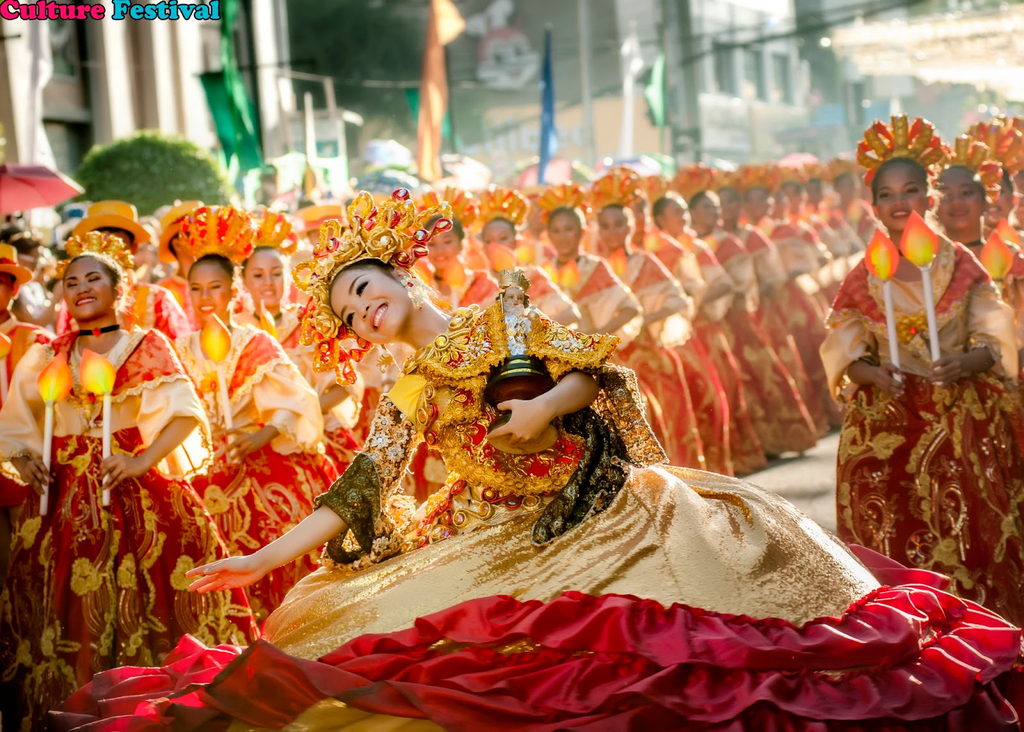
Fiestas remain among the most important community celebrations in the Philippines.
Many towns celebrate their patron saint through:
- Religious activities
- Street parades
- Cultural performances
- Community feasts
- Music and dancing
Fiestas often bring together residents, relatives, and visitors from surrounding areas.
Sinulog Festival by blogspot.com
Christmas Traditions
The Philippines is famous for having one of the longest Christmas seasons in the world.
Christmas traditions include:
- Simbang Gabi
- Christmas lanterns (Parol)
- Family gatherings
- Gift exchanges
- Noche Buena feasts
Christmas remains one of the most important annual celebrations in Filipino culture.
New Year Celebrations
Filipino New Year traditions often focus on attracting good fortune and prosperity.
Common customs include:
- Wearing polka dots
- Displaying round fruits
- Making noise at midnight
- Family celebrations
- Fireworks displays
Many traditions symbolize luck, wealth, and success for the coming year.
Religion and Daily Life
Religion strongly influences Filipino customs and traditions.
Many communities incorporate religious practices into everyday life.
Examples include:
- Sunday church attendance
- Religious processions
- Patron saint celebrations
- Prayer before meals
- Family devotions
Religious traditions remain important throughout much of the country.
Filipino Dining Customs
Eating Together
Meals are often considered family events rather than individual activities.
Many households prioritize:
- Shared dining
- Family conversations
- Group celebrations
Large family meals are common during holidays and special occasions.
Serving Guests First
Visitors are often offered food before hosts serve themselves.
This custom reflects:
- Respect
- Hospitality
- Generosity
Guests may receive the best portions as a sign of welcome.
Common Filipino Social Values
Pakikisama
Pakikisama refers to maintaining good relationships and getting along with others.
People often value:
- Cooperation
- Harmony
- Group unity
- Social stability
Avoiding unnecessary conflict is generally considered desirable.
Utang na Loob
Utang na Loob refers to a deep sense of gratitude and obligation toward those who have provided help or kindness.
This value encourages:
- Loyalty
- Reciprocity
- Appreciation
It plays an important role in many Filipino relationships.
Hiya
Hiya is often described as a sense of social awareness, dignity, or avoiding embarrassment.
The concept encourages people to:
- Behave respectfully
- Consider others’ feelings
- Maintain positive social relationships
It remains an important social value throughout the Philippines.
Traditional Filipino Homes and Family Life
While lifestyles vary across the country, many Filipino households continue to emphasize:
- Multi-generational living
- Regular family gatherings
- Shared responsibilities
- Strong kinship networks
Grandparents often play active roles in raising children, and extended families frequently maintain close contact.
Regional Differences in Filipino Customs
Although many traditions are shared nationally, regional variations exist throughout the archipelago.
| Region | Cultural Characteristics |
|---|---|
| Northern Luzon | Strong indigenous traditions and community customs |
| Central Luzon | Blend of agricultural and urban influences |
| Southern Luzon | Strong family and religious traditions |
| Visayas | Fiesta culture and community celebrations |
| Mindanao | Indigenous, Muslim, and multicultural influences |
These regional distinctions contribute to the diversity of Philippine culture.
Etiquette Tips for Visitors
Travelers can show respect by observing several common customs:
Do
- Be polite when greeting elders
- Accept food offerings graciously
- Dress appropriately at religious sites
- Show patience and courtesy
- Respect local traditions
Avoid
- Openly criticizing local customs
- Disrespecting religious practices
- Speaking rudely to elders
- Refusing hospitality without explanation
Understanding cultural norms often leads to warmer interactions and more meaningful travel experiences.
Common Filipino Customs Visitors May Notice
Removing Shoes
Many homes ask visitors to remove shoes before entering.
Bringing Gifts
Small gifts are often appreciated when visiting someone’s home.
Family Introductions
Visitors may quickly be introduced to numerous relatives during social gatherings.
Group Photos
Filipinos frequently enjoy taking photographs during celebrations and gatherings.
Community Celebrations
Festivals, birthdays, and family events often involve entire neighborhoods and extended families.
How Filipino Traditions Are Changing
Like cultures throughout the world, Filipino customs continue to evolve.
Modern influences include:
- Technology
- Social media
- Urbanization
- Overseas migration
- Global cultural trends
Despite these changes, values such as family, hospitality, respect, and community remain deeply rooted in Filipino society.
Key Takeaways
- Family is the foundation of Filipino culture.
- Respect for elders remains highly important.
- Bayanihan reflects community cooperation and mutual support.
- Hospitality is one of the most recognized Filipino traits.
- Fiestas remain major cultural celebrations throughout the country.
- Religion continues to influence many traditions and customs.
- Filipino culture emphasizes relationships, respect, and community.
- Regional variations contribute to the diversity of Philippine traditions.
Frequently Asked Questions About Filipino Traditions & Customs
What is the most important Filipino cultural value?
Family is often considered the most important cultural value in the Philippines.
What is Bayanihan?
Bayanihan is a tradition of community cooperation and helping others without expecting anything in return.
What does Mano Po mean?
Mano Po is a traditional gesture of respect where younger people touch an elder’s hand to their forehead.
Why are Filipinos known for hospitality?
Hospitality is deeply rooted in Filipino culture, with many families taking pride in welcoming and caring for guests.
What is a Filipino fiesta?
A fiesta is a community celebration often honoring a patron saint through religious events, food, music, and cultural activities.
Is religion important in Filipino culture?
Yes. Religion plays a major role in many traditions, celebrations, and daily practices throughout the Philippines.
Why are extended families so important?
Extended family networks provide emotional support, financial assistance, childcare, and social connections.
What should visitors know about Filipino etiquette?
Visitors should show respect, be polite to elders, appreciate hospitality, and remain open to local customs and traditions.
Explore More Philippine Culture Guides
Filipino Society & Culture
- Filipino Hospitality: Understanding the Spirit of Welcome
- Filipino Family Culture and Values
- Filipino Etiquette Guide for Travelers
- Everyday Life in the Philippines
Traditions & Celebrations
- Filipino Fiesta Traditions
- Christmas Traditions in the Philippines
- Filipino Wedding Traditions
- Philippine Festivals Guide
Culture & Heritage
- Filipino Values Explained
- Indigenous Peoples of the Philippines
- Regional Cultural Traditions Across the Philippines
- Religious Traditions in the Philippines
Conclusion
Filipino traditions and customs provide valuable insight into the culture, history, and identity of the Philippines. From the importance of family and respect for elders to the spirit of bayanihan and the country’s renowned hospitality, these practices continue to shape everyday life across the archipelago.
While modern influences continue to transform Philippine society, many traditional values remain deeply woven into daily interactions, celebrations, and community life. Understanding these customs allows visitors and residents alike to appreciate the rich cultural heritage that makes the Philippines one of Southeast Asia’s most welcoming and culturally diverse destinations.
Related Guides
Understanding Filipino Culture & Society
These guides explore the values, customs, and social traditions that shape everyday life in the Philippines.
- Filipino Culture Guide
- Filipino Hospitality: Understanding the Spirit of Welcome
- Filipino Family Culture and Values
- Filipino Customs Guide for Travelers
- Filipino Etiquette Guide for Travelers
- Filipino Values Explained
- Daily Life in the Philippines
Filipino Traditions & Celebrations
Discover how Filipinos celebrate important milestones, religious events, and community gatherings throughout the year.
- Filipino Fiesta Traditions Across the Philippines
- Christmas Traditions in the Philippines
- Filipino Wedding Traditions
- Filipino Festivals Travel Guide
- Religious Traditions in the Philippines
Regional Culture & Heritage
Learn how traditions differ across Luzon, Visayas, and Mindanao, and explore the diverse cultural heritage found throughout the archipelago.
- Regional Cultural Traditions Across the Philippines
- Indigenous Peoples of the Philippines
- Luzon Culture Guide
- Visayas Culture Guide
- Mindanao Culture Guide
Food, Family & Community Life
Many Filipino customs revolve around food, family gatherings, and shared community experiences.
- Regional Philippine Food Specialties
- Filipino Festival Foods Guide
- Philippine Pork Dishes Guide
- Philippine Chicken Dishes Guide
- Filipino Street Food Guide
Plan a Cultural Trip to the Philippines
For travelers who want to experience Filipino traditions firsthand.
- Island Travel Guide
- Best Festivals in the Philippines
- Heritage Towns in the Philippines
- Historic Churches in the Philippines
- Cultural Tourism in the Philippines