Introduction
The Philippines is one of the world’s most biodiverse countries and a premier destination for wildlife tourism in Southeast Asia. From swimming alongside whale sharks and sea turtles to observing Philippine tarsiers, eagles, dolphins, and dugongs, the country offers opportunities to experience wildlife across marine, coastal, forest, wetland, and mountain ecosystems.
As part of the Coral Triangle and one of the world’s biodiversity hotspots, the Philippines is home to thousands of species found nowhere else on Earth. Wildlife tourism allows travelers to explore these unique ecosystems while supporting conservation and sustainable tourism initiatives.
Wildlife Tourism in the Philippines at a Glance
| Wildlife Experience | Best Destinations | Best For |
|---|---|---|
| Whale Sharks | Oslob, Donsol | Marine Wildlife Encounters |
| Sea Turtles | Apo Island, Balicasag, Tubbataha | Snorkeling & Diving |
| Philippine Tarsiers | Bohol | Endemic Wildlife |
| Philippine Eagles | Southeastern Mindanao | Birdwatching & Conservation |
| Dolphins | Bohol, Palawan, Mindoro | Marine Wildlife Tours |
| Dugongs | Coron, Busuanga | Rare Marine Mammals |
| Fireflies | Bohol, Puerto Princesa, Davao | Family Nature Experiences |
| Birdwatching | Palawan, Sierra Madre, Mindanao | Wildlife Photography |
| Marine Sanctuaries | Apo Reef, Tubbataha | Diving & Ecotourism |
Wildlife Tourism Quick Facts
| Category | Destination |
|---|---|
| Best Overall Wildlife Destination | Palawan |
| Best Marine Wildlife Destination | Palawan |
| Best Whale Shark Tourism | Oslob & Donsol |
| Best Endemic Wildlife Destination | Bohol |
| Best Birdwatching Destination | Palawan |
| Best Philippine Eagle Destination | Southeastern Mindanao |
| Best Family Wildlife Destination | Bohol |
Why Visit the Philippines for Wildlife Tourism?
Wildlife Tourism Highlights
- Exceptional marine biodiversity
- Endemic wildlife found nowhere else on Earth
- Whale shark and sea turtle encounters
- Philippine eagle and tarsier conservation sites
- World-class diving and snorkeling locations
- Important birdwatching destinations
- National parks and protected areas
- Sustainable ecotourism opportunities
Wildlife Tourism Comparison Chart
| Experience | Difficulty | Family Friendly | Best For |
|---|---|---|---|
| Whale Sharks | Easy | ✅ | Marine Wildlife |
| Sea Turtles | Easy | ✅ | Snorkeling |
| Dolphins | Easy | ✅ | Families |
| Tarsiers | Easy | ✅ | Endemic Wildlife |
| Birdwatching | Moderate | ✅ | Wildlife Photography |
| Philippine Eagles | Moderate | ✅ | Conservation Tourism |
| Dugongs | Moderate | ✅ | Rare Wildlife |
| Jungle Wildlife Trekking | Moderate to High | ⚠️ | Adventure Travelers |
Chart Legend
Notes:
- ✅ = Generally suitable for most visitors, including families with children.
- ⚠️ = Use caution. Activities may involve boats, open water, wildlife encounters, hiking, remote locations, slippery terrain, or environmental conditions requiring additional awareness and preparation.
- ❌ = Not generally recommended for young children, inexperienced travelers, or visitors uncomfortable with the activity requirements.
Wildlife Activity Difficulty Guide
- Easy = Suitable for most visitors with minimal physical activity.
- Moderate = May require short hikes, boat transfers, snorkeling, or extended outdoor activity.
- High = May involve challenging hikes, remote locations, advanced diving, or specialized wildlife excursions.
Wildlife Viewing Notes
- Wildlife sightings are never guaranteed.
- Species activity varies by season and weather.
- Always follow guide and conservation regulations.
- Never feed, touch, or disturb wildlife.
Featured Wildlife Experiences
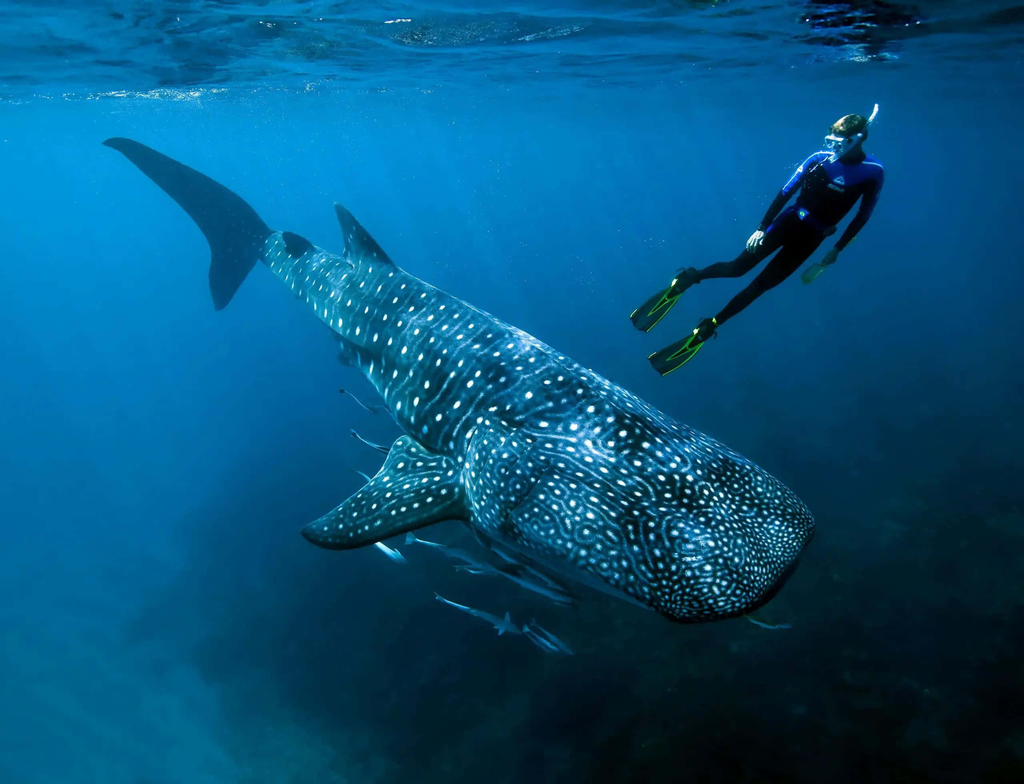
Whale Shark Tourism
by wallpapers.com
Best For: Marine wildlife encounters and snorkeling experiences.
Why Visit: Whale shark tourism is among the Philippines’ most iconic wildlife experiences. Destinations such as Oslob and Donsol attract travelers from around the world hoping to encounter the world’s largest fish while supporting conservation-focused tourism efforts.
Related Guides:
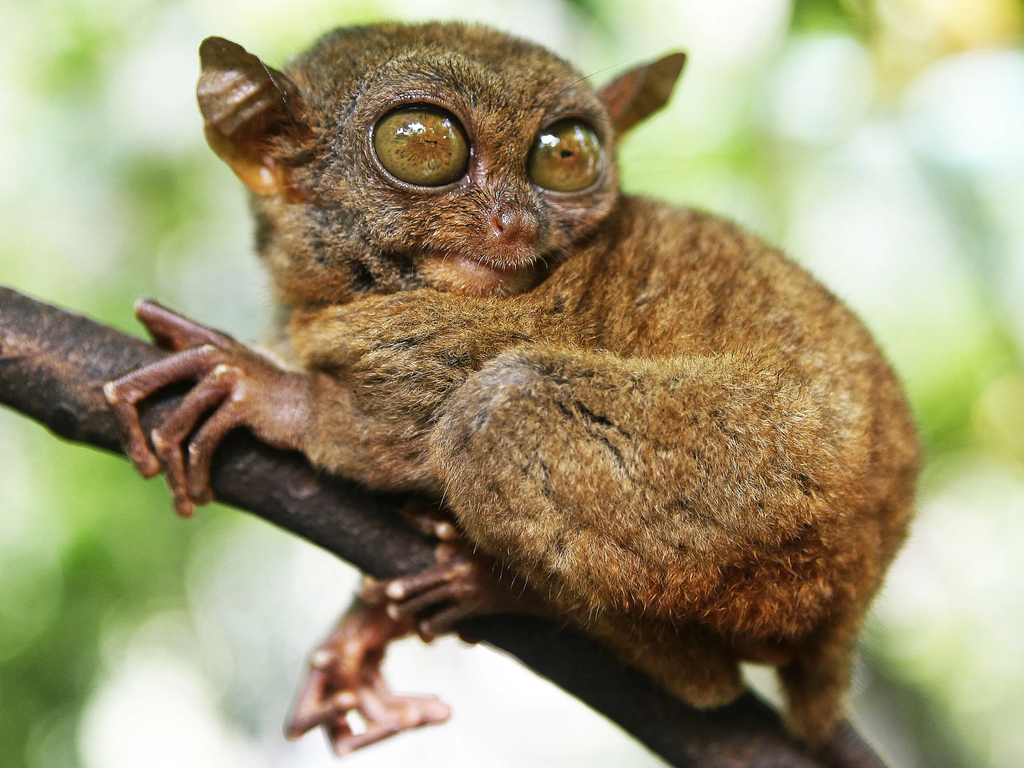
Philippine Tarsier
by wired.com
Best For: Endemic wildlife viewing.
Why Visit: The Philippine tarsier is one of the country’s most recognizable animals. Visitors can observe these small primates in protected sanctuaries while learning about conservation efforts designed to preserve their natural habitat.
Related Guides:
- Bohol Travel Guide
- Wildlife Sanctuaries in the Philippines
- Ecotourism in the Philippines
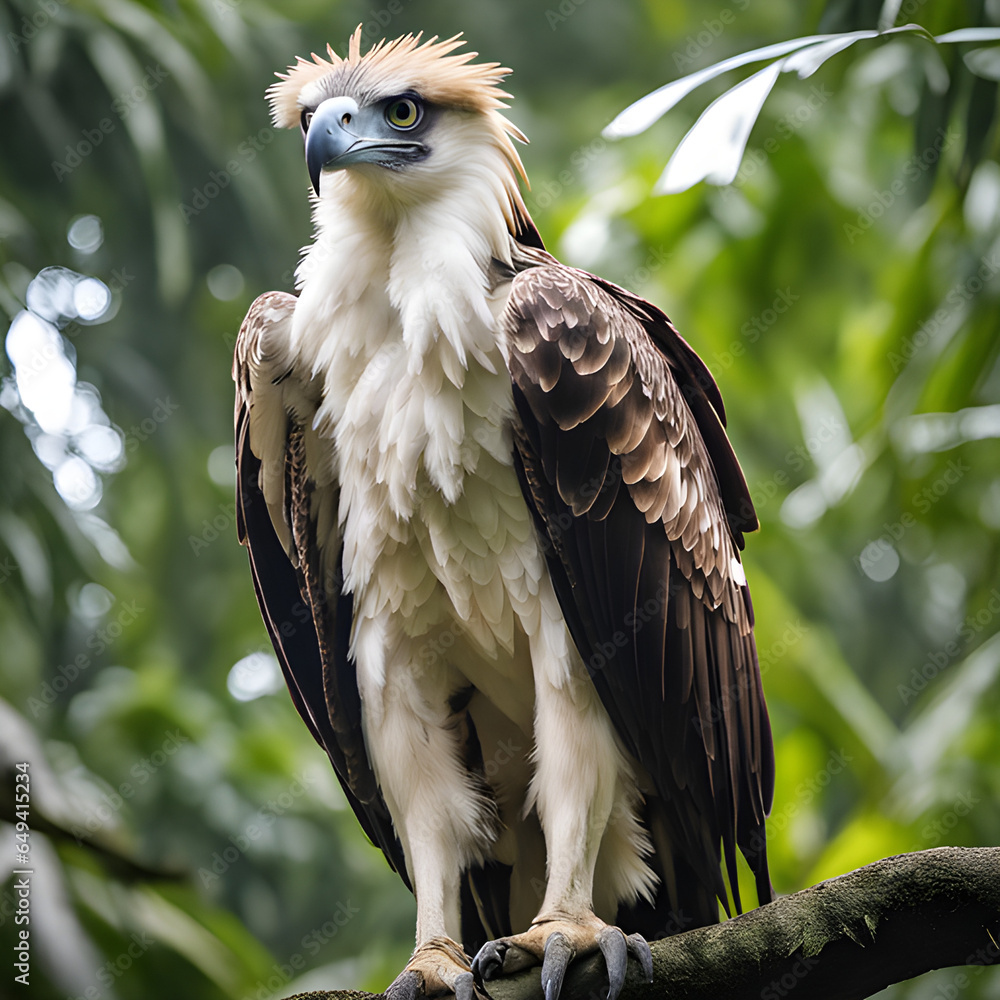
Philippine Eagle
stock.adobe.com
Best For: Birdwatchers, wildlife photographers, and conservation travelers.
Why Visit: The Philippine eagle is one of the world’s largest and rarest birds of prey. Visiting conservation facilities and forest habitats in Southeastern Mindanao provides insight into one of the country’s most important wildlife conservation efforts.
Related Guides:
- Philippine Eagle Guide
- Endangered Species of the Philippines
- Southeastern Mindanao Destinations
- Wildlife Sanctuaries in the Philippines
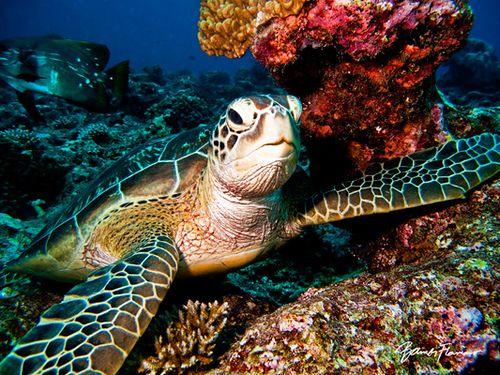
Sea Turtle Tourism
by pinterst.ph
Best For: Snorkelers, divers, and family-friendly wildlife encounters.
Why Visit: Sea turtles can be encountered throughout the Philippines, particularly in marine protected areas such as Apo Island, Balicasag Island, and Tubbataha Reefs. These encounters are among the country’s most accessible wildlife experiences.
Related Guides:
- Sea Turtle Tourism in the Philippines
- Apo Island Guide
- Balicasag Island Guide
Top Wildlife Destinations in the Philippines
Palawan
Known for dugongs, dolphins, sea turtles, mangrove ecosystems, and marine protected areas.
Bohol
Home to Philippine tarsiers, dolphin-watching tours, sea turtles, and family-friendly ecotourism experiences.
Cebu
Known for whale shark tourism, sea turtle encounters, and marine wildlife experiences.
Southeastern Mindanao
Important destination for Philippine eagle conservation and forest wildlife.
Mindoro
Home to the endemic tamaraw and several major protected areas.
Sierra Madre Mountains
One of the country’s largest forest ecosystems and a hotspot for birdwatching and biodiversity.
Ethical Wildlife Tourism
Responsible wildlife tourism helps protect habitats, support conservation efforts, and provide sustainable income for local communities.
Wildlife Viewing Guidelines
- Observe wildlife from a respectful distance.
- Never feed wild animals.
- Follow local regulations and guide instructions.
- Use accredited operators whenever possible.
- Avoid activities that stress wildlife.
- Support conservation-focused destinations and organizations.
Planning a Wildlife Tourism Trip
Best for Marine Wildlife
- Palawan
- Cebu
- Bohol
- Sorsogon
Best for Endemic Wildlife
- Bohol
- Mindoro
- Mindanao
Best for Birdwatching
- Palawan
- Sierra Madre Mountains
- Mindanao
Best for Families
- Bohol
- Cebu
- Palawan
Related Guides
Nature & Ecotourism Guides
- Nature Destinations in the Philippines
- Ecotourism in the Philippines
- Protected Areas of the Philippines
- National Parks of the Philippines
- Wildlife Sanctuaries in the Philippines
Wildlife Tourism Guides
- Whale Shark Tourism in the Philippines
- Sea Turtle Tourism in the Philippines
- Marine Wildlife Tourism in the Philippines
- Birdwatching in the Philippines
- Dolphin Watching in the Philippines
- Dugong Tourism in the Philippines
- Philippine Eagle Guide
- Endemic Wildlife of the Philippines
- Wildlife Photography in the Philippines
- Best Wildlife Experiences in the Philippines
Destination Wildlife Guides
Palawan Wildlife Experiences
Bohol Wildlife Experiences
- Bohol Travel Guide
- Balicasag Island Guide
- Tarsier Sanctuaries Guide
Cebu Wildlife Experiences
Mindanao Wildlife Experiences
- Southeastern Mindanao Destinations
- Philippine Eagle Center Guide
Mindoro Wildlife Experiences
- Mindoro Island Travel Guide
- Tamaraw Conservation Areas
- Mounts Iglit-Baco Natural Park Guide
Conclusion
Wildlife tourism in the Philippines provides travelers with opportunities to experience some of Southeast Asia’s most remarkable biodiversity. From swimming alongside whale sharks and sea turtles to observing Philippine tarsiers, eagles, dolphins, dugongs, and other endemic species, the country offers wildlife encounters across marine, forest, mountain, and island ecosystems. Combined with growing conservation awareness and ecotourism initiatives, the Philippines remains one of Asia’s premier destinations for responsible and nature-focused wildlife travel.