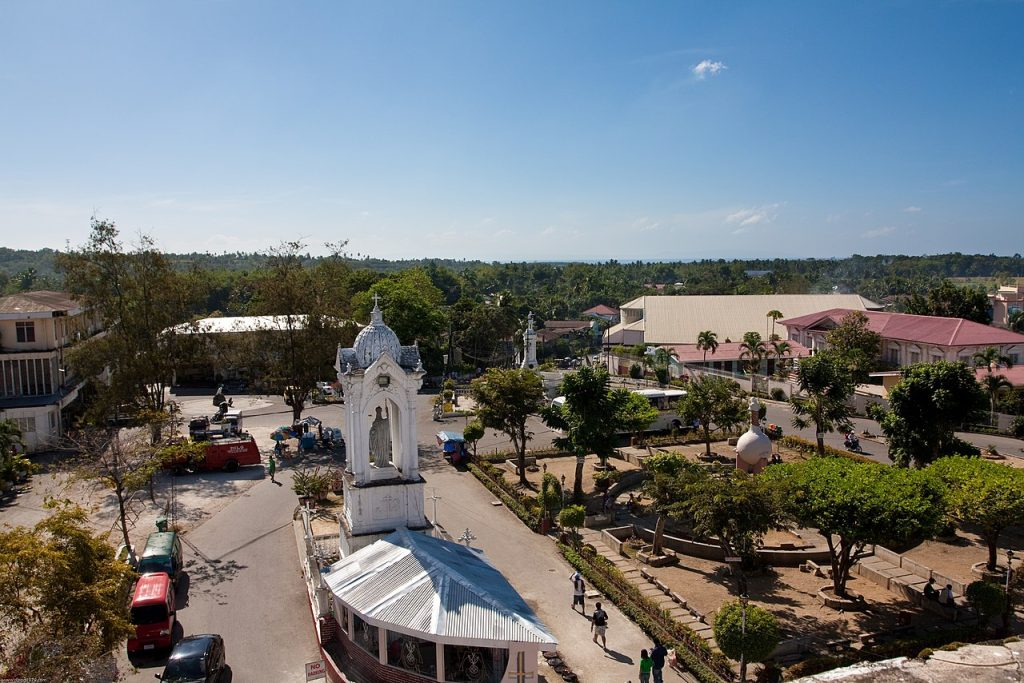
Carcar Old Town Plaza as seen from the bell tower of St. Catherine of Alexandria Church by dbgg1979
Carcar City is one of the Philippines’ most underrated heritage destinations and one of the finest examples of a preserved Spanish-era town in the Visayas. Located in southern Cebu, Carcar is known for its historic churches, elegant ancestral homes, traditional public market, local crafts, and legendary food culture.
Often overshadowed by Cebu City’s urban attractions and the island’s famous beaches, Carcar offers travelers a chance to experience a different side of Cebu. The city preserves many elements of Filipino heritage while remaining a vibrant community where traditions continue to thrive.
For visitors interested in architecture, history, culture, and authentic Cebuano cuisine, Carcar ranks among the most rewarding cultural destinations in Central Visayas.
Carcar Heritage City at a Glance
| Feature | Details |
|---|---|
| Province | Cebu |
| Region | Central Visayas |
| Known For | Heritage District, Lechon, Ancestral Houses |
| Travel Style | Culture, Food, Heritage & History |
| Ideal Stay | Full Day to 2 Days |
| Distance from Cebu City | Approximately 40 km |
| Travel Time from Cebu City | 1-2 Hours |
| Best For | Food Lovers, Cultural Travelers, Families, Photographers |
| Historic Character | Spanish Colonial & Cebuano Heritage |
Why Visit Carcar City?
Carcar successfully combines cultural heritage and culinary traditions into a destination that feels both historic and authentic.
Visitors come to Carcar to:
- Explore heritage buildings
- Visit historic churches
- Experience local culture
- Try famous Cebu lechon
- Shop for local products
- Walk through the heritage district
- Discover traditional crafts
- Learn about Cebuano history
Unlike many historic destinations that focus primarily on architecture, Carcar delivers a complete cultural experience where food and heritage are equally important attractions.
What Makes Carcar Special?
One of Cebu’s Best-Preserved Heritage Cities
Carcar contains one of the most significant collections of heritage structures in Cebu Province. Many buildings dating from the Spanish and American periods remain standing and continue to serve their original purpose.
A Culinary Capital of Cebu
For many Filipinos, Carcar is synonymous with lechon.
The city has developed a reputation as one of the best places in Cebu to enjoy traditional roasted pig and other regional specialties.
Living Cebuano Culture
Carcar remains a working city rather than an open-air museum. Its public market, churches, schools, and businesses help preserve local traditions while supporting community life.
A Brief History of Carcar
Originally known as Sialo, Carcar began as a small coastal settlement and gradually grew into one of southern Cebu’s most important trading, religious, and cultural centers. Established in 1599, the town prospered under Spanish colonial rule and developed many of the architectural and cultural traditions that remain visible today.
The city’s historic district reflects centuries of Cebuano heritage, blending Spanish and American influences with local craftsmanship and community traditions. Although Carcar officially became a component city in 2007, its greatest appeal remains its rich history, preserved architecture, and enduring cultural identity.
Top Attractions in Carcar City
St. Catherine of Alexandria Church
Commonly known as Carcar Church, this historic structure is the city’s most recognizable landmark.
Built during the Spanish colonial period, the church remains the spiritual center of the community and an important stop on many heritage tours.
Highlights
- Historic architecture
- Religious significance
- Beautiful façade
- Heritage district location
Carcar Heritage District
The city’s historic core contains many of Carcar’s most important landmarks.
A walk through the district reveals:
- Colonial-era architecture
- Government buildings
- Heritage houses
- Traditional town planning
- Historic streets
The area is best explored on foot.
Notable Heritage Houses
Carcar’s heritage district contains several ancestral homes that showcase the prosperity and architectural traditions of Cebu during the Spanish and American periods. Together, these residences help establish Carcar as one of the Philippines’ most significant heritage destinations.
Balay na Tisa
Among Carcar’s most distinctive heritage structures, Balay na Tisa is known for its unique brick construction and stands as an excellent example of traditional Cebuano architecture.
Yap House
The Yap House represents the elegance and craftsmanship associated with Carcar’s heritage era and provides a glimpse into the lifestyle of prominent local families.
Silva House
The Silva House remains an important part of the city’s architectural legacy and contributes to the historic character of Carcar’s well-preserved heritage district.
Carcar Rotunda
The Carcar Rotunda has become one of the city’s most recognizable gathering places and serves as a convenient starting point for visitors exploring the heritage district.
Mercado Mansion
One of Carcar’s most beautiful surviving ancestral homes, the Mercado Mansion showcases the elegance and craftsmanship typical of wealthy Cebuano families during the colonial era.
Its architectural details make it one of the highlights of the city.
Carcar City Museum
Visitors interested in learning more about local history and culture should spend time exploring the museum’s exhibits and collections.
Topics often include:
- Cebuano history
- Local traditions
- Historical artifacts
- Cultural heritage
Experience Carcar’s Living Culture
Walk Through Historic Streets
The heritage district remains one of the best-preserved urban areas in southern Cebu.
Exploring on foot allows visitors to appreciate architectural details often overlooked from a vehicle.
Visit the Public Market
Carcar’s public market is famous throughout Cebu for its local products and food specialties.
It remains one of the best places to experience everyday local life.
Discover Traditional Crafts
The city is known for local craftsmanship, including traditional footwear, handmade products, and other regional specialties.
Food & Dining in Carcar
Food is one of the biggest reasons people visit Carcar.
Carcar Lechon
The city’s most famous culinary attraction.
Many visitors specifically travel to Carcar to enjoy its version of Cebu lechon, considered by many among the best in the province.
Chicharon
Carcar is widely known for producing some of Cebu’s most famous chicharon.
Freshly prepared chicharon is one of the city’s most sought-after souvenirs.
Ampao
This traditional puffed rice snack remains a local favorite and makes an excellent take-home delicacy.
Cebuano Cuisine
Other local favorites include:
- Puso (hanging rice)
- Native kakanin
- Local pastries
- Traditional Cebuano dishes
Carcar vs Other Philippine Heritage Destinations
| Feature | Carcar | Vigan | Taal | Silay |
|---|---|---|---|---|
| Heritage Houses | ★★★★☆ | ★★★★★ | ★★★★★ | ★★★★★ |
| Historic District | ★★★★☆ | ★★★★★ | ★★★★☆ | ★★★★☆ |
| Food Scene | ★★★★★ | ★★★★★ | ★★★★☆ | ★★★★★ |
| Walkability | ★★★★☆ | ★★★★★ | ★★★★★ | ★★★★☆ |
| Architecture | ★★★★☆ | ★★★★★ | ★★★★★ | ★★★★★ |
| Ideal Stay | 1-2 Days | 2-3 Days | 1-2 Days | 1-2 Days |
| Best For | Heritage & Food | Heritage Town Experience | Ancestral Houses | Sugar-Era Heritage |
Quick Winner
Choose Carcar if you want to combine heritage sightseeing with some of the best food experiences in Cebu.
How Far Is Carcar from Cebu City?
| Origin | Travel Time |
|---|---|
| Cebu City | 1-2 Hours |
| Mactan-Cebu International Airport | 1.5-2.5 Hours |
| Oslob | 2-3 Hours |
| Moalboal | 1-2 Hours |
Its location along Cebu’s southern route makes it easy to include in larger island itineraries.
How Long Should You Stay?
| Stay Length | Recommendation |
|---|---|
| Half Day | Possible but rushed |
| Full Day | Recommended Minimum |
| 1 Night / 2 Days | Ideal |
| 2 Nights | Best for deeper exploration |
Most travelers can comfortably experience the highlights in a full day, but food enthusiasts and cultural travelers will appreciate the extra time provided by an overnight stay.
Best Heritage Experiences in Carcar
| Experience | Priority |
|---|---|
| Visit St. Catherine of Alexandria Church | Must Do |
| Explore the Heritage District | Must Do |
| Try Carcar Lechon | Must Do |
| Sample Fresh Chicharon | Must Do |
| Visit Mercado Mansion | Recommended |
| Explore the Public Market | Recommended |
| Photograph Heritage Architecture | Essential |
| Buy Local Delicacies | Essential |
Where to Stay
Stay in Carcar
A limited but growing selection of accommodations allows visitors to spend more time exploring the city’s heritage attractions and food scene.
Stay in Cebu City
Many travelers choose to visit Carcar as a day trip from Cebu City.
Combine with South Cebu
Carcar works well as part of larger itineraries that include:
- Moalboal
- Oslob
- Simala Shrine
- Southern Cebu attractions
Suggested 2-Day Carcar Itinerary
Day 1
- St. Catherine of Alexandria Church
- Heritage District walking tour
- Mercado Mansion
- Local dining
- Evening exploration
Day 2
- Public Market
- Chicharon shopping
- Food trip
- Museum visit
- Cultural attractions
Best Time to Visit
The dry season from November to May generally provides the most comfortable conditions for walking tours and heritage exploration.
Morning visits are especially enjoyable for those planning to explore both the market and heritage district.
Is Carcar City Worth Visiting?
Absolutely.
Carcar offers a heritage experience that is uniquely Cebuano. Its historic architecture, preserved traditions, local markets, and outstanding food culture combine to create a destination that feels authentic and welcoming.
While Vigan, Taal, and Intramuros may receive more attention, Carcar deserves recognition as one of the Philippines’ premier heritage destinations and one of the most rewarding stops for travelers exploring Cebu.
Related Guides
- Heritage Towns of the Philippines
- Vigan City Travel Guide
- Taal Heritage Town Travel Guide
- Intramuros Travel Guide
- Silay City Travel Guide
- Cebu Island Travel Guide
- South Cebu Travel Guide
- Food Culture Guide
- Historic Churches of the Philippines
- Philippine UNESCO World Heritage Sites
- Cultural Tourism in the Philippines