Philippine Wildlife & Biodiversity Guide – Endemic Species, Protected Areas & Ethical Tourism
A comprehensive guide to Philippine wildlife and biodiversity. Learn about endemic species, top protected areas, conservation laws, and ethical wildlife tourism practices across the archipelago.
Philippine Wildlife & Biodiversity Guide
A Complete Resource on Endemic Species, Protected Areas, Conservation Rules & Ethical Wildlife Tourism
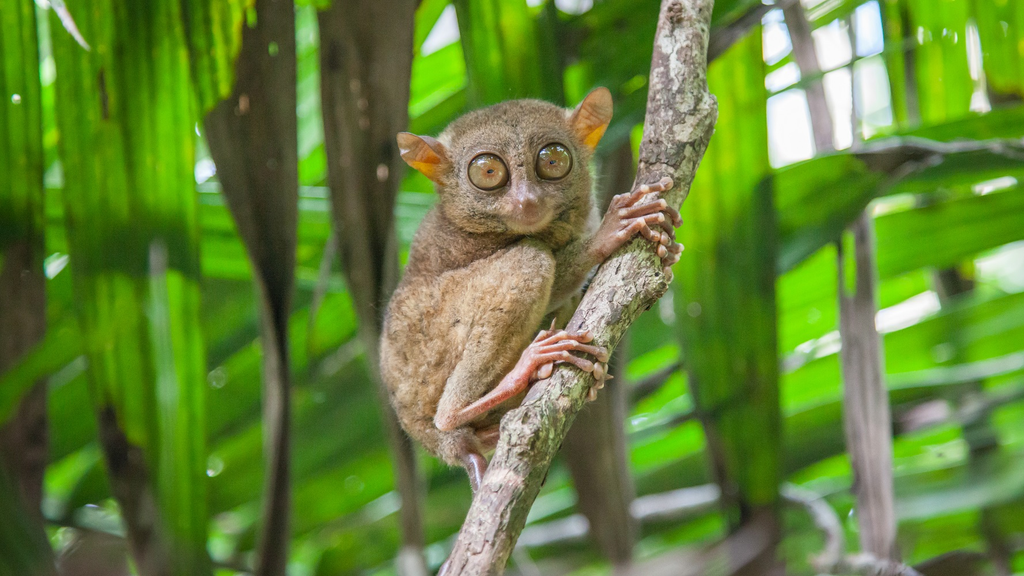

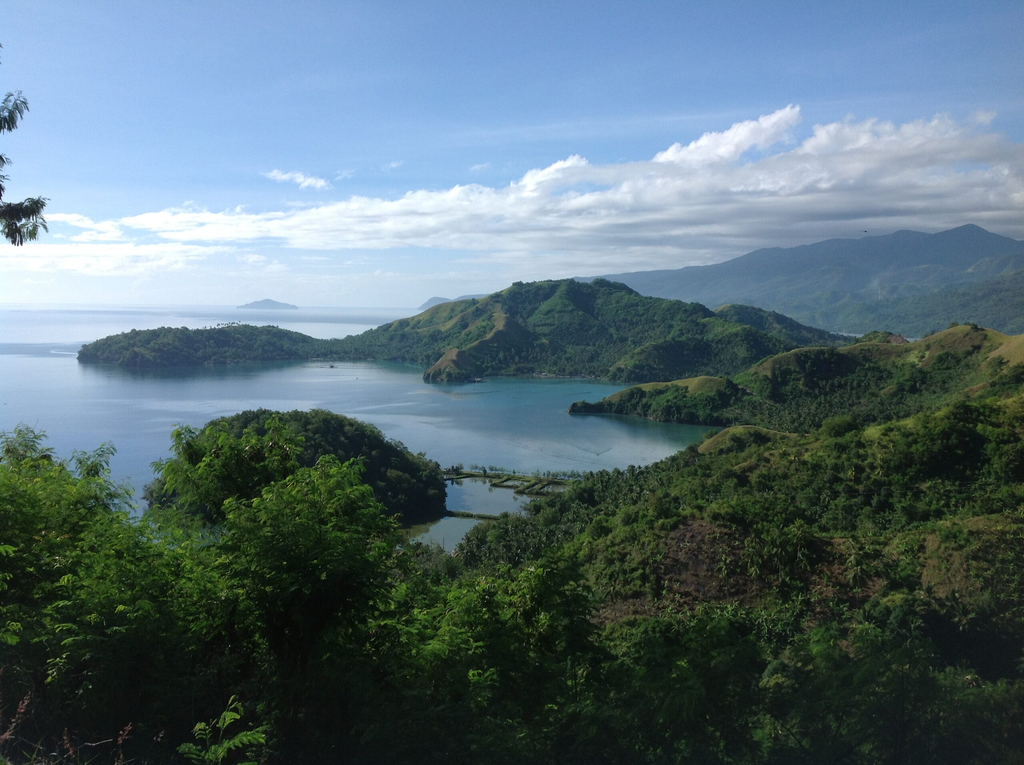
pictures by aseanbiodiversity.org, wetravelphilippines.com, and neprimateconservancy.org
The Philippines is one of the world’s most important biodiversity hotspots, home to thousands of species found nowhere else on Earth. Its unique geography—7,641 islands, isolated mountain ranges, tropical rainforests, coral reefs, and deep-sea trenches—creates extraordinary ecological diversity. This guide explores the country’s endemic wildlife, major protected areas, conservation laws, and how travelers can engage in ethical wildlife tourism.
Philippine Biodiversity Overview
The Philippines ranks among the 17 megadiverse countries globally, containing over 52,000 species, with more than half endemic. Its ecosystems range from mossy cloud forests to mangrove wetlands and coral reefs, each supporting distinct wildlife communities.
Why the Philippines Is a Biodiversity Hotspot
- High endemism — Many species evolved in isolation due to island fragmentation.
- Rich ecosystems — Forests, reefs, wetlands, and mountains host diverse flora and fauna.
- Critical conservation status — Habitat loss, climate change, and illegal wildlife trade threaten many species.
Key Ecosystems Supporting Wildlife
- Lowland Dipterocarp Forests
- Montane & Mossy Forests
- Mangrove Wetlands
- Seagrass Beds & Coral Reefs
- Freshwater Rivers & Lakes
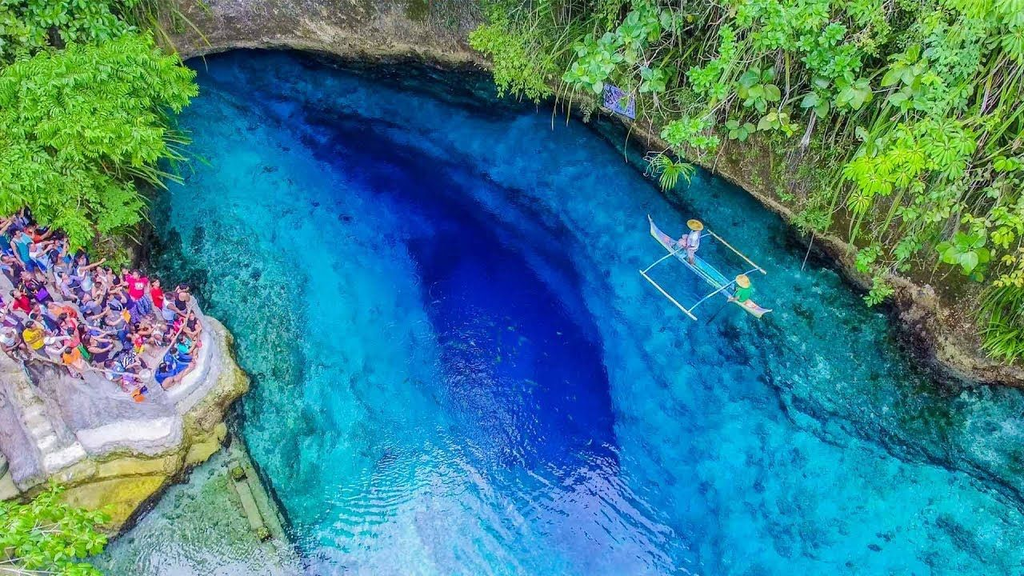
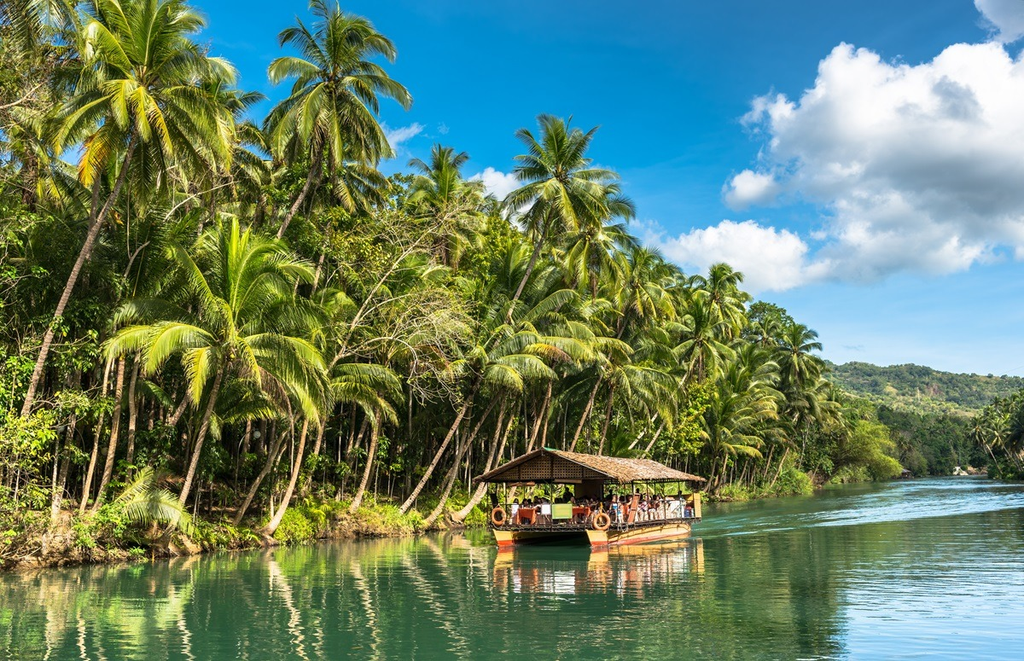
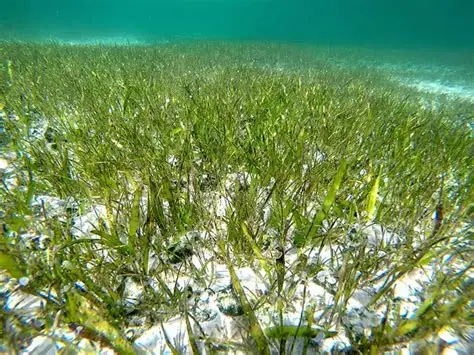
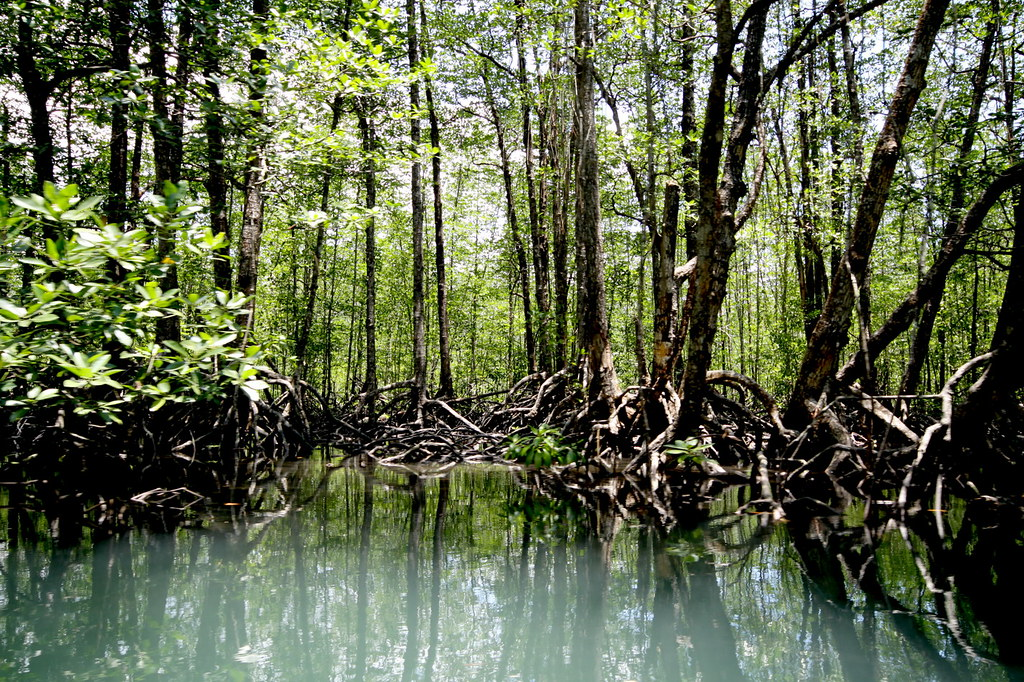
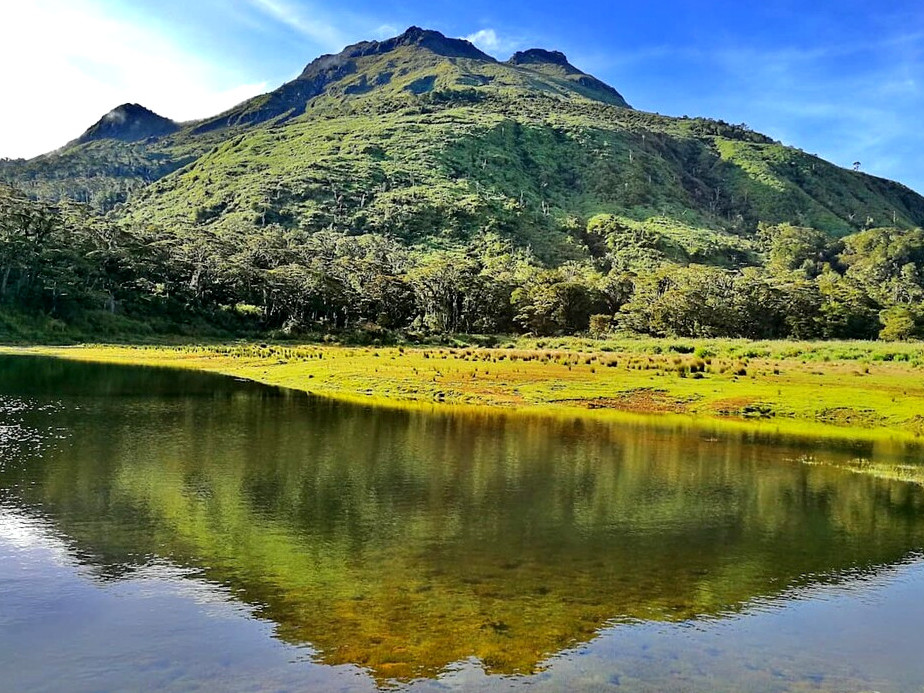
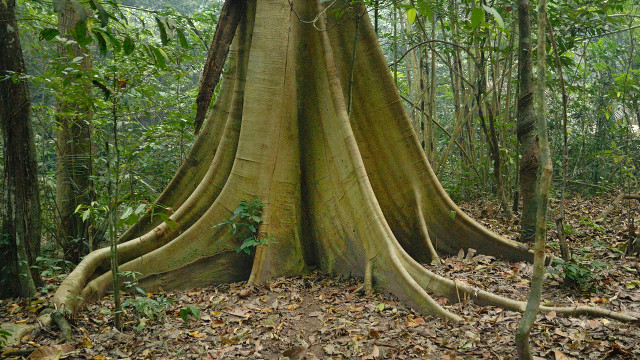
Pictures by istammtisch.de, flickriver.com, dugongseagrass.org, mountains.com, and rappler.com
Endemic Wildlife of the Philippines
The archipelago hosts some of the world’s rarest and most charismatic species. Below is a structured overview of major endemic groups.
H3: Endemic Mammals
- Tamaraw — A critically endangered dwarf buffalo found only in Mindoro’s grasslands.
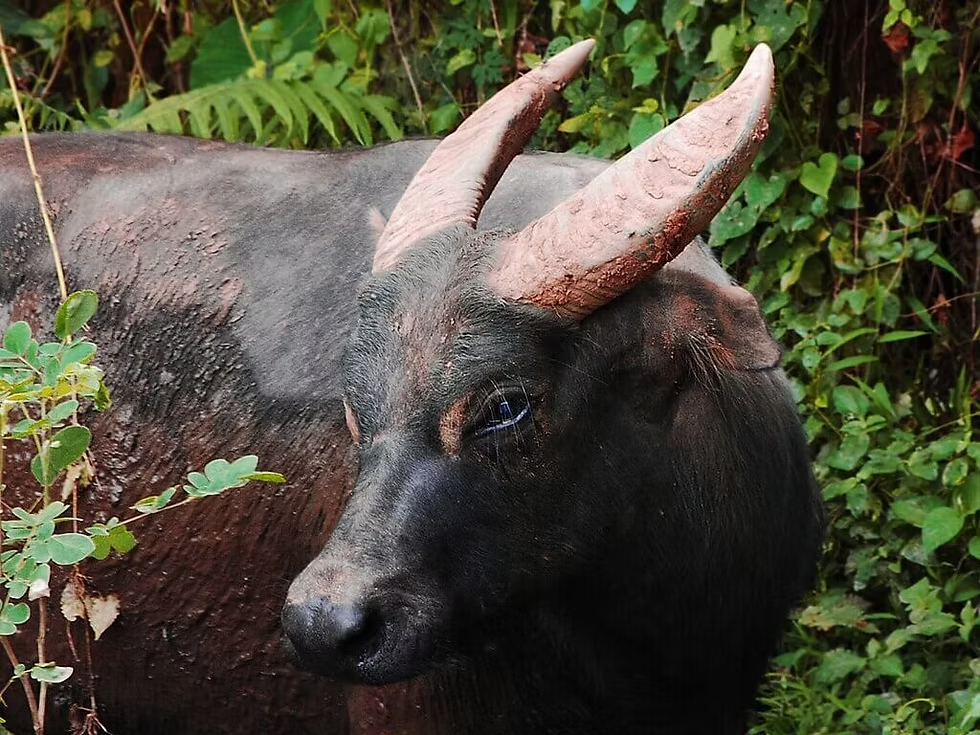
by kgmreresorts.com
- Philippine Tarsier — One of the world’s smallest primates, native to Bohol, Leyte, and Mindanao.
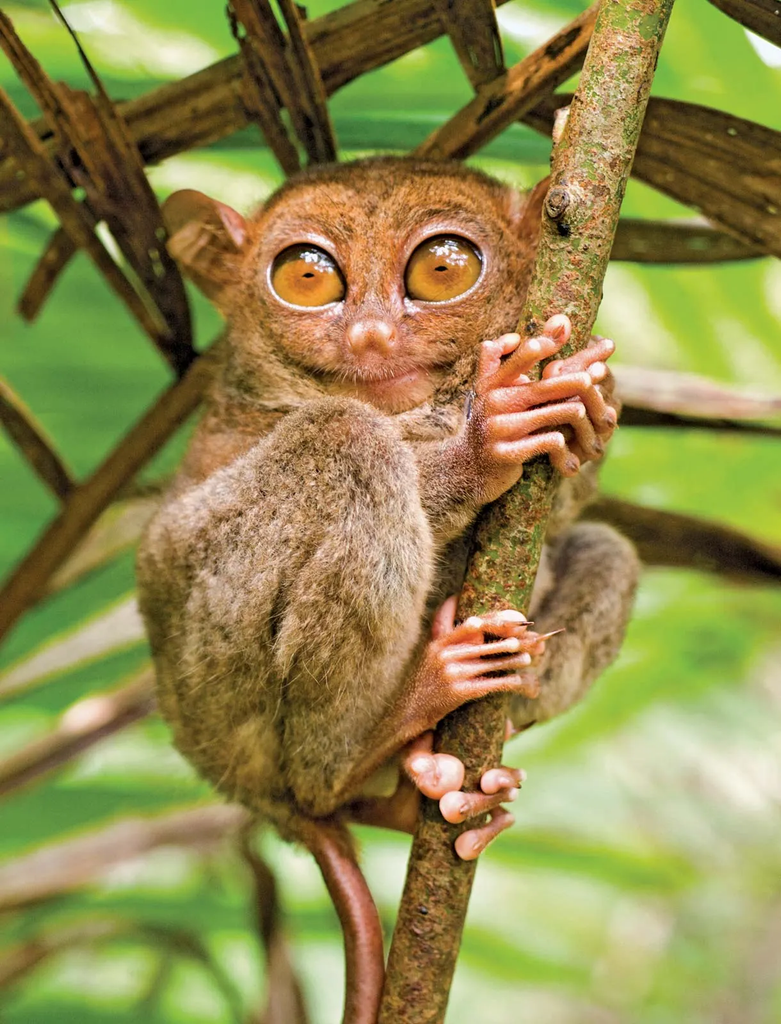
by britainica.com
- Philippine Warty Pig — A forest-dwelling pig species with distinctive facial warts.
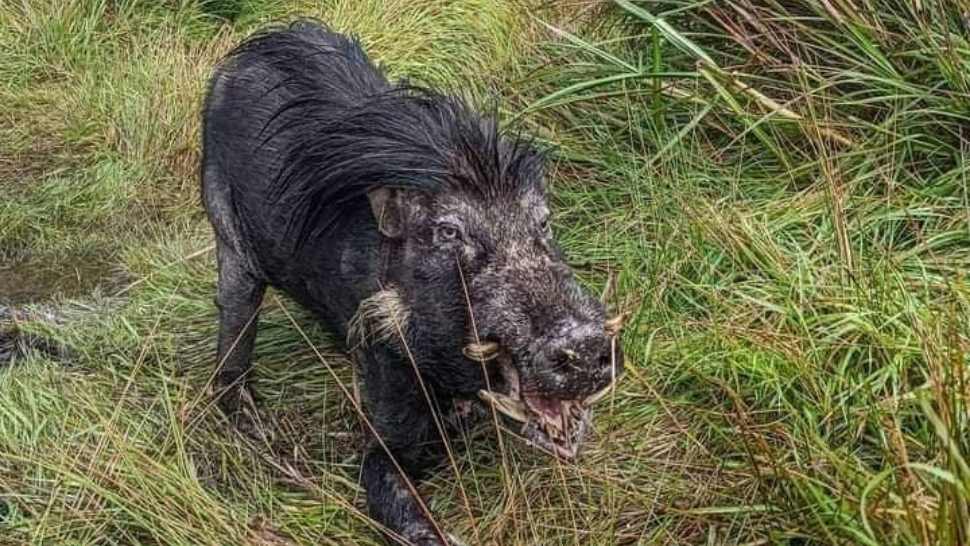
by positivelyfilipino.com
- Philippine Deer — Found in Luzon, Mindanao, and Visayas forests.
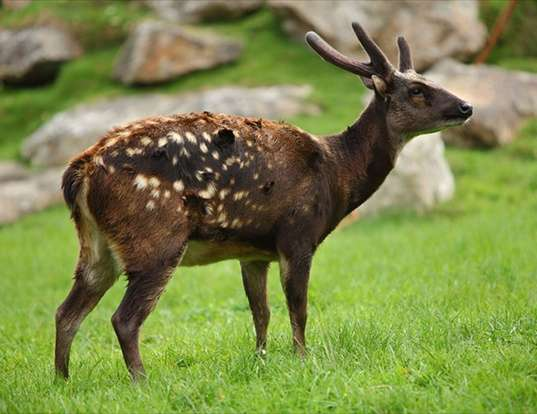
byworldlifeexpectancy.com
Endemic Birds
- Philippine Eagle — The national bird and one of the world’s largest eagles.
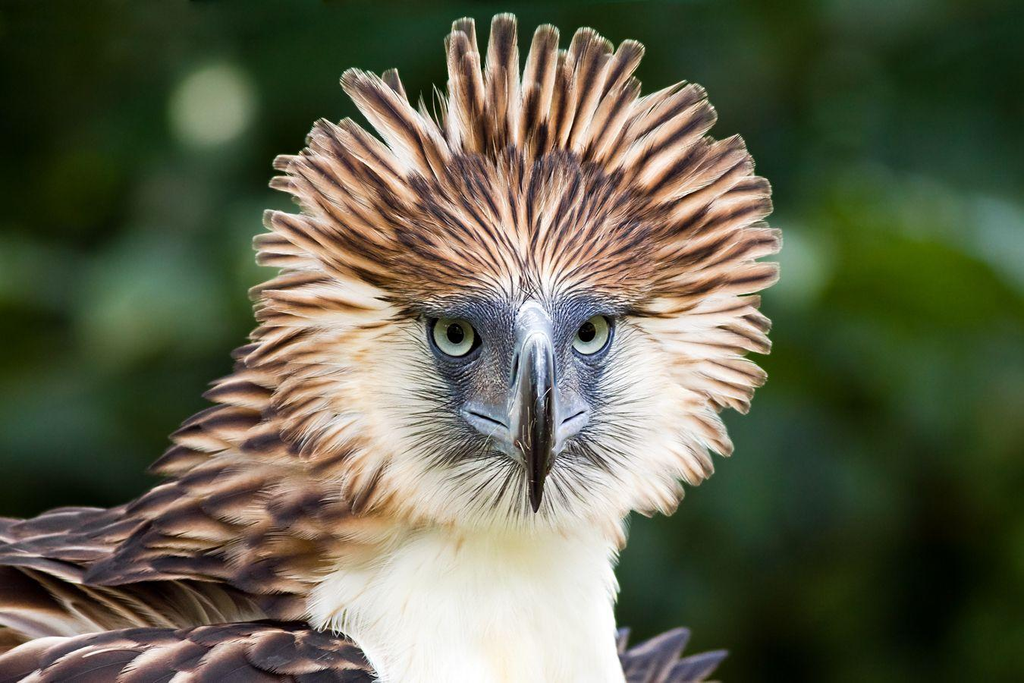
by wallpaperaccess.com
- Luzon Bleeding-heart Dove — Known for its red chest marking resembling a wound.
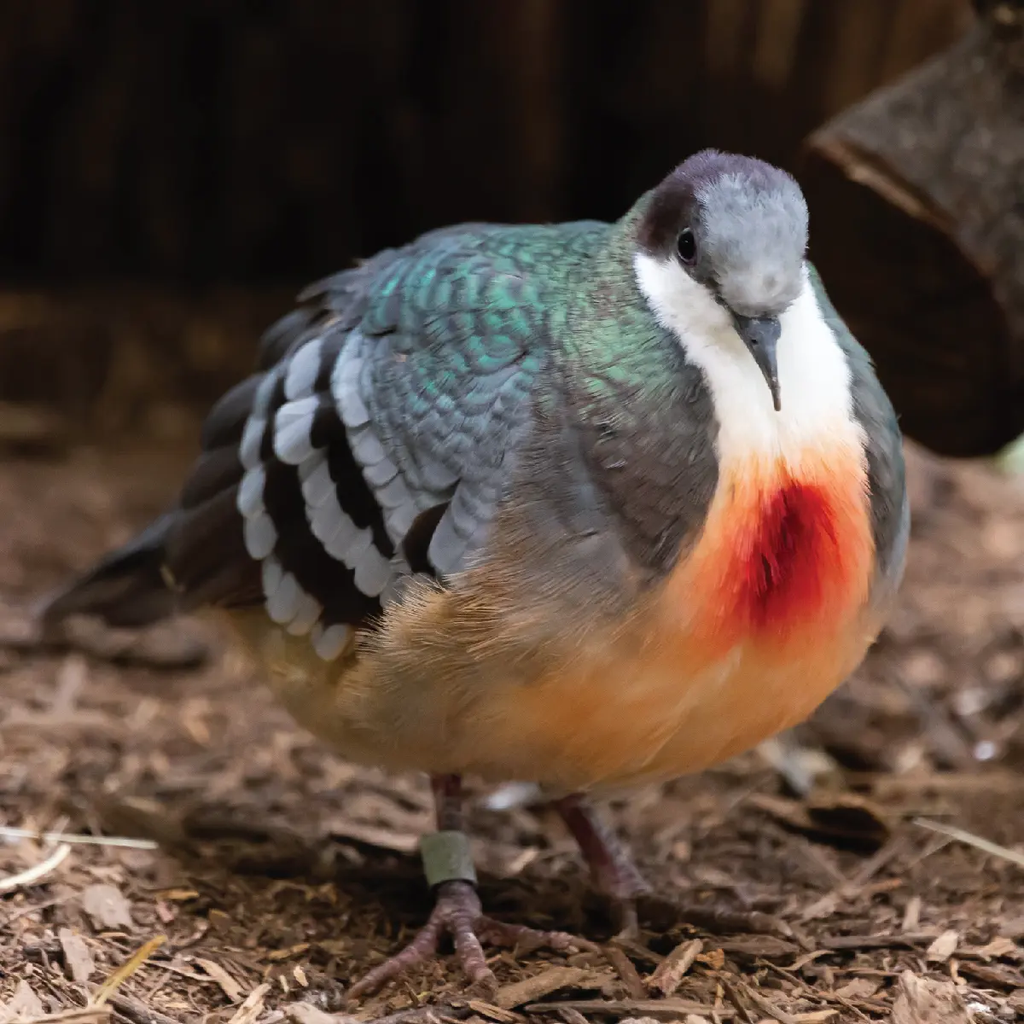
by stizoo.org
- Hornbills — 10 endemic species, including the Visayan and Sulu hornbills.
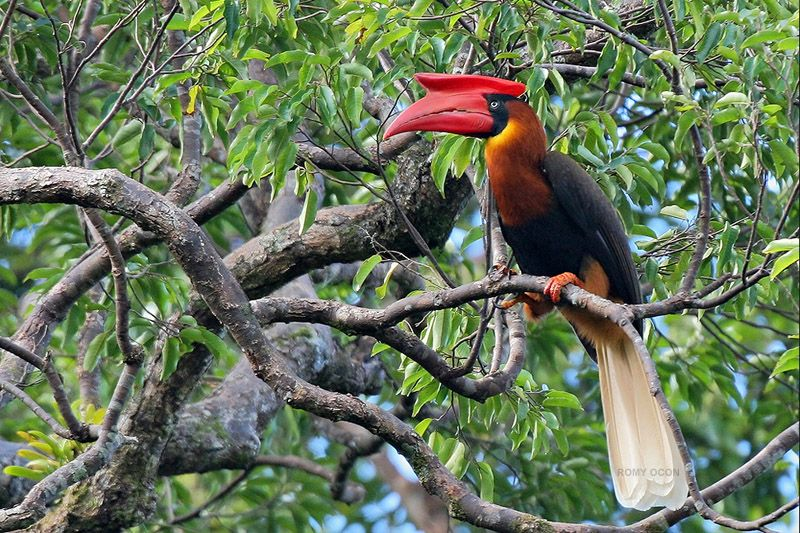
by pinterest.com
- Philippine Duck — A vulnerable endemic waterfowl.
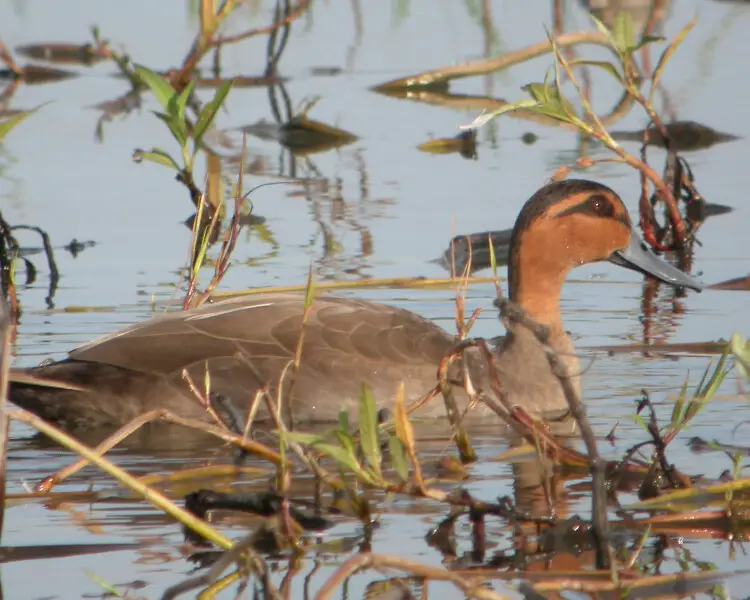
by animalia.bio
Endemic Reptiles & Amphibians
- Philippine Crocodile — One of the rarest crocodiles globally.
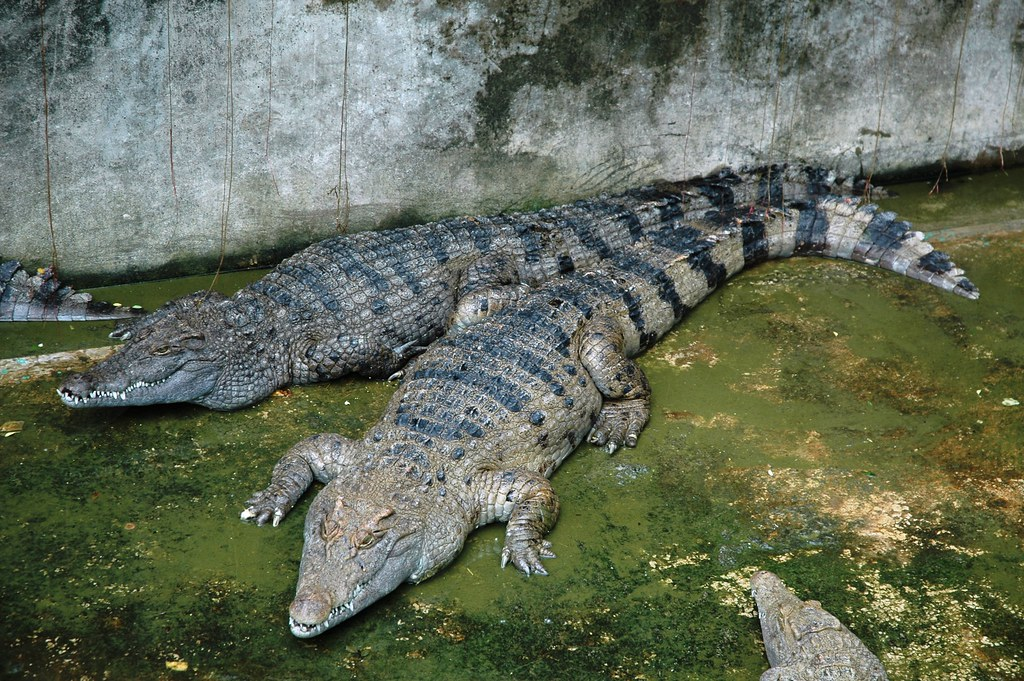
by ar.inspiredpencil.com
- Monitor Lizards — Including Gray’s monitor and Panay monitor.
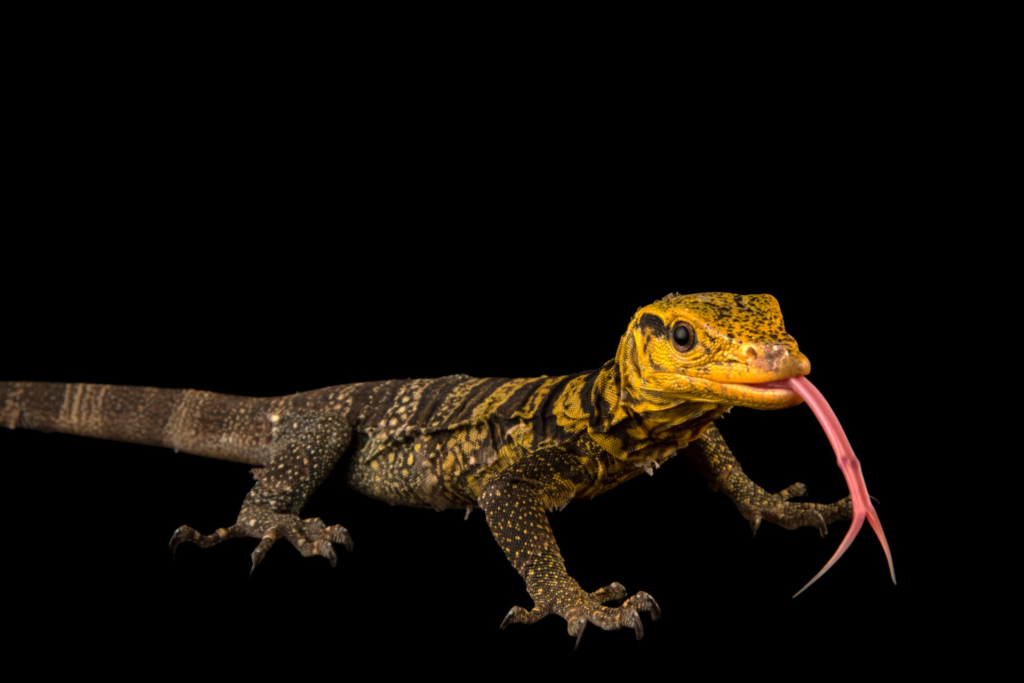
by joelsartore.com
- Endemic Frogs — Over 100 species, many found only in single mountain ranges.
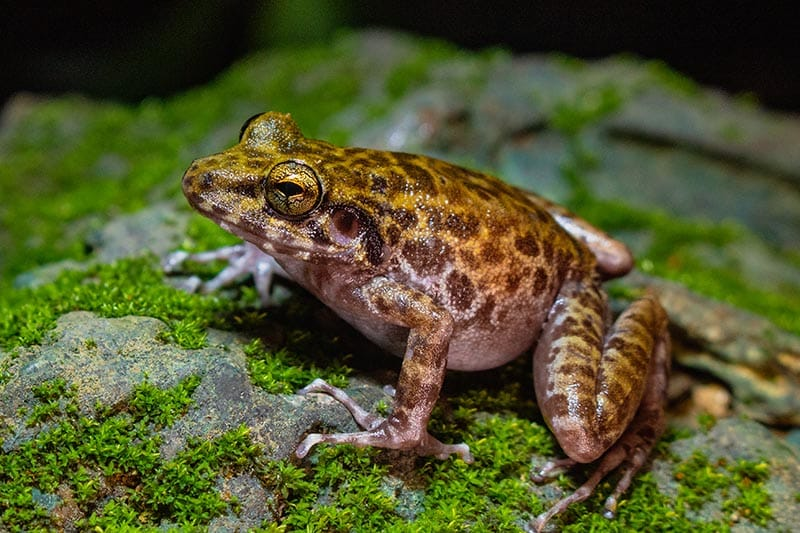
by animalia-life.club
Endemic Marine Species
- Philippine Seahorse — Found in seagrass beds.
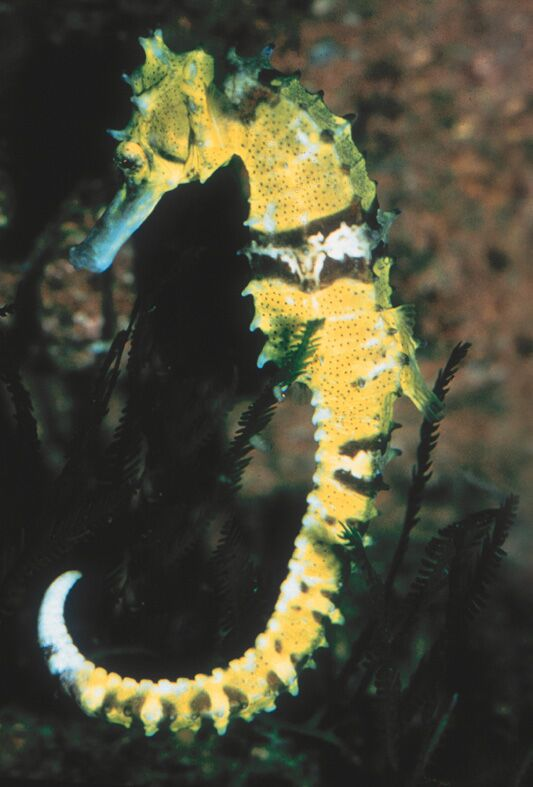
by theseahorsetrust.org
- Endemic Reef Fish — Including wrasses, gobies, and anthias.
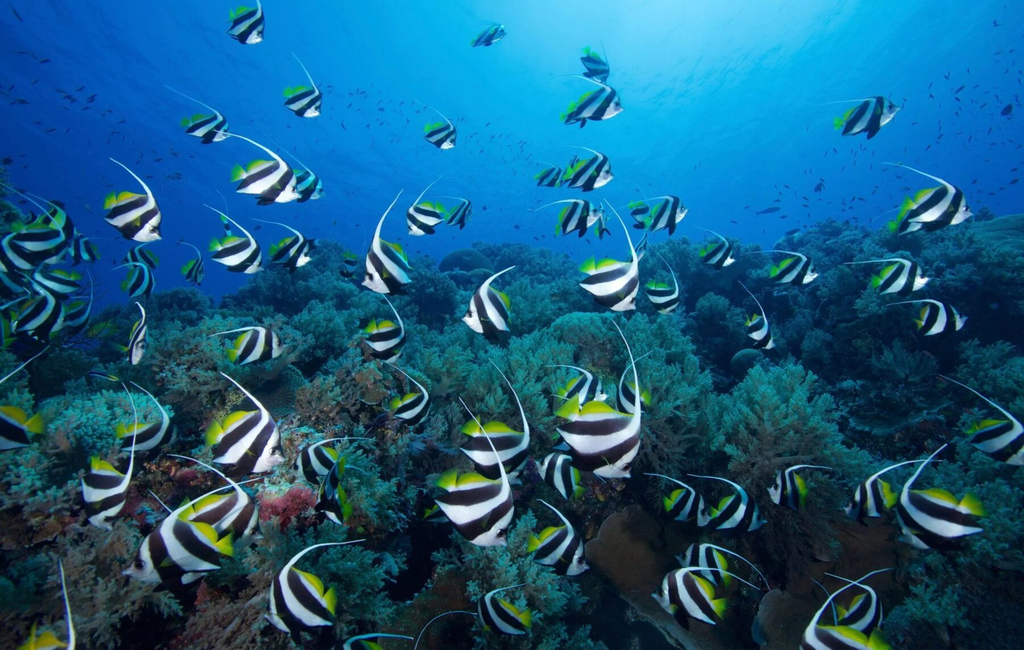
by uw360.asia
- Marine Turtles — Five species nest on Philippine beaches.
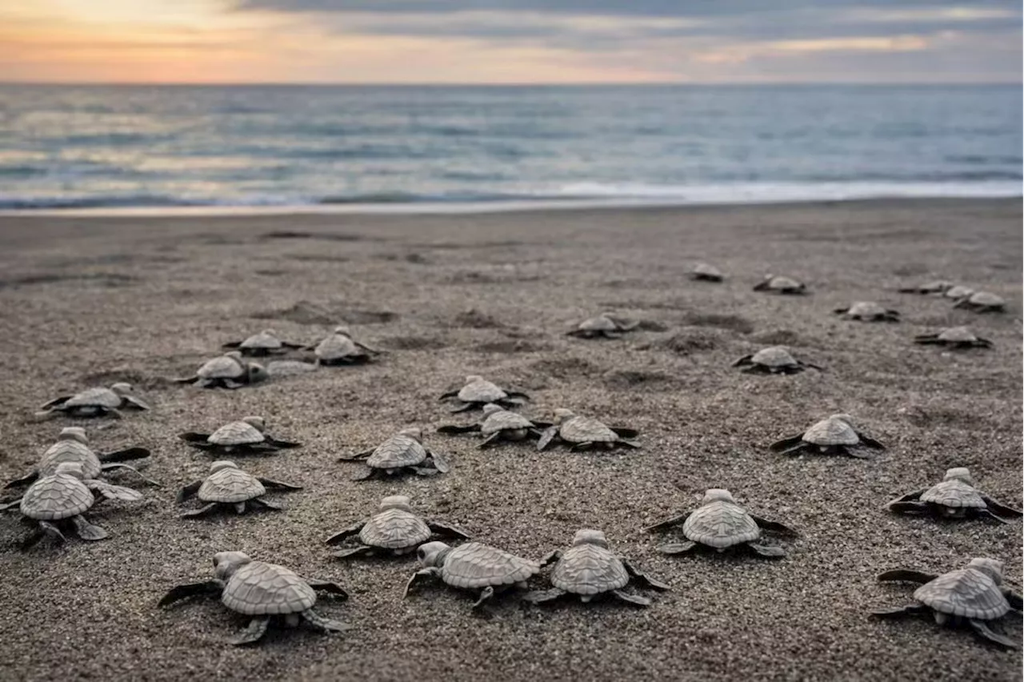
by au.headtopics.com
Major Protected Areas in the Philippines
The country has over 240 protected areas under the National Integrated Protected Areas System (NIPAS).
Top Terrestrial Protected Areas
Mount Apo Natural Park (Davao Region)
Home to the Philippine eagle, montane forests, and geothermal landscapes.
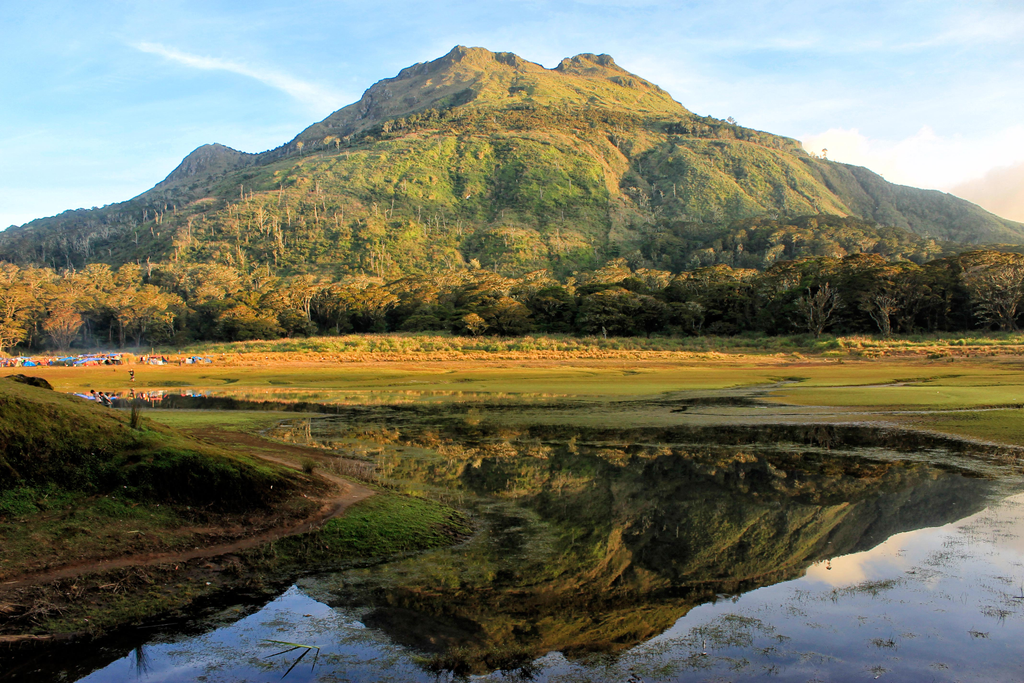
by spellbound.home.blog
Northern Sierra Madre Natural Park (Isabela)
The largest protected area in Luzon, hosting deer, warty pigs, and hornbills.
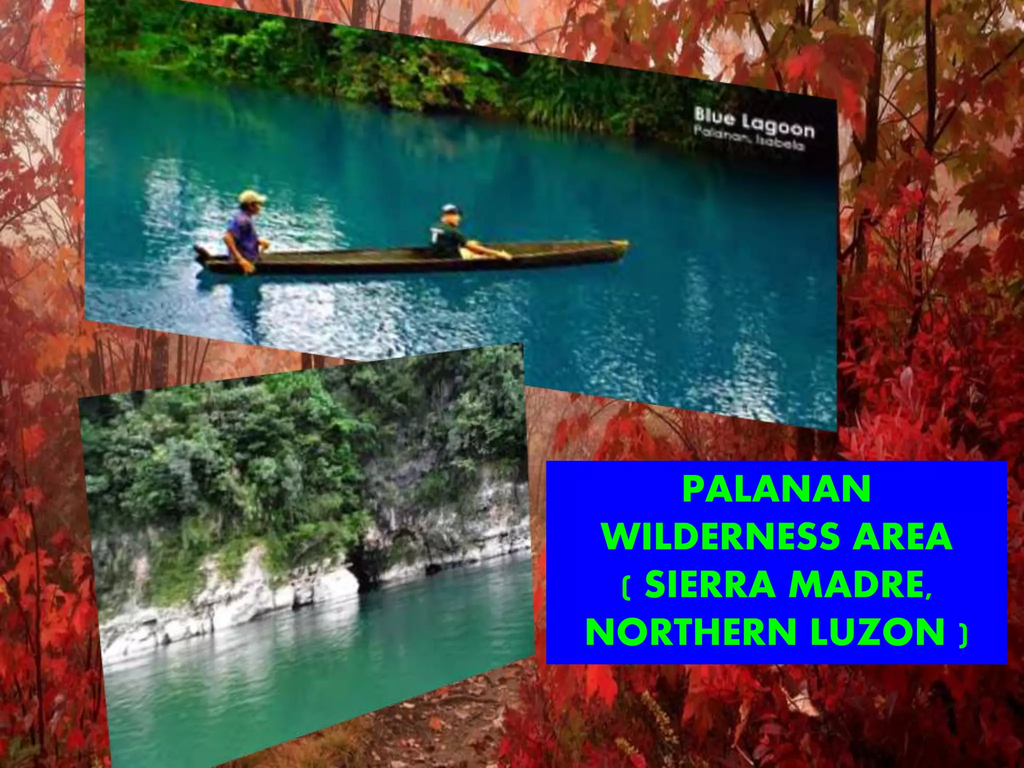
by slideshare.net
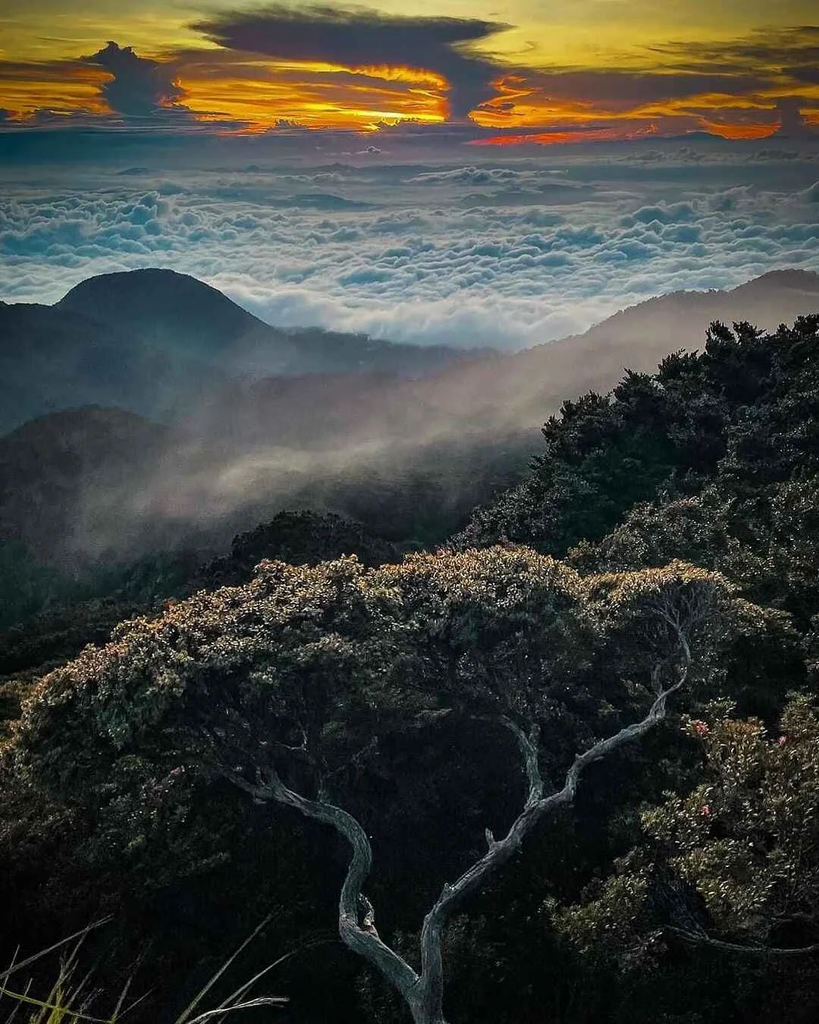
Mount Kitanglad Range Natural Park (Bukidnon)
A key eagle nesting site with mossy forests and endemic orchids.
by lakbaypinas.com
Top Marine Protected Areas
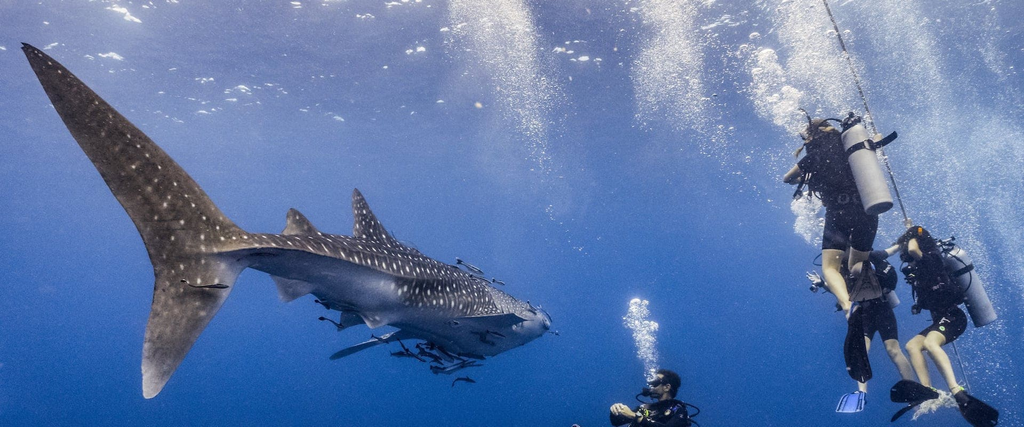
H4: Tubbataha Reefs Natural Park (Sulu Sea)
A UNESCO World Heritage Site with over 600 fish species and 360 coral species.
by liveabroad.com
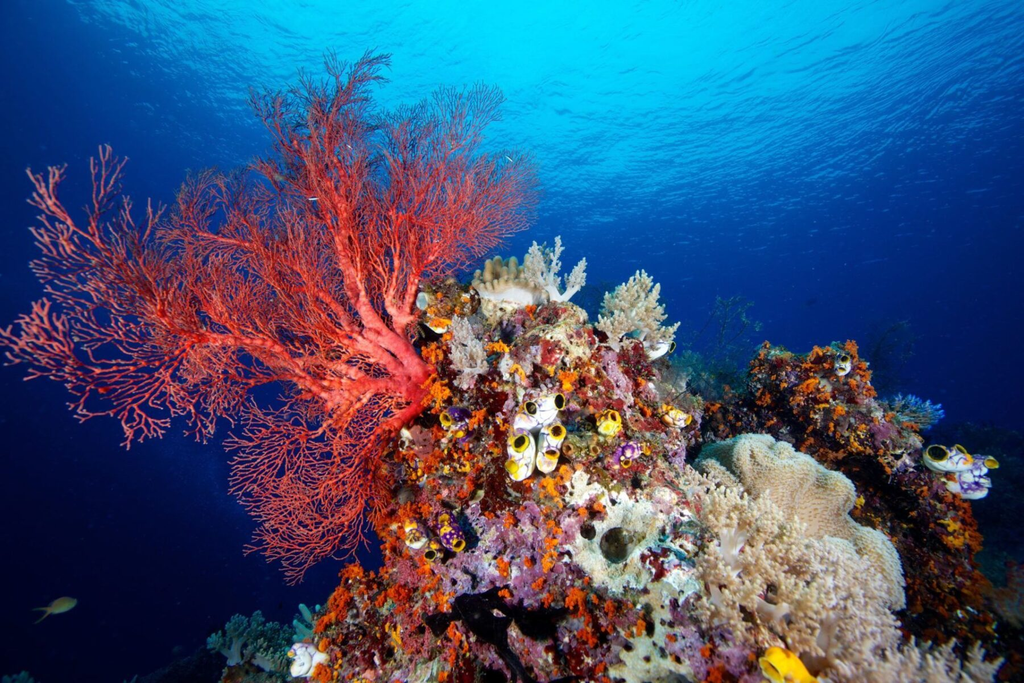
H4: Apo Reef Natural Park (Occidental Mindoro)
The second-largest contiguous coral reef in the world.
by uw360.asia
H4: Balabac Marine Protected Area (Palawan)
Home to dugongs, sea turtles, and pristine coral ecosystems.

by stampbystamptravel.com
Ethical Wildlife Tourism in the Philippines
Responsible tourism ensures wildlife protection while supporting local communities.
Principles of Ethical Wildlife Tourism
- Respect wildlife distance — Never touch, feed, or chase animals.
- Support community-led tours — Choose local guides trained in conservation.
- Avoid exploitative attractions — Skip venues with captive wildlife for entertainment.
- Follow Leave No Trace — Minimize environmental impact.
Ethical Wildlife Activities to Try
- Birdwatching in Luzon, Visayas, and Mindanao.
- Diving with marine life in Tubbataha, Apo Reef, and Moalboal.
- Forest trekking in Sierra Madre and Kitanglad.
- Wetland tours in Candaba, Agusan Marsh, and Olango Island.
Conservation Laws & Wildlife Protection Rules
The Philippines has strong legal frameworks to protect biodiversity.
Key Conservation Laws
- Wildlife Resources Conservation and Protection Act (RA 9147) Regulates wildlife collection, trade, and habitat protection.
- NIPAS Act (RA 7586 & Expanded NIPAS RA 11038) Establishes and manages protected areas nationwide.
- Fisheries Code (RA 8550) Protects marine species and regulates fishing practices.
- Forestry Code Governs forest use, logging restrictions, and reforestation.
Traveler Responsibilities Under Philippine Law
- Do not collect wildlife — Even shells, corals, or plants.
- Respect protected area rules — Permits may be required for trekking or diving.
- Avoid illegal wildlife trade — Report suspicious activities.
- Follow local conservation guidelines — Each protected area has unique regulations.
Threats to Philippine Biodiversity
Understanding threats helps travelers support conservation efforts.
Major Threats
- Habitat loss — Deforestation, mining, agriculture.
- Illegal wildlife trade — A major threat to reptiles and birds.
- Climate change — Coral bleaching, extreme weather.
- Pollution — Plastics, chemicals, and waste.
- Overfishing — Threatens marine ecosystems.
How Travelers Can Support Conservation
Small actions create meaningful impact.
Practical Ways to Help
- Choose eco-certified tours
- Donate to conservation groups
- Participate in citizen science
- Reduce plastic use
- Support local communities
Final Takeaways
The Philippines is a treasure trove of biodiversity, home to species found nowhere else on Earth. Protecting this natural heritage requires responsible tourism, adherence to conservation laws, and support for local communities and protected areas. Travelers who explore ethically help ensure that future generations can continue to experience the country’s extraordinary wildlife.