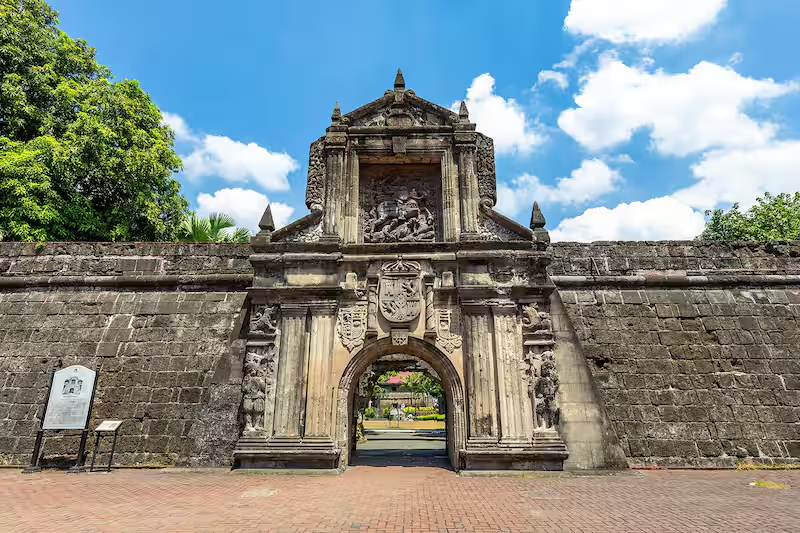
by hotels.com
Intramuros is the historic heart of Manila and one of the Philippines’ most important cultural destinations. Known as the “Walled City,” it served as the center of Spanish colonial administration for more than 300 years and remains home to centuries-old churches, fortifications, museums, plazas, and heritage buildings.
While modern Metro Manila surrounds it, Intramuros offers visitors a chance to step back into the country’s colonial past. Walking its cobblestone streets, exploring ancient walls, and visiting historic landmarks provides an experience unlike anywhere else in the Philippines.
For travelers interested in history, architecture, photography, culture, and heritage tourism, Intramuros is one of the country’s must-visit destinations.
Intramuros at a Glance
| Feature | Details |
|---|---|
| Location | Manila, NCR |
| Established | 1571 |
| Known For | Walled City, Colonial Heritage, Fort Santiago |
| Travel Style | Culture, History, Architecture |
| Ideal Visit Length | Full Day |
| Distance from NAIA | Approximately 10-12 km |
| Travel Time from NAIA | 30-60 Minutes |
| Best For | History Lovers, Families, Students, Photographers |
| Historic Character | Spanish Colonial |
Why Visit Intramuros?
Intramuros is often called the birthplace of modern Manila.
The district preserves many of the structures, plazas, churches, walls, and fortifications that shaped Philippine history from the Spanish colonial era through the American period and World War II.
Visitors come to Intramuros to:
- Walk through centuries of history
- Explore Spanish colonial architecture
- Visit famous churches
- Learn about national heroes
- Tour museums
- Ride bamboo bicycles
- Experience cultural events
- Photograph historic landmarks
No other destination in Metro Manila combines history, culture, and accessibility as effectively.
What Makes Intramuros Special?
The Philippines’ Most Famous Historic District
While Vigan is the Philippines’ best-known heritage town, Intramuros is unquestionably its most famous historic district.
Millions of travelers visit each year to explore the area where much of Philippine colonial history unfolded.
A Living Historical Site
Intramuros is not merely a museum. Schools, government offices, churches, restaurants, hotels, and residents continue to occupy the district.
The result is a heritage destination that remains active and relevant.
The Heart of Spanish Manila
For more than three centuries, Intramuros was the center of political, military, and religious power in the Spanish East Indies.
Many of the Philippines’ most significant historical events occurred within its walls.
Top Attractions in Intramuros
Fort Santiago
Fort Santiago is the most famous attraction in Intramuros and one of the most important historical sites in the Philippines.
Built by the Spanish in the late 1500s, the fortress served as a military headquarters, prison, and defensive stronghold.
Highlights
- Rizal Shrine
- Historical exhibits
- Gardens and plazas
- Ancient stone walls
- Views of the Pasig River
For first-time visitors, this should be the highest priority attraction.
San Agustin Church
A UNESCO World Heritage Site, San Agustin Church is the oldest stone church in the Philippines.
The church survived numerous earthquakes, wars, and natural disasters that destroyed many neighboring buildings.
Highlights
- Baroque architecture
- Historic interiors
- Religious artwork
- UNESCO recognition
- Museum collections
Manila Cathedral
The Manila Cathedral serves as the principal cathedral of the Archdiocese of Manila.
The current structure is the latest version of a church that has been rebuilt several times throughout its history.
Highlights
- Neo-Romanesque architecture
- Historic significance
- Beautiful stained glass
- Major religious landmark
Plaza Roma
Plaza Roma serves as the historic center of Intramuros.
Surrounded by important landmarks, it remains an excellent starting point for a walking tour of the district.
Casa Manila
Casa Manila recreates the lifestyle of wealthy Filipino families during the Spanish colonial era.
The museum features:
- Antique furniture
- Traditional architecture
- Colonial interiors
- Historical exhibits
It offers one of the best insights into daily life during the Spanish period.
Baluarte and City Walls
The defensive walls that give Intramuros its name remain among the district’s most impressive features.
Visitors can walk sections of the walls while enjoying views of modern Manila and the surrounding cityscape.
Experiencing Intramuros
Take a Walking Tour
The best way to appreciate Intramuros is on foot.
Many attractions are located close together, allowing visitors to explore at their own pace while discovering hidden courtyards, plazas, and historic streets.
Ride a Bamboo Bicycle
One of Intramuros’ most popular activities is cycling through the district on handmade bamboo bicycles.
This provides a unique way to see multiple attractions efficiently.
Explore at Sunset
Late afternoon is one of the best times to visit.
The golden light enhances the historic architecture while temperatures become more comfortable for walking.
Food & Dining in Intramuros
Intramuros has evolved into a respectable dining destination.
Visitors will find:
- Traditional Filipino cuisine
- Spanish-inspired dishes
- Cafés and coffee shops
- Heritage restaurants
- Modern fusion dining
Several restaurants operate inside restored heritage structures, enhancing the cultural experience.
Intramuros vs Other Philippine Heritage Destinations
| Feature | Intramuros | Vigan | Taal |
|---|---|---|---|
| Historic Importance | ★★★★★ | ★★★★☆ | ★★★★☆ |
| Architecture | ★★★★★ | ★★★★★ | ★★★★★ |
| Walkability | ★★★★★ | ★★★★★ | ★★★★★ |
| Museums | ★★★★★ | ★★★★☆ | ★★★★☆ |
| Food Scene | ★★★★☆ | ★★★★★ | ★★★★☆ |
| Ideal Stay | Full Day | 2-3 Days | 1-2 Days |
| Best For | Philippine History | Heritage Town Experience | Ancestral Houses |
Quick Winner
- Choose Intramuros for Philippine history.
- Choose Vigan for the most complete heritage-town experience.
- Choose Taal for heritage houses and religious heritage.
How Far Is Intramuros from Manila’s Airports?
| Airport | Travel Time |
|---|---|
| NAIA Terminal Area | 30-60 Minutes |
| Clark International Airport | 2-3 Hours |
Travel times vary considerably depending on Metro Manila traffic conditions.
How Long Should You Stay?
| Duration | Recommendation |
|---|---|
| Half Day | Possible but rushed |
| Full Day | Recommended |
| 2 Days | Ideal for museums and nearby attractions |
| 3+ Days | Combine with wider Manila exploration |
A full day is the minimum recommended visit for travelers who want to experience the major highlights.
Best Experiences in Intramuros
| Experience | Priority |
|---|---|
| Visit Fort Santiago | Must Do |
| Explore San Agustin Church | Must Do |
| Visit Manila Cathedral | Must Do |
| Walk the Historic Walls | Must Do |
| Tour Casa Manila | Highly Recommended |
| Take a Walking Tour | Highly Recommended |
| Ride a Bamboo Bicycle | Recommended |
| Explore at Sunset | Recommended |
Where to Stay
Stay Inside Intramuros
Several hotels within the district offer direct access to major attractions and a unique heritage atmosphere.
Stay in Manila
Many visitors choose accommodations in:
- Rizal Park Area
- Ermita
- Malate
- Makati
- Bonifacio Global City
and visit Intramuros as part of their Manila itinerary.
Suggested Full-Day Intramuros Itinerary
Morning
- Fort Santiago
- Rizal Shrine
- Plaza Roma
Lunch
- Heritage restaurant
- Local Filipino cuisine
Afternoon
- Manila Cathedral
- San Agustin Church
- San Agustin Museum
- Casa Manila
Late Afternoon
- Walk the city walls
- Photography session
- Sunset views
Best Time to Visit
The dry season between November and May generally provides the most comfortable weather conditions for walking and outdoor exploration.
For photography, early morning and late afternoon offer the best lighting.
Is Intramuros Worth Visiting?
Absolutely.
Intramuros is one of the most important cultural and historical destinations in the Philippines. Its walls, churches, museums, plazas, and fortifications tell the story of centuries of Philippine history and provide visitors with a deeper understanding of the country’s heritage.
For travelers seeking culture, architecture, and historical significance, Intramuros remains an essential stop and one of the country’s greatest heritage attractions.