by resonate.travel
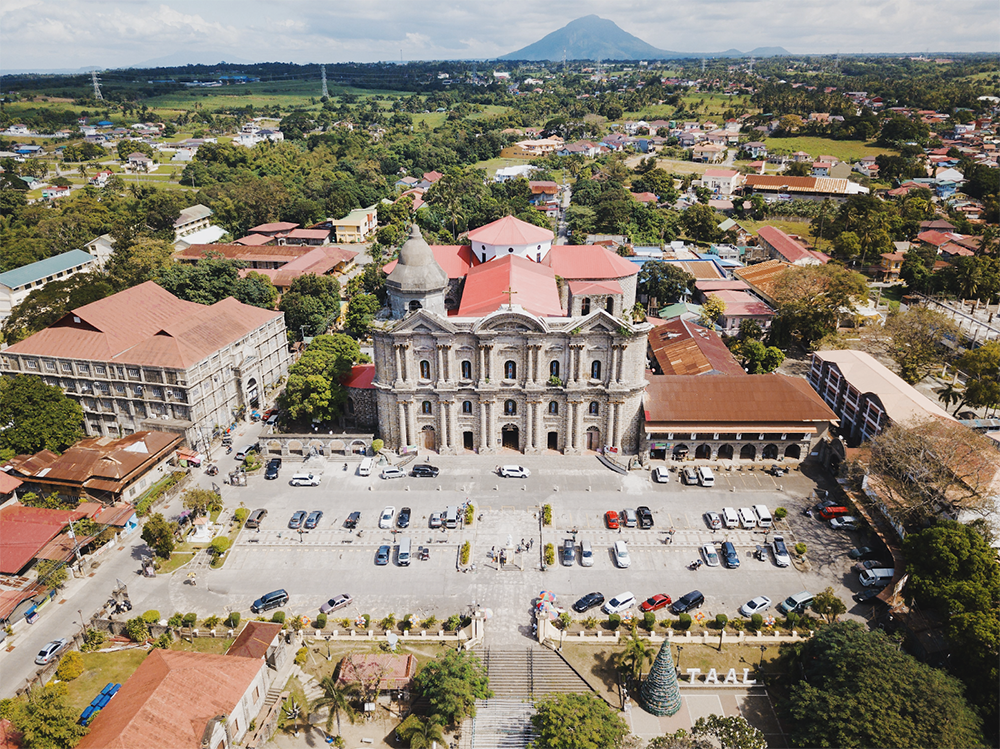
Taal Heritage Town in Batangas is one of the Philippines’ most remarkable cultural destinations. Known for its grand ancestral homes, historic churches, traditional crafts, and preserved town center, Taal offers visitors a glimpse into the country’s colonial past while remaining a vibrant community today.
Often compared to Vigan, Taal presents a different heritage experience. Instead of cobblestone streets and Spanish-era urban architecture, visitors discover elegant Filipino ancestral houses, religious landmarks, museums, and local traditions that have shaped the town for generations.
For travelers interested in history, architecture, culture, photography, and local food, Taal is one of the best heritage destinations in the Philippines.
Taal Heritage Town at a Glance
| Feature | Details |
|---|---|
| Province | Batangas |
| Region | CALABARZON (Region IV-A) |
| Known For | Heritage Houses, Basilica of St. Martin of Tours |
| Travel Style | Heritage, Culture, Architecture, Food |
| Ideal Stay | Full Day to 2 Days |
| Distance from Manila | Approximately 110 km |
| Travel Time from Manila | 2-3 Hours |
| Best For | Cultural Travelers, Families, Couples, Photographers |
| Historic Character | Spanish Colonial & Filipino Heritage |
Why Visit Taal Heritage Town?
Taal is one of the country’s most important heritage destinations because it preserves an extraordinary collection of ancestral homes, churches, museums, and cultural traditions within a compact and walkable town center.
Visitors come to Taal to:
- Explore heritage streets
- Visit one of Asia’s largest Catholic churches
- Tour historic mansions
- Experience local traditions
- Discover Batangas cuisine
- Shop for handcrafted products
- Learn about Philippine history
Unlike many destinations where heritage attractions are spread out, most of Taal’s major sites can be explored on foot.
What Makes Taal Special?
One of the Philippines’ Best-Preserved Heritage Towns
Taal contains one of the largest concentrations of ancestral houses in the country. Many structures date back to the Spanish and American eras and showcase traditional Filipino architecture at its finest.
Rich Historical Significance
Taal played an important role during the Spanish colonial period and later during the Philippine Revolution. Numerous historical figures, artists, and national heroes have connections to the town.
Traditional Batangueño Culture
Unlike destinations that function primarily as tourist attractions, Taal remains a living community where local traditions continue to thrive through religion, cuisine, music, and craftsmanship.
Top Attractions in Taal Heritage Town
Basilica of St. Martin of Tours
The Basilica of St. Martin of Tours is the most recognizable landmark in Taal.
Often cited as the largest Catholic church in the Philippines and among the largest in Asia, the church dominates the town skyline and serves as the spiritual heart of the community.
Highlights
- Massive church façade
- Historic religious artifacts
- Beautiful interiors
- Elevated views overlooking the town
Taal Heritage Houses
Walking through Taal’s streets is like stepping back in time.
Many heritage properties remain privately owned, while others have been converted into museums, cultural centers, restaurants, and inns.
These houses feature:
- Wide wooden staircases
- Capiz shell windows
- Antique furniture
- Traditional Filipino architecture
Casa Villavicencio
One of Taal’s most famous heritage homes, Casa Villavicencio allows visitors to see how wealthy Filipino families lived during the late Spanish colonial period.
The preserved interiors contain:
- Antique furnishings
- Historical artifacts
- Original architectural elements
Galleria Taal
This unique museum showcases old photographs, cameras, and historical images that document Philippine life over several generations.
It provides a fascinating perspective on Filipino history and cultural development.
Taal Town Plaza
The central plaza serves as the social and cultural center of the community.
Surrounded by heritage structures, it remains an excellent starting point for walking tours.
Taal Museum
Visitors can learn more about:
- Local history
- Regional traditions
- Revolutionary heritage
- Batangas culture
Experiencing Taal’s Living Culture
Walk Through the Heritage District
The best way to experience Taal is simply by walking.
Unlike modern cities, Taal encourages a slower pace where visitors can appreciate architectural details, historical markers, and community life.
Attend Religious Celebrations
Faith remains an important part of local culture, and church events continue to shape community traditions.
Learn About Traditional Crafts
Taal has a long history of skilled craftsmanship including:
- Embroidery
- Woodworking
- Religious art
- Traditional costume making
Visit Heritage Museums
Several museums throughout town provide deeper insight into the people and events that shaped the region.
Food & Dining in Taal
Culinary traditions are an important part of the Taal experience.
Tapang Taal
One of Batangas’ most famous specialties, Tapang Taal is known for its distinctive flavor and preparation style.
Panutsa
This traditional peanut brittle remains one of the town’s most popular delicacies and souvenirs.
Batangas Coffee
Coffee culture runs deep in Batangas, making local brews a must-try experience for visitors.
Traditional Batangas Cuisine
Travelers can also sample:
- Bulalo
- Lomi
- Adobo sa Dilaw
- Local pastries and sweets
Taal vs Vigan: Which Heritage Town Is Right for You?
| Feature | Taal | Vigan |
|---|---|---|
| Heritage Houses | ★★★★★ | ★★★★★ |
| Colonial Streetscape | ★★★★☆ | ★★★★★ |
| Religious Heritage | ★★★★★ | ★★★★☆ |
| Food Scene | ★★★★☆ | ★★★★★ |
| Walkability | ★★★★★ | ★★★★★ |
| Historic Atmosphere | ★★★★★ | ★★★★★ |
| Ideal Stay | 1-2 Days | 2-3 Days |
| Best For | Architecture & History | Complete Heritage Experience |
Quick Winner
Choose Taal for grand ancestral houses and religious heritage.
Choose Vigan for the Philippines’ most complete heritage-town experience.
How Far Is Taal from Manila?
| Transportation | Approximate Travel Time |
|---|---|
| Private Vehicle | 2-3 Hours |
| Bus & Jeepney Combination | 3-4 Hours |
| Guided Tour | Full-Day Excursion |
Its proximity to Metro Manila makes Taal one of the easiest heritage destinations to visit.
How Long Should You Stay?
| Stay Length | Recommendation |
|---|---|
| Half Day | Possible but rushed |
| Full Day | Recommended Minimum |
| 1 Night / 2 Days | Ideal |
| 2 Nights | Best for slower exploration |
Most visitors can comfortably experience Taal’s major attractions in a full day, but an overnight stay allows more time to appreciate the town’s character and enjoy local dining options.
Best Heritage Experiences in Taal
| Experience | Priority |
|---|---|
| Visit the Basilica | Must Do |
| Walk the Heritage District | Must Do |
| Tour Heritage Homes | Must Do |
| Visit Casa Villavicencio | Must Do |
| Explore Museums | Recommended |
| Try Tapang Taal | Essential |
| Buy Panutsa | Essential |
| Photograph Historic Streets | Essential |
Where to Stay in Taal
Heritage Inns
Several restored heritage properties allow guests to experience the town’s historic atmosphere more fully.
Boutique Hotels
Small boutique accommodations offer comfort while maintaining local character.
Nearby Resort Options
Some visitors choose to stay in nearby Batangas destinations and visit Taal as part of a broader regional itinerary.
Suggested 2-Day Taal Itinerary
Day 1
- Basilica of St. Martin of Tours
- Heritage walking tour
- Casa Villavicencio
- Taal Plaza
- Local dining experience
Day 2
- Taal Museum
- Galleria Taal
- Heritage house visits
- Food and souvenir shopping
- Coffee and local delicacies
Best Time to Visit
The dry season between November and May generally offers the most comfortable conditions for walking and exploring outdoor heritage sites.
Weekdays are ideal for visitors seeking a quieter experience.
Is Taal Heritage Town Worth Visiting?
Absolutely.
Taal Heritage Town offers one of the richest cultural experiences in the Philippines. Its impressive ancestral homes, historic church, museums, local traditions, and walkable heritage district create an authentic destination that appeals to travelers seeking more than beaches and resorts.
For visitors interested in architecture, Philippine history, religious heritage, and cultural tourism, Taal deserves a place among the country’s premier heritage destinations.