Explore the indigenous cultures of the Philippines, from the Ifugao and Kalinga to the T’boli and Yakan. Discover traditional lifestyles, crafts, languages, rituals, and living cultural heritage.
by outoftownblog.com
Indigenous Cultures of the Philippines
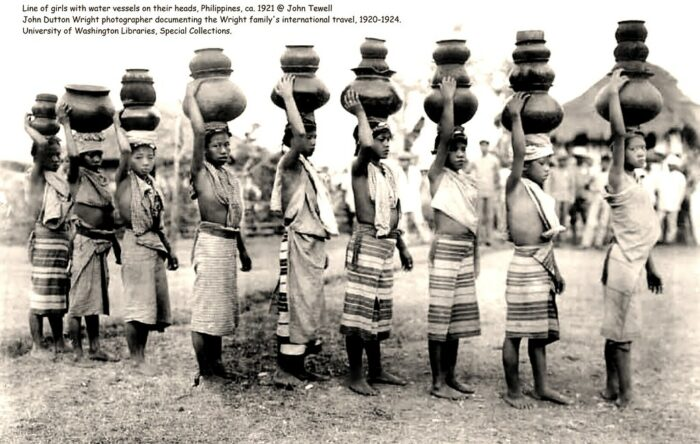
The Philippines is home to a remarkable diversity of indigenous cultures that have preserved unique traditions, languages, knowledge systems, art forms, and ways of life for centuries. Spread across Luzon, Visayas, and Mindanao, these communities represent an important part of the nation’s cultural identity and living heritage.
From the mountain peoples of the Cordilleras to the weaving traditions of Mindanao and the seafaring communities of the south, indigenous cultures continue to shape the Philippines through their customs, craftsmanship, environmental stewardship, and cultural resilience.
For travelers seeking a deeper understanding of the country beyond its beaches and cities, learning about indigenous cultures offers one of the most meaningful experiences available.
Quick Facts About Indigenous Cultures in the Philippines
| Feature | Details |
|---|---|
| Estimated Indigenous Peoples | Over 100 ethnolinguistic groups |
| Primary Regions | Luzon, Mindanao, Palawan, Visayas |
| Known For | Traditional crafts, rituals, weaving, music, agriculture |
| UNESCO Connections | Ifugao Rice Terraces cultural landscape |
| Best For | Cultural tourism, history, heritage learning |
| Major Languages | Hundreds of indigenous languages and dialects |
| Cultural Significance | Living traditions dating back centuries |
Understanding Indigenous Peoples in the Philippines
Indigenous Peoples (IPs) are communities that have maintained cultural traditions, social structures, and connections to ancestral lands that predate colonial rule.
These communities safeguard valuable knowledge related to:
- Sustainable agriculture
- Traditional medicine
- Environmental conservation
- Oral histories
- Music and dance
- Weaving and craftsmanship
- Spiritual traditions
Many indigenous groups continue to practice their customs while adapting to modern life.
Major Indigenous Cultures of Luzon
Ifugao
by pinterest.co.uk
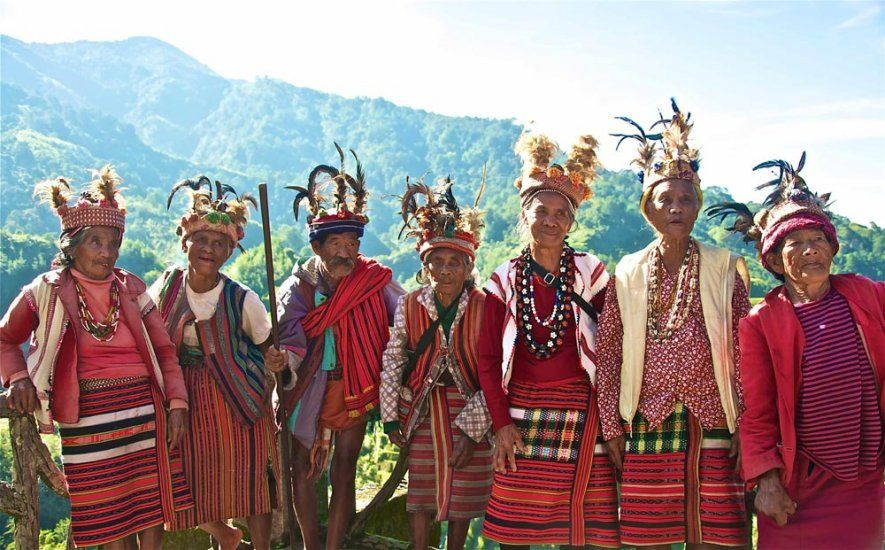
The Ifugao people are internationally recognized for creating and maintaining the famous Rice Terraces of the Philippine Cordilleras.
Highlights
- Banaue Rice Terraces
- Batad Rice Terraces
- Traditional wood carving
- Rice-centered cultural traditions
- Hudhud chants
Best Place to Learn: Banaue and surrounding Ifugao communities.
Kalinga
by pauloquillano.wixsite.com
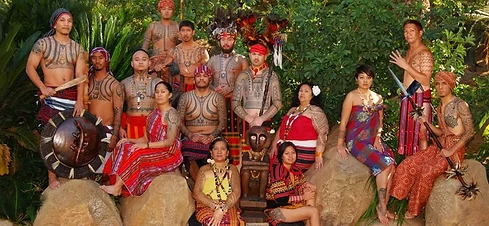
The Kalinga are known for their warrior traditions, elaborate tattoos, and vibrant woven textiles.
Highlights
- Traditional tattooing
- Indigenous weaving
- Mountain villages
- Cultural festivals
Best Place to Learn: Kalinga Province.
Bontoc

by bridgemanimages.com
The Bontoc people have maintained strong cultural traditions linked to agriculture and community life in the Cordillera region.
Highlights
- Traditional architecture
- Rice farming traditions
- Indigenous museums
- Cultural performances
Best Place to Learn: Bontoc, Mountain Province.
Ibaloi
by pinterest.com
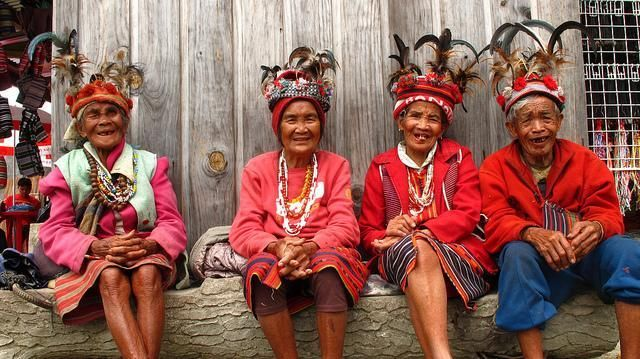
The Ibaloi people inhabit Benguet and are known for their unique cultural practices and mountain traditions.
Highlights
- Traditional rituals
- Highland settlements
- Indigenous heritage sites
Best Place to Learn: Benguet Province.
Isneg

by iplmyths.blogspot.com
The Isneg people of Apayao maintain traditions rooted in river systems, forests, and mountain landscapes.
Highlights
- River-based communities
- Traditional craftsmanship
- Cultural heritage ceremonies
Best Place to Learn: Apayao.
Aeta

by youngpioneertours.com
Among the earliest inhabitants of the Philippines, Aeta communities are known for their deep knowledge of forest environments.
Highlights
- Hunter-gatherer traditions
- Indigenous ecological knowledge
- Forest survival skills
- Oral traditions
Best Place to Learn: Central Luzon and Southern Luzon.
Indigenous Cultures of Palawan
Tagbanua
by blogspot.com
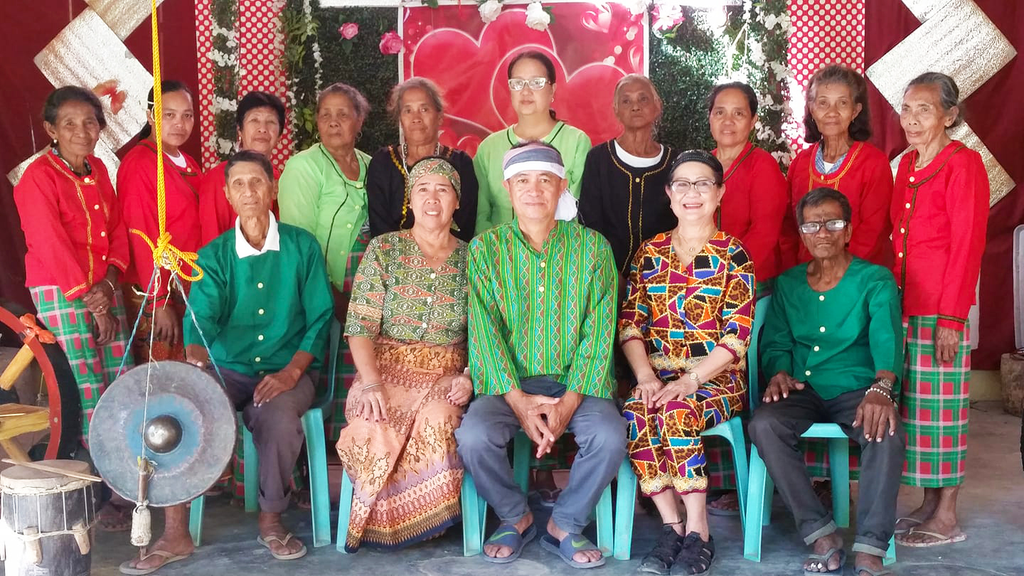
The Tagbanua are among Palawan’s most important indigenous groups and have strong cultural and environmental ties to their ancestral territories.
Highlights
- Traditional fishing methods
- Environmental stewardship
- Cultural rituals
- Island communities
Best Place to Learn: Northern Palawan and Coron area.
Batak
by gettyimamges.com
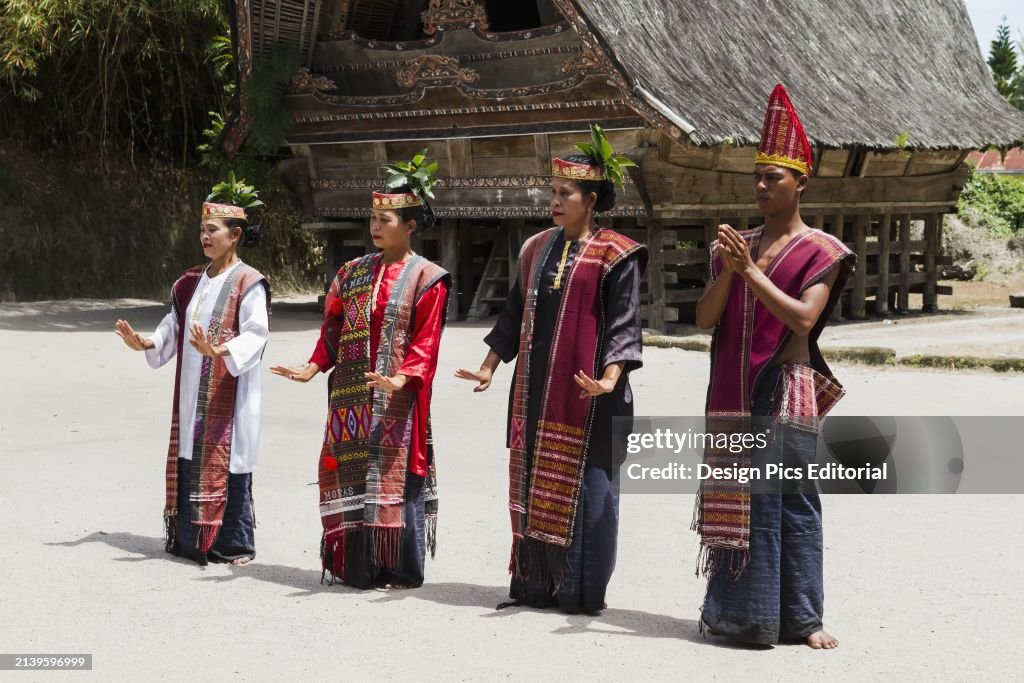
A small indigenous group of northern Palawan, the Batak maintain forest-based traditions and cultural practices.
Highlights
- Traditional forest knowledge
- Indigenous ceremonies
- Handcrafted products
Pala’wan
by travel-palawan.com
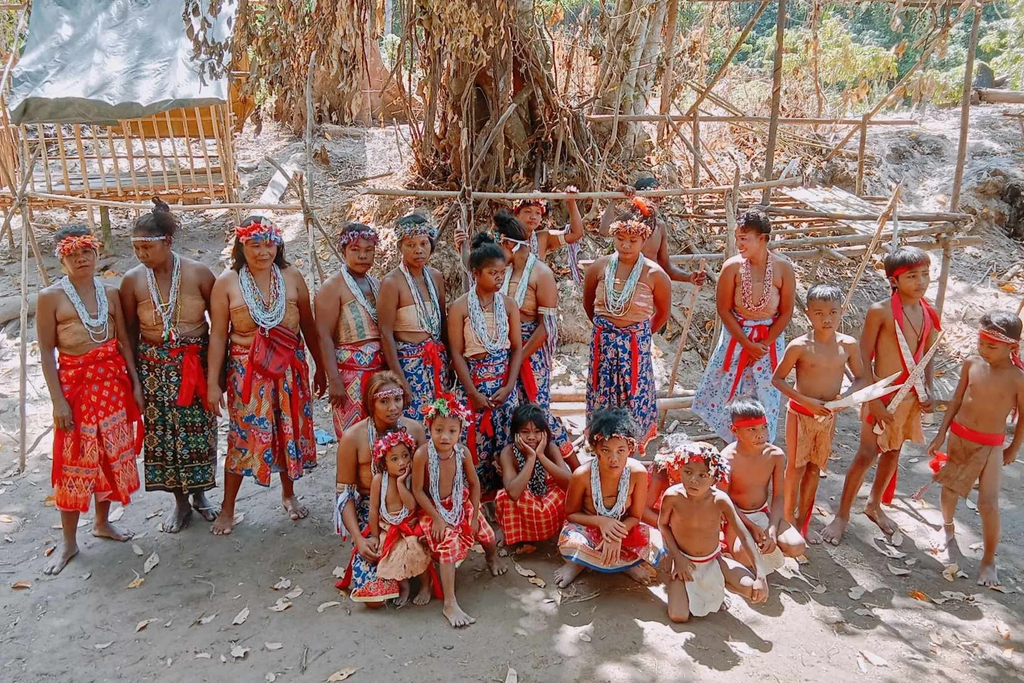
The Pala’wan people occupy central and southern Palawan, preserving traditions linked to the island’s interior landscapes.
Highlights
- Oral traditions
- Cultural beliefs
- Agricultural practices
Indigenous Cultures of the Visayas
While much of the Visayas experienced significant cultural blending during the colonial period, several indigenous communities continue to preserve elements of pre-colonial heritage.
Ati

by traveloka.com
The Ati are among the oldest known inhabitants of the Visayas.
Highlights
- Traditional customs
- Cultural festivals
- Oral histories
Best Place to Learn: Panay Island.
Suludnon (Panay Bukidnon)

by nomadicexperiences.com
The Suludnon preserve some of the most important remaining epic traditions in the Visayas.
Highlights
- Oral epics
- Traditional music
- Indigenous dance
- Mountain communities
Best Place to Learn: Interior Panay.
Indigenous Cultures of Mindanao
T’boli
by blogspot.com
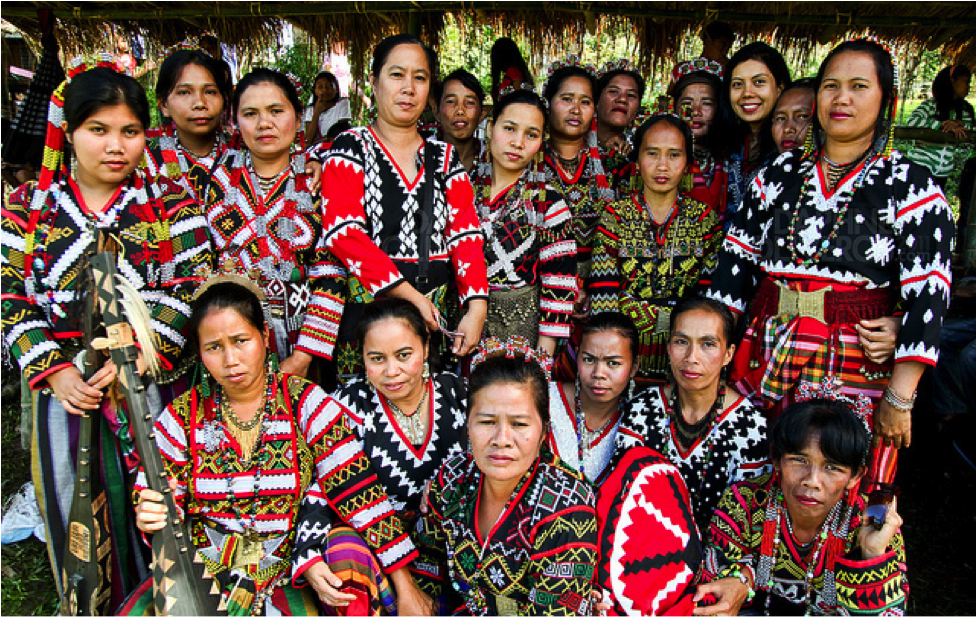
Known for their artistic traditions and intricate weaving, the T’boli are among Mindanao’s most celebrated indigenous groups.
Highlights
- T’nalak weaving
- Traditional music
- Lake Sebu culture
- Dream-inspired designs
Best Place to Learn: Lake Sebu, South Cotabato.
Manobo
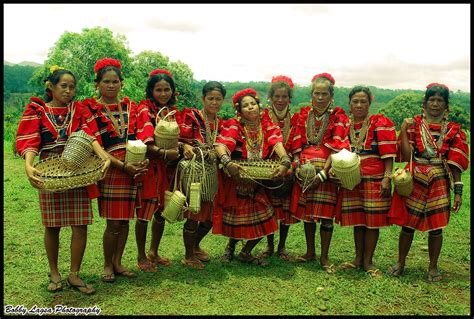
by flickr.com
One of the largest indigenous groups in Mindanao, the Manobo encompass numerous communities across the island.
Highlights
- Oral traditions
- Agricultural heritage
- Indigenous craftsmanship
Best Place to Learn: Various parts of Northern and Eastern Mindanao.
Bagobo
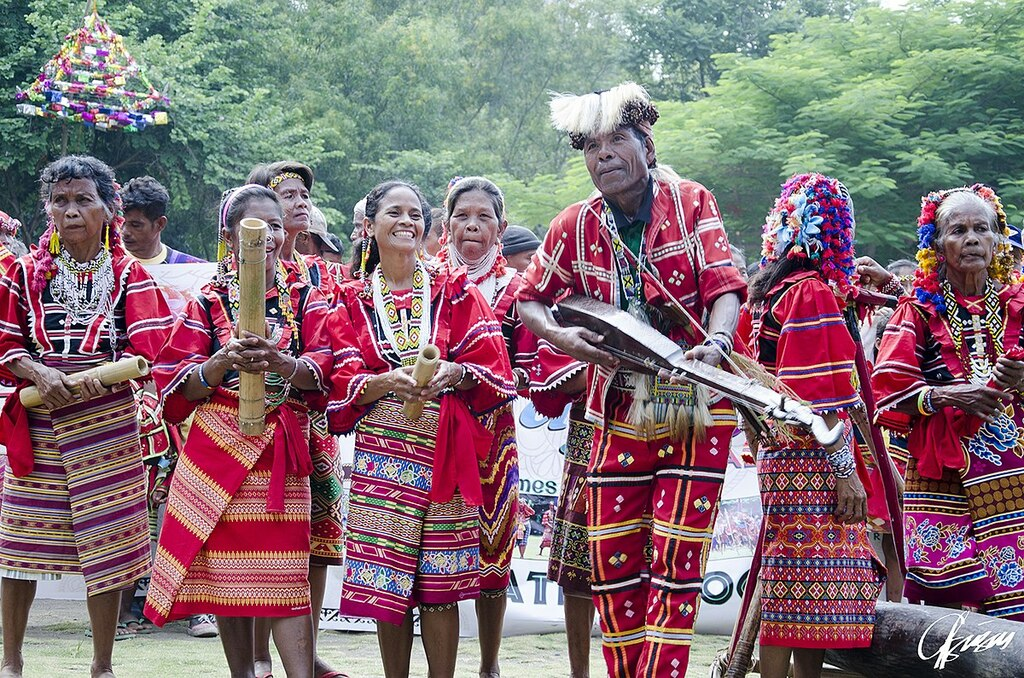
by trip101.com
The Bagobo people retain important traditions related to weaving, spirituality, and craftsmanship.
Highlights
- Traditional attire
- Cultural rituals
- Indigenous artwork
Best Place to Learn: Davao Region.
Yakan
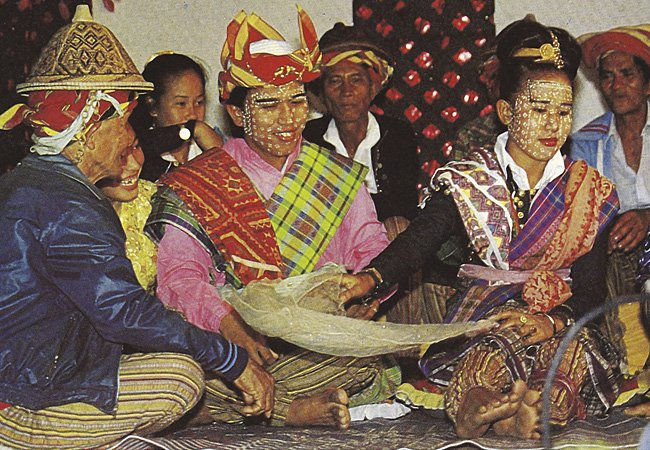
by honestweddingadvice.com
The Yakan are renowned throughout the Philippines for their vibrant textiles and weaving traditions.
Highlights
- Handwoven fabrics
- Intricate patterns
- Traditional clothing
Best Place to Learn: Basilan and Zamboanga City cultural centers.
Maranao
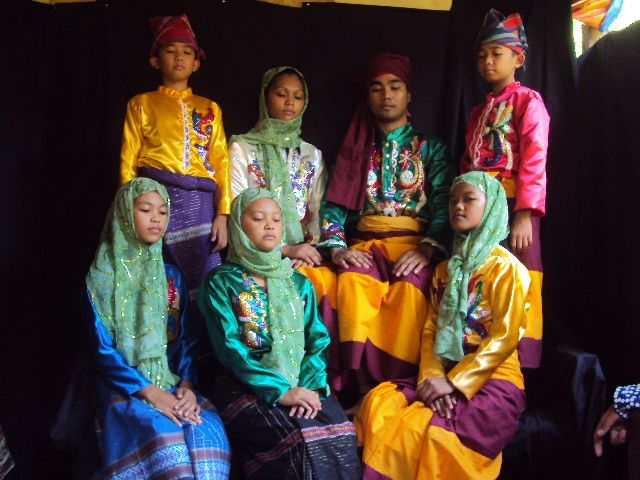
by ph.pinterest.com
The Maranao people are known for their rich artistic traditions and association with the historic Sultanate of Lanao.
Highlights
- Okir woodcarving
- Torogan houses
- Kulintang music
- Traditional crafts
Best Place to Learn: Lanao del Sur.
Subanen

by flickr.com
The Subanen are among the oldest indigenous communities of the Zamboanga Peninsula.
Highlights
- Mountain traditions
- Ritual ceremonies
- Indigenous agriculture
Best Place to Learn: Zamboanga Peninsula.
Indigenous Arts and Crafts
Traditional Weaving
Many indigenous communities preserve world-class textile traditions.
Notable examples include:
- T’nalak (T’boli)
- Inabel (Ilocos traditions)
- Kalinga textiles
- Yakan weaving
- Hablon weaving traditions
Woodcarving
Traditional carving remains important among:
- Ifugao communities
- Cordillera groups
- Maranao artisans
Metalwork and Jewelry
Many communities create:
- Brass crafts
- Beadwork
- Indigenous jewelry
- Ceremonial tools
Indigenous Music and Dance
Traditional music remains a vital part of community life.
Examples include:
- Kulintang ensembles of Mindanao
- Gangsa gong music of the Cordilleras
- Traditional chants and oral epics
- Ritual dances and ceremonies
These performances often accompany festivals, harvest celebrations, weddings, and community gatherings.
Experiencing Indigenous Culture Responsibly
Visitors should approach indigenous tourism with respect and cultural sensitivity.
Best practices include:
- Support community-led tourism initiatives.
- Purchase directly from local artisans.
- Ask permission before taking photographs.
- Respect sacred sites and ceremonies.
- Learn about local customs before visiting.
- Hire accredited local guides when available.
Responsible tourism helps support cultural preservation while benefiting local communities.
Best Indigenous Cultural Destinations
| Destination | Cultural Focus |
|---|---|
| Banaue | Ifugao Heritage |
| Batad | Rice Terrace Culture |
| Kalinga | Tattoo & Weaving Traditions |
| Lake Sebu | T’boli Culture |
| Bontoc | Cordillera Heritage |
| Palawan Interior | Tagbanua & Pala’wan Traditions |
| Lanao del Sur | Maranao Culture |
| Zamboanga Peninsula | Subanen Heritage |
Related Guides
- Philippine Cultural Travel Guide
- Heritage Towns of the Philippines
- Historic Churches of the Philippines
- Cultural Festivals of the Philippines
- UNESCO World Heritage Sites in the Philippines
- Traditional Filipino Arts and Crafts
- Philippine Museums Guide
- Ethnic Groups of the Philippines
Conclusion
The indigenous cultures of the Philippines represent some of the country’s most valuable living heritage. From the rice-growing traditions of the Ifugao and the tattooed artistry of the Kalinga to the weaving mastery of the T’boli and Yakan, these communities preserve knowledge, traditions, and identities that have endured for generations. Exploring and supporting indigenous cultures provides travelers with a richer understanding of the diverse peoples who have shaped the Philippines throughout history.