Tigungun Island Tandubas, part of the Tawi‑Tawi province
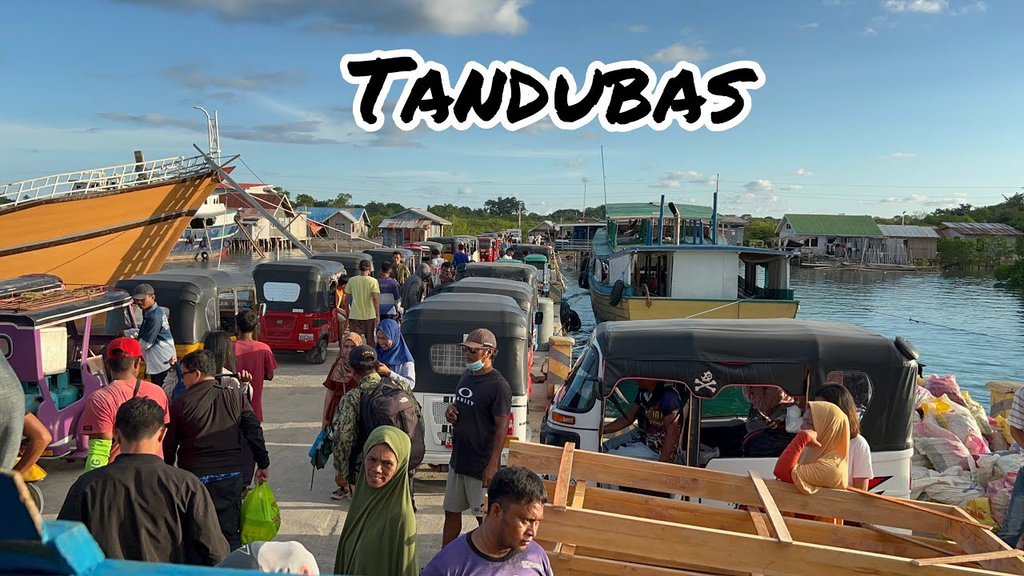
from YouTube
Tigungun Island, Tawi‑Tawi: A Quiet Island in the Eastern Sulu Sea
Tigungun Island lies within the municipality of Tandubas, one of the easternmost island clusters of Tawi‑Tawi. This part of the province is known for its shallow turquoise waters, seaweed farms, and traditional Sama‑Bajau communities. Tigungun itself is a small, rural island—peaceful, culturally rich, and surrounded by pristine marine environments.
While not yet a mainstream tourist destination, Tigungun offers raw, authentic island life for travelers seeking off‑grid experiences and immersion in local maritime culture.
Demographic Overview
- Island Group:
- Mindanao Island Group
- Region:
- BARRM (Region XV)
- Province:
- Tawi-Tawi
- Town(s):
- Tandubas
- Island Barangays: 2
- Kalang-kalang
- Salamat
- Island’s population 2020 census: 1,686 residents
- Land area: 11.15 sq. kilometers (4.30 sq. miles)
- Sea borders: The island lies within the Celebes Sea.
The Municipality of Tandubas
- 2020 population: 34,316 residents
- Barangays: 20
- Tandubas Island: 12
- Tawi-Tawi Island: 2
- Naungan Island: 1
- Taruk Island: 1
- Tingungun Island: 2
- Tandubato Island: 2
Tandubas is both a town and a multi‑island municipality located east of the Tawi‑Tawi mainland. It serves as the administrative and commercial center for several surrounding islands, including Tigungun.
Key Characteristics of Tandubas
- Island‑Based Communities — Many barangays are built on or near the water, with stilt houses and wooden walkways.
- Seaweed Farming Hub — Tandubas is part of Tawi‑Tawi’s major seaweed‑producing belt, supplying markets across Asia.
- Cultural Heritage — Home to Sama and Bajau families known for boat‑making, fishing traditions, and seafaring skills.
- Gateway to Eastern Islands — From Tandubas, travelers can reach nearby islands such as Taruk, Naungmin, and Tigungun.
Atmosphere
Expect a quiet, rural environment with friendly locals, modest markets, and boats constantly moving between islands. Tourism infrastructure is minimal, making it ideal for travelers who prefer authentic, non‑commercialized destinations.
Tourism Spots in and Around Tigungun & Tandubas
Although Tigungun Island itself is small and undeveloped, the surrounding municipality offers several natural and cultural attractions.
1. Tigungun Island Beaches
Tigungun’s coastline features simple white‑sand stretches and shallow waters ideal for swimming, beach walks, and photography. The beaches are untouched—no resorts, no crowds, just pure island calm.
2. Seaweed Farms of Tandubas
Across the waters near Tigungun and Tandubas, you’ll see long rows of floating seaweed lines. Visitors can observe harvesting and drying processes, offering insight into one of Tawi‑Tawi’s most important livelihoods.
3. Stilt Villages & Coastal Footbridges
Traditional Sama‑Bajau stilt houses form picturesque communities above the water. Walking through these villages provides a glimpse of daily life in a maritime town.
4. Taruk Island
Located north of Tandubas, Taruk Island is known for its quiet beaches and fishing communities. It’s a good stop for island‑hopping.
5. Naungmin Island
Another nearby island with clear waters and coral areas suitable for snorkeling. Its remote setting makes it perfect for peaceful day trips.
6. Tandubas Island Proper
The main island of the municipality offers beaches, small markets, and scenic coastal views. It’s the usual jump‑off point for exploring Tigungun and other nearby islands.
7. Southernmost Philippine Landmarks (Simunul)
Though farther away, travelers sometimes combine eastern Tawi‑Tawi trips with visits to Simunul’s southernmost Philippine landmarks—open 24 hours and historically significant.
Culture & Community
Tigungun and Tandubas reflect the deep maritime heritage of the Sama and Bajau peoples:
- Lepa‑style boats crafted by local artisans
- Traditional fishing methods using nets, traps, and small paddled boats
- Muslim cultural traditions, including mosques and modest attire
- Community gatherings centered around the sea and family
Visitors should dress modestly, ask permission before taking photos, and coordinate with local guides for respectful travel.
Travel Tips
- Access: Travel is by boat from Tandubas or nearby municipalities. Boat schedules depend on weather and local operators.
- Best Time to Visit: February to May for calm seas.
- Safety: The area is generally peaceful but always coordinate with local authorities or guides.
- Connectivity: Expect limited mobile signal and no commercial tourist facilities.
- Essentials: Bring drinking water, snacks, and sun protection.