Panay Island part of Bagamanoc and Panganiban, Catanduanes province
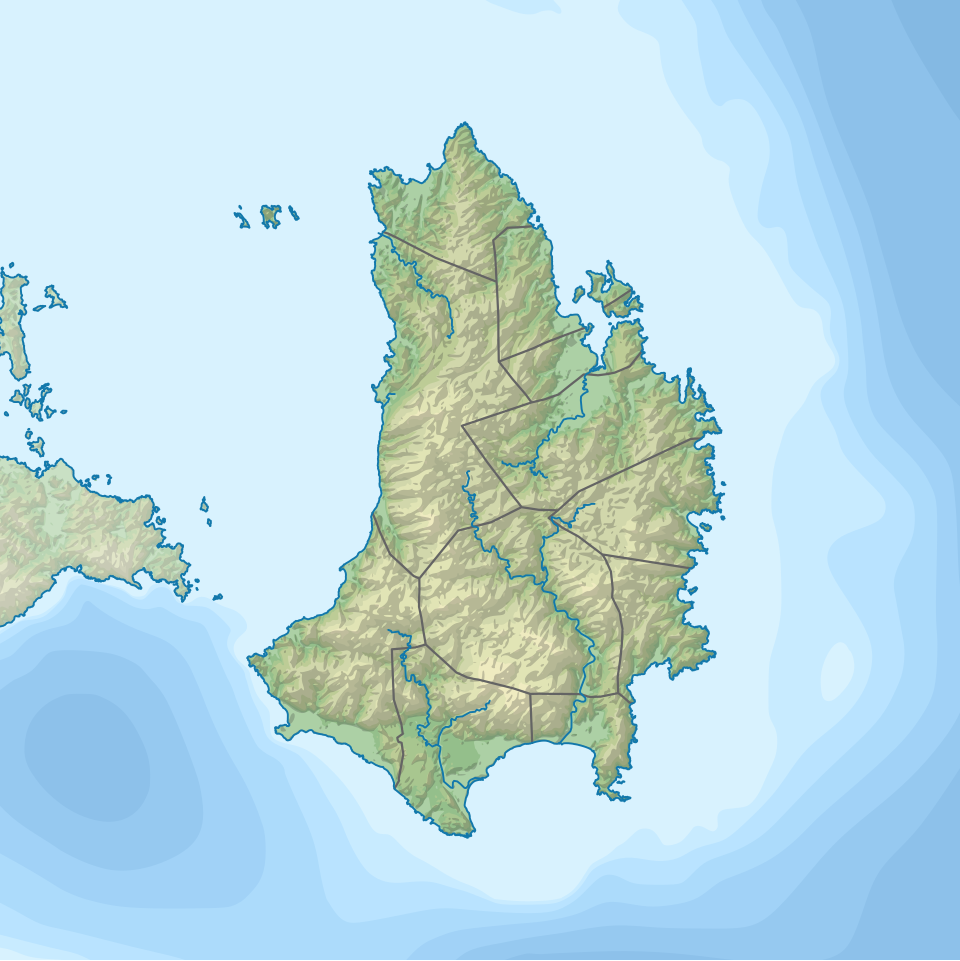
Catanduanes Island with Panay Island in the northeastern corner by Wikipedia commons
Panay Island, Catanduanes – Complete Informational Travel Blog (2026 Edition)
Panay Island is one of the lesser‑known yet culturally rich and naturally stunning islands in Catanduanes, located on the eastern side of Luzon facing the vast Philippine Sea. While Catanduanes is often called the “Land of the Howling Winds” due to its Pacific exposure, Panay Island and its surrounding towns offer a calmer, more intimate look at rural life, pristine beaches, and authentic Bicolano culture.
Panay Island is closely connected to the municipalities of Bagamanoc (northern portion of island) and Panganiban (southern portion of island), both of which serve as gateways to scenic coastal areas, historical landmarks, and off‑the‑beaten‑path adventures.
Demographic Overview
- Island Group:
- Luzon Island Group
- Region:
- Bicol (Region V)
- Province:
- Catanduanes
- Town(s):
- Bagamanoc: Northern portion of island
- Pananiban: Southern portion of island
- Island Barangays: 4
- Bagamanoc: 2
- Quigaray
- Suchan
- Pananiban: 2
- Babaguan
- Panay
- Bagamanoc: 2
- Island’s population 2020 census: 1,578 residents
- Bagamanoc: 1,020 residents
- Pananiban: 558 residents
- Land area: 11.88 sq. kilometers (4.59 sq. miles)
- Sea borders: The island lies within the Philippine Sea.

Location within Catanduanes province by Magalhães
Geography & Overview
Panay Island sits off the northeastern coast of Catanduanes and is known for:
- Quiet fishing communities
- Rugged coastlines
- Clear waters ideal for snorkeling
- Small coves and rock formations
- Rural landscapes and traditional Bicolano culture
It is perfect for travelers seeking peaceful, non-commercialized destinations.
by KakathaTV
Town of Bagamanoc
- 2020 population: 11,086 residents
- Barangays: 18
- Catanduanes Island: 16
- Panay Island: 2
Bagamanoc is a coastal municipality located on the northeastern tip of Catanduanes. It is known for its laid-back fishing villages, rocky beaches, and heritage sites.
Key Tourism Spots in Bagamanoc
- Bagamanoc Beach A long stretch of coastline with golden sand, gentle waves, and scenic rock formations. Ideal for sunrise viewing and quiet beach walks.
- Bagamanoc Lighthouse A small but picturesque lighthouse overlooking the Pacific. Great for photography and coastal sightseeing.
- Tawog Cave A natural cave formation with cool interiors and interesting rock textures. Local guides often share stories about its history.
- Bagamanoc Old Municipal Building (Ruins) A historical landmark that gives a glimpse of the town’s past. Popular among heritage enthusiasts.
- Local Fishing Villages Visitors can observe traditional fishing methods and interact with friendly locals.
by Dave Joson
Town of Panganiban (Formerly Payo)
- 2020 population: 9,713 residents
- Barangays: 23
- Catanduanes Island: 21
- Panay Island: 2
Panganiban, formerly known as Payo, is another quiet municipality near Panay Island. It is known for its rivers, mangrove areas, and coastal scenery.
Key Tourism Spots in Panganiban
- Panganiban River & Mangrove Belt A serene river system surrounded by mangroves. Perfect for nature photography and eco-tours.
- Payo Beach A peaceful beach with calm waters and a rural ambiance. Great for swimming and picnics.
- Panganiban View Decks Several elevated spots around the town offer panoramic views of the coastline and nearby islands.
- Local Heritage Sites Old churches and municipal structures reflect the town’s long-standing cultural identity.
Tourism Spots on Panay Island Itself
Panay Island has several natural attractions worth visiting:
1. Panay Island Beaches
Small coves and beaches with crystal-clear waters. These are mostly undeveloped, offering raw and untouched beauty.
2. Coral Gardens (Snorkeling Areas)
The waters around Panay Island host vibrant coral reefs and marine life. Ideal for snorkeling enthusiasts.
3. Coastal Rock Formations
Unique rock formations shaped by strong Pacific winds and waves. Great for photography.
4. Rural Trails & Hillside Views
Panay Island’s interior features gentle hills and rural trails perfect for light trekking.
How to Get There
From Virac (Capital of Catanduanes):
- Ride a jeepney or van bound for Bagamanoc or Panganiban (1.5–2 hours).
- From the town centers, hire a local boat to reach Panay Island.
by Caloy TV
Boat Travel to Panay Island:
- Small fishing boats are the primary transport.
- Travel time: 15–30 minutes, depending on weather.
Where to Stay
Panay Island itself has no major resorts, but nearby towns offer homestays and small inns:
Bagamanoc
- Local homestays
- Small beachfront cottages
Panganiban
- Guesthouses near the town center
- Rural homestays with local families
What to Eat
Expect traditional Bicolano dishes:
- Kinunot (stingray cooked in coconut milk)
- Laing
- Fresh seafood
- Local kakanin such as ibos and sinapot
Travel Tips
- Bring cash; ATMs are limited.
- Mobile signal may be weak in some areas.
- Hire local guides for boat trips and cave visits.
- Best months to visit: December to May (dry season).
- Respect local communities and their fishing areas.
Final Thoughts
Panay Island, along with the towns of Bagamanoc and Panganiban, offers a refreshing escape from crowded tourist spots. Its charm lies in its simplicity, natural beauty, and authentic rural culture. For travelers seeking quiet beaches, friendly locals, and off-the-grid adventures, this part of Catanduanes is a hidden gem worth exploring.
by fdrosa124