Explore ecotourism in the Philippines through sustainable travel, protected natural areas, and breathtaking landforms. Discover eco‑friendly destinations, cultural experiences, and links to guides on waterfalls, beaches, caves, lakes & rivers, volcanoes, wetlands, sandbars, and mountain ranges.
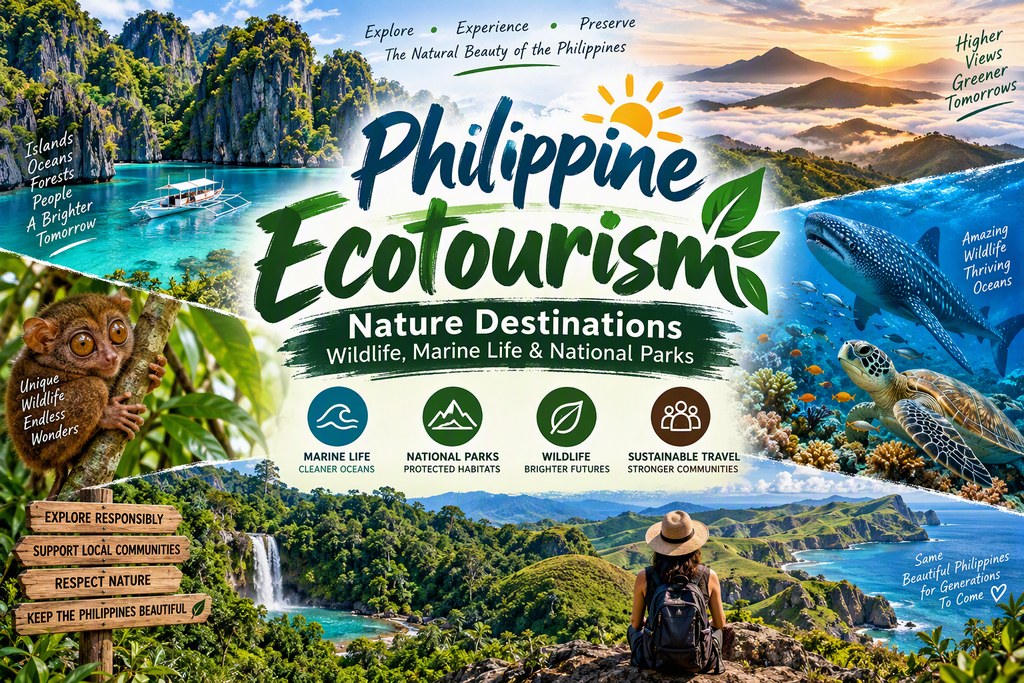
Ecotourism in the Philippines – Complete Sustainable Travel Guide
Ecotourism in the Philippines is more than just sightseeing—it’s a commitment to preserving natural environments, supporting local communities, and experiencing the country’s diverse ecosystems responsibly. With over 7,641 islands, the Philippines offers unmatched biodiversity, pristine landscapes, and cultural richness that make it one of Asia’s top destinations for eco‑friendly travel.
This comprehensive guide explores the principles of ecotourism, top destinations, sustainable travel practices, and direct links to your detailed landform pages, including Waterfalls, Beaches, Caves, Lakes & Rivers, Volcanoes, Wetlands, Sandbars, and Mountain Ranges.
What Makes the Philippines a Global Ecotourism Hotspot
The Philippines is uniquely positioned as a world leader in ecotourism due to its natural diversity, cultural heritage, and conservation efforts.
Rich Biodiversity Across Islands and Ecosystems
The country is home to:
- Over 52,000 species, many endemic
- UNESCO‑recognized natural wonders
- Marine sanctuaries and protected forests
- Rare wildlife such as the Philippine eagle, tarsier, and dugong
Diverse Natural Landforms
Ecotourism thrives in areas shaped by geology, climate, and centuries of natural evolution. Explore your landform guides:
- Waterfalls — jungle cascades and multi‑tiered falls
- Beaches — white, pink, black, and golden sands
- Caves — limestone chambers and underground rivers
- Lakes & Rivers — crater lakes, rafting rivers, and freshwater sanctuaries
- Volcanoes — active and dormant giants
- Wetlands — rice terraces, mangroves, marshes, and bird sanctuaries
- Sandbars — shifting white sand formations
- Mountain Ranges — cloud forests and trekking routes
- 15 Best Sustainable Destinations
Strong Community‑Based Tourism
Many ecotourism sites are managed by local communities, ensuring:
- Sustainable income
- Cultural preservation
- Responsible visitor management
Principles of Ecotourism in the Philippines
Conservation of Natural Environments
Ecotourism prioritizes protecting ecosystems through:
- Controlled visitor access
- Waste management programs
- Wildlife protection
- Marine sanctuary regulations
Support for Local Communities
Travelers contribute to local livelihoods by:
- Hiring community guides
- Purchasing local products
- Staying in homestays and eco‑lodges
Education and Cultural Exchange
Ecotourism encourages learning about:
- Indigenous cultures
- Traditional ecological knowledge
- Local conservation practices
Top Ecotourism Destinations in the Philippines
Palawan – The Crown Jewel of Philippine Ecotourism
Why Palawan Leads in Sustainable Tourism
Palawan is globally recognized for its pristine nature and conservation efforts. Key eco‑destinations include:
- Puerto Princesa Underground River (linked via Caves)
- El Nido’s limestone cliffs and lagoons
- Coron’s lakes and WWII shipwrecks
Ecotourism Activities
- Kayaking through mangroves
- Snorkeling in marine sanctuaries
- Trekking limestone formations
Bohol – Eco‑Cultural Tourism Hub
H4: Nature and Wildlife
Bohol offers a mix of natural wonders and cultural heritage:
- Chocolate Hills (linked via Mountain Ranges)
- Loboc River (linked via Lakes & Rivers)
- Tarsier Conservation Area
Eco‑Friendly Activities
- River cruises
- Cave exploration
- Forest walks
Siargao – Surfing Meets Sustainability
Nature Highlights
Siargao is known for:
- Cloud 9 surf break
- Sugba Lagoon
- Magpupungko Rock Pools
- Nearby waterfalls and rivers
Ecotourism Practices
- Plastic‑free tourism initiatives
- Marine conservation zones
- Community‑led tours
Samar – Caves, Rivers & Wetlands
Natural Wonders
Samar is a paradise for eco‑adventurers:
- Sohoton Caves & Natural Bridge Park (linked via Caves)
- Ulot River (linked via Lakes & Rivers)
- Taft Forests and wetlands
Activities
- Spelunking
- River torpedoing
- Wildlife watching
Mindanao – Volcanoes, Lakes & Waterfalls
Ecotourism Highlights
Mindanao offers:
- Mount Apo (linked via Volcanoes)
- Lake Sebu (linked via Lakes & Rivers)
- Asik‑Asik Falls (linked via Waterfalls)
Cultural Immersion
- T’boli weaving
- Indigenous homestays
- Traditional music and dance
Ecotourism Activities in the Philippines
Water‑Based Ecotourism
Lakes, Rivers & Wetlands
Explore freshwater ecosystems through:
- Kayaking
- River cruises
- Birdwatching
- Wetland tours
Visit your full guide: Lakes & Rivers and Wetlands.
Beaches & Sandbars
Eco‑friendly coastal activities include:
- Reef‑safe snorkeling
- Mangrove tours
- Sandbar hopping
See your guides: Beaches and Sandbars.
Land‑Based Ecotourism
Mountain Ranges & Volcanoes
Eco‑trekking allows visitors to explore:
- Cloud forests
- Volcanic landscapes
- Indigenous territories
Explore your guides: Mountain Ranges Volcanoes
Caves & Underground Rivers
Spelunking and cave tours highlight:
- Geological formations
- Subterranean rivers
- Archaeological sites
Visit your full guide: Caves.
Philippine Wildlife, Marine Life & National Parks
Explore Philippine wildlife, marine biodiversity, and national parks. Learn top ecotourism sites, conservation tips, and sustainable travel practices across the archipelago.
Discover the Philippines’ Rich Biodiversity
The Philippines is one of the world’s megadiverse countries, home to thousands of endemic species, vibrant coral reefs, and protected national parks that support ecotourism and conservation. This add‑on strengthens your landing page by highlighting key wildlife zones, marine sanctuaries, and national parks ideal for sustainable travel.
Philippine Wildlife: Forests, Highlands & Endemic Species
Related Guides
- Philippine Wildlife & Biodiversity Guide -– Endemic Species, Protected Areas & Ethical Tourism
Top Wildlife Destinations
- Philippine Eagle Center — Located in Davao, this conservation center protects the critically endangered Philippine Eagle.
- Mount Apo Natural Park — A biodiversity hotspot with rare mammals, birds, and lush montane forests.
- Sierra Madre Range — The country’s largest mountain range, home to cloud rats, hornbills, and diverse flora.
Key Wildlife Species
- Philippine Eagle — One of the world’s largest raptors.
- Tamaraw — Endemic dwarf buffalo found only in Mindoro.
- Visayan Warty Pig — A critically endangered species native to the Visayas.
Best Time to Visit
Dry season (December–May) offers optimal wildlife viewing conditions.
Marine Life: Coral Reefs, Sea Turtles & Marine Sanctuaries
Top Marine Ecotourism Sites
- Tubbataha Reefs Natural Park — UNESCO site with 600+ fish species and pristine coral walls.
- Apo Reef Natural Park — The second-largest contiguous coral reef in the world.
- Balicasag Island — Known for sea turtles, jackfish schools, and vibrant coral gardens.
Iconic Marine Species
- Green Sea Turtle
- Whale Shark
- Giant Clams
Responsible Marine Tourism Tips
- Avoid touching corals or marine animals.
- Choose accredited eco‑friendly dive operators.
- Follow local conservation rules in marine protected areas.
National Parks: Protected Areas for Ecotourism
Top National Parks to Explore
- Batanes Protected Landscape & Seascape — Rolling hills, cliffs, and rich cultural heritage.
- Puerto Princesa Subterranean River National Park — UNESCO site with limestone karsts and underground river tours.
- Mount Pulag National Park — Famous for its “sea of clouds” and endemic species.
Ecotourism Activities
- Birdwatching
- Guided forest treks
- River cruises
- Marine sanctuary snorkeling
- Cultural immersion with local communities
Where to Stay: Eco‑Friendly Lodging Options
Recommended Eco‑Resorts & Lodges
- Daluyon Beach & Mountain Resort – Puerto Princesa
- Fundacion Pacita – Batanes
- Apo Reef Club – Mindoro
- Siargao Bleu – Siargao Island
What Makes a Stay Eco‑Friendly
- Solar‑powered facilities
- Waste‑reduction programs
- Local community partnerships
- Marine and wildlife conservation support
Sustainable Travel Tips for Ecotourists
Minimize Environmental Impact
Follow Leave‑No‑Trace Principles
- Dispose of waste properly
- Avoid disturbing wildlife
- Stay on designated trails
Use Eco‑Friendly Products
- Reef‑safe sunscreen
- Biodegradable toiletries
- Reusable water bottles
Support Local Communities
Choose Community‑Run Tours
Local guides provide:
- Cultural insights
- Safety
- Authentic experiences
Buy Local
Support artisans by purchasing:
- Handwoven textiles
- Local delicacies
- Indigenous crafts
Respect Cultural Traditions
Learn Local Customs
Understanding cultural norms enhances:
- Visitor experience
- Community relationships
Practice Responsible Photography
- Ask permission
- Avoid sensitive cultural moments
Best Time for Ecotourism in the Philippines
Dry Season (November–May)
Ideal for:
- Beaches
- Caves
- Waterfalls
- Mountain treks
- Wildlife viewing
Wet Season (June–October)
Best for:
- Lush forests
- Full waterfalls
- Wetland tours
Why Ecotourism Matters for the Philippines
Protects Natural Resources
Ecotourism helps preserve:
- Coral reefs
- Forests
- Wildlife habitats
Strengthens Local Economies
Sustainable tourism provides:
- Jobs
- Community development
- Cultural preservation
Ensures Long‑Term Tourism Sustainability
Responsible travel ensures future generations can enjoy the Philippines’ natural beauty.
Explore the Philippines Through Its Natural Landforms
Your ecotourism landing page connects directly to your detailed landform guides:
- Waterfalls
- Top 15 Beach Destinations in the Philippines
- 15 Best Sustainable Destinations
- Caves
- Lakes & Rivers
- Volcanoes
- Wetlands
- Sandbars
- Mountain Ranges
These pages help travelers explore the Philippines responsibly while supporting conservation and local communities.