Philippine Festivals Master Guide: Celebrating Culture, Faith, and Community Across the Philippines
Discover the Philippines’ most famous festivals, from Sinulog and Ati-Atihan to Panagbenga and Kadayawan. Learn festival dates, traditions, locations, and travel tips for experiencing the country’s most colorful celebrations.
culturalfestivals.blogspots.com
Introduction
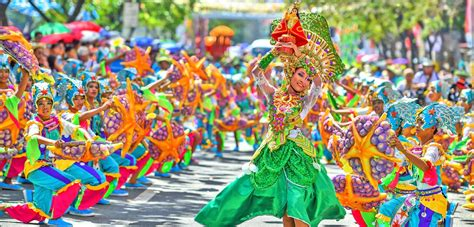
The Philippines is home to some of Asia’s most colorful, vibrant, and culturally significant festivals. From grand religious processions and harvest celebrations to tribal gatherings and street dance competitions, festivals are deeply woven into Filipino culture.
Known locally as fiestas, these celebrations honor patron saints, commemorate historical events, preserve indigenous traditions, and strengthen community bonds. Whether you’re planning a trip around a specific event or simply want to learn more about Philippine culture, this guide provides an overview of the country’s most famous festivals and traditions.
Quick Festival Directory
January
- Sinulog Festival (Cebu City)
- Ati-Atihan Festival (Kalibo, Aklan)
- Dinagyang Festival (Iloilo City)
February
- Panagbenga Festival (Baguio City)
March
- Kaamulan Festival (Bukidnon)
April
- Bangus Festival (Dagupan City)
- Holy Week Celebrations
May
- Pahiyas Festival (Lucban, Quezon)
- Flores de Mayo
June
- Pintados-Kasadyaan Festival (Leyte)
- Various Town Fiestas
July
- T’nalak Festival (South Cotabato)
August
- Kadayawan Festival (Davao City)
October
- MassKara Festival (Bacolod City)
- Zamboanga Hermosa Festival
November
- Higantes Festival (Angono, Rizal)
December
- Giant Lantern Festival
- Christmas Celebrations
- New Year Festivals
Why Festivals Are Important in the Philippines
Philippine festivals reflect centuries of indigenous traditions, Spanish influence, Catholic faith, local customs, and regional identity.
Festivals often serve several purposes:
- Honoring patron saints
- Celebrating successful harvests
- Preserving indigenous culture
- Commemorating historical events
- Strengthening community ties
- Supporting local tourism and economies
Today, these celebrations range from small barangay fiestas to internationally recognized events attracting visitors from around the world.
Understanding Philippine Fiesta Culture
The word fiesta comes from Spanish and means “celebration” or “feast.”
Nearly every city, municipality, and barangay in the Philippines hosts an annual fiesta. These celebrations often involve:
- Religious processions
- Street dancing
- Cultural performances
- Community feasts
- Concerts
- Beauty pageants
- Fireworks
- Sporting events
Visitors are often welcomed warmly and encouraged to participate, reflecting the famous hospitality of the Filipino people.
Best Philippine Festivals for Different Travelers
Best Religious Festivals
- Sinulog Festival
- Ati-Atihan Festival
- Moriones Festival
Best Cultural Festivals
- Dinagyang Festival
- Kaamulan Festival
- Kadayawan Festival
Best Photography Festivals
- Panagbenga Festival
- Pahiyas Festival
- MassKara Festival
Best Food Festivals
- Bangus Festival
- Kadayawan Festival
Best Family-Friendly Festivals
- Panagbenga Festival
- MassKara Festival
Philippine Festivals by Island Group
Luzon Festivals
- Panagbenga Festival
- Pahiyas Festival
- Higantes Festival
- Moriones Festival
- Bangus Festival
- Magayon Festival
Visayas Festivals
- Sinulog Festival
- Ati-Atihan Festival
- Dinagyang Festival
- MassKara Festival
- Pintados-Kasadyaan Festival
Mindanao Festivals
- Kadayawan Festival
- Kaamulan Festival
- T’nalak Festival
- Zamboanga Hermosa Festival
- Araw ng Dabaw
Most Famous Festivals in the Philippines
| Festival | Location | Month | Type |
|---|---|---|---|
| Sinulog | Cebu | January | Religious |
| Ati-Atihan | Aklan | January | Religious / Cultural |
| Dinagyang | Iloilo | January | Religious / Cultural |
| Panagbenga | Baguio | February | Flower Festival |
| Pahiyas | Quezon | May | Harvest Festival |
| Kadayawan | Davao | August | Cultural / Harvest |
| MassKara | Bacolod | October | Cultural |
Sinulog Festival
by kgmresorts.com
Location: Cebu City, Cebu
When: January
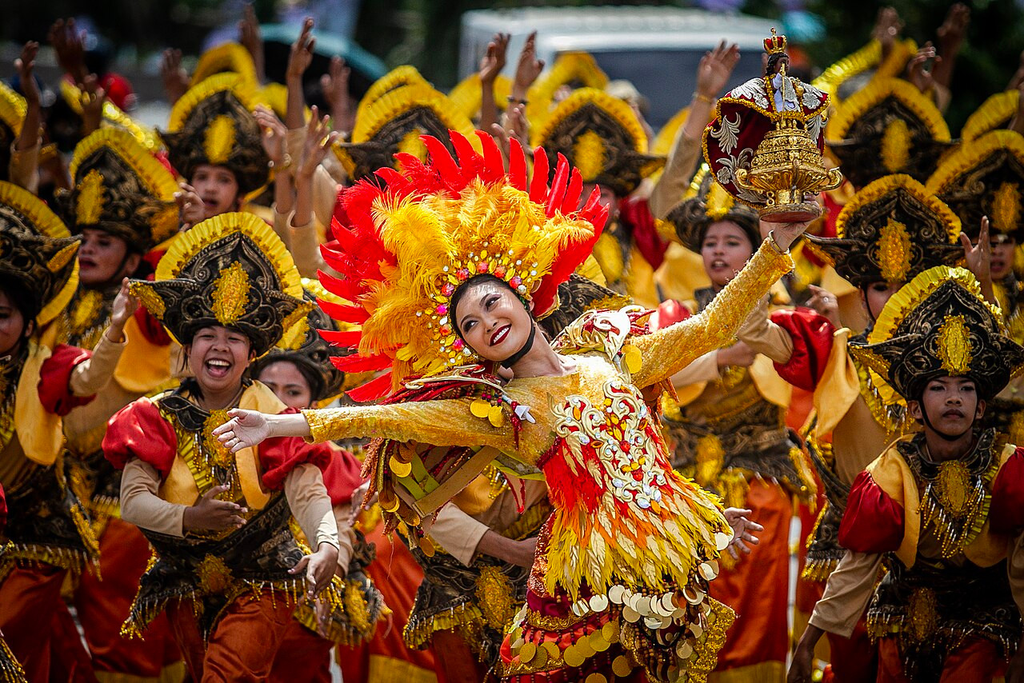
Sinulog is one of the largest and most famous festivals in the Philippines. Held in honor of the Santo Niño (Child Jesus), the festival commemorates the arrival of Christianity in Cebu and celebrates the city’s deep religious heritage. Millions of devotees and visitors gather each year to participate in religious activities, cultural events, and grand street celebrations.
The festival is best known for its vibrant street dancing, where performers move to the rhythmic beat of drums while performing the traditional two-step Sinulog dance. Alongside the cultural festivities, religious processions and church services remain at the heart of the celebration, making Sinulog both a spiritual and cultural experience.
Highlights
- Fireworks displays
- Grand street parade
- Santo Niño religious processions
- Traditional Sinulog dance performances
- Cultural exhibitions
Ati-Atihan Festival
camella.com.ph
Location: Kalibo, Aklan
When: January
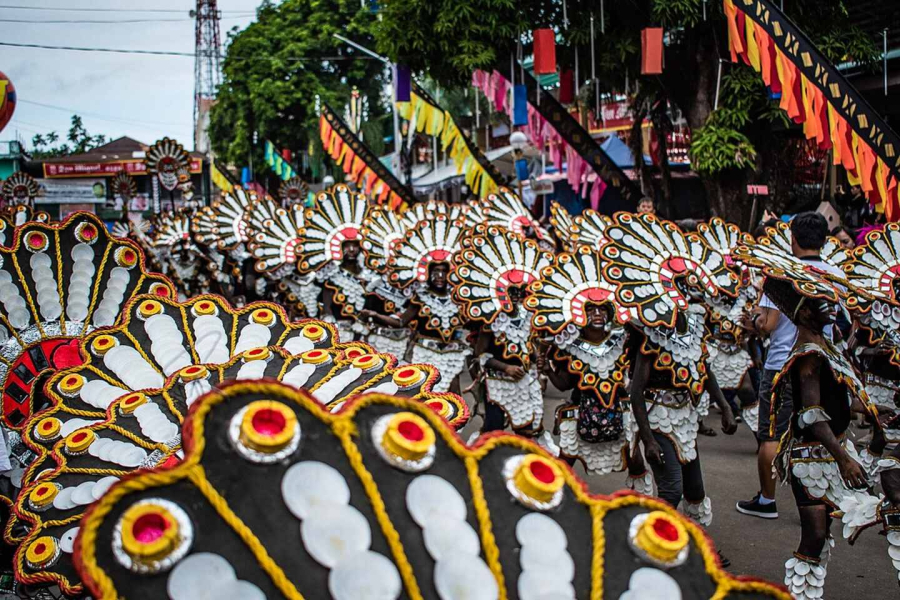
Often called the “Mother of All Philippine Festivals,” Ati-Atihan honors the Santo Niño while celebrating the heritage of the indigenous Ati people of Panay Island. The festival is known for its energetic atmosphere, loud drumbeats, and colorful street celebrations.
Participants paint their faces and bodies, wear elaborate costumes, and join lively processions that move through the streets of Kalibo. The festival blends religious devotion with cultural traditions, creating one of the country’s most immersive and exciting celebrations.
Highlights
- Cultural heritage displays
- Body paint and tribal-inspired costumes
- Street dancing and drum performances
- Religious ceremonies
- Community celebrations
Dinagyang Festival
by pilipinas.com
Location: Iloilo City
When: January
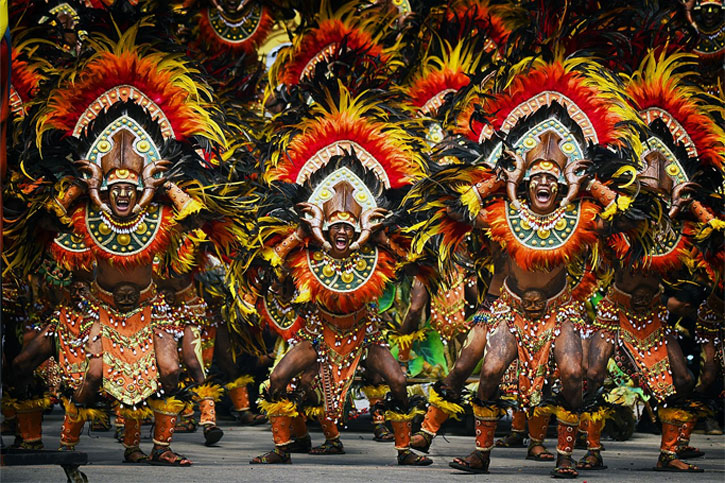
Dinagyang Festival is one of the Philippines’ most visually spectacular cultural celebrations. Originally inspired by Ati-Atihan, Dinagyang has evolved into a world-class festival featuring choreographed dance competitions, theatrical performances, and impressive costumes.
The festival honors the Santo Niño while showcasing the history, culture, and creativity of Iloilo. Its highly competitive performances and organized events have earned Dinagyang recognition as one of the country’s premier festivals.
Highlights
- Food and entertainment events
- Award-winning dance competitions
- Elaborate costumes and makeup
- Cultural performances
- Religious celebrations
Panagbenga Festival
by ebsya.com
Location: Baguio City
When: February
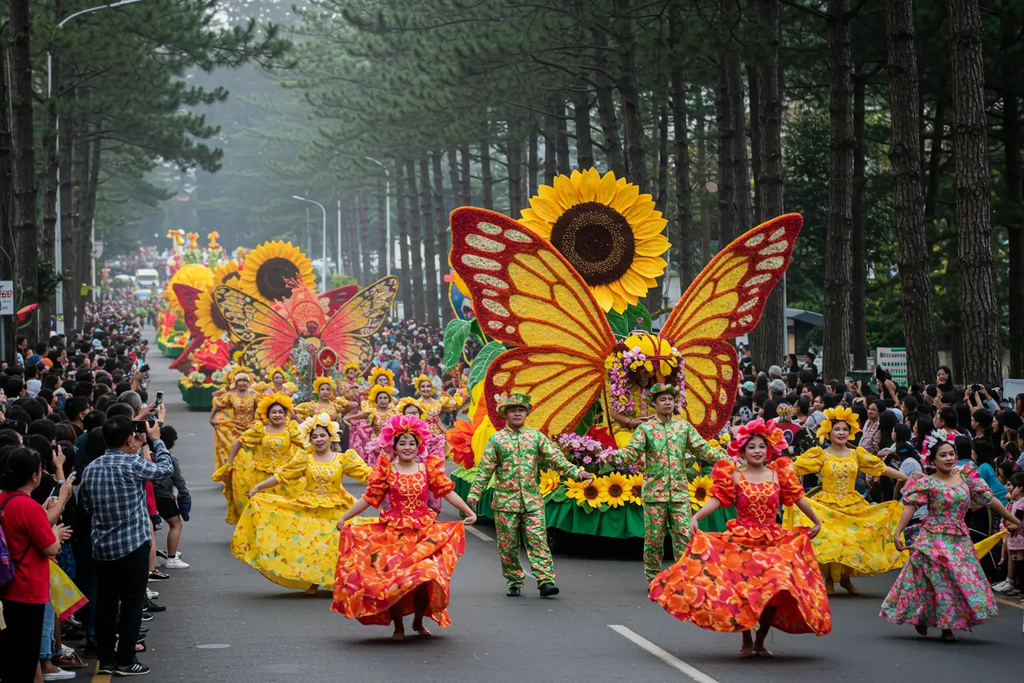
Panagbenga, meaning “season of blooming,” is Baguio City’s annual flower festival. Established to celebrate the city’s resilience and natural beauty, the event has grown into one of Northern Luzon’s most popular cultural attractions.
Throughout February, Baguio’s streets come alive with flower-covered floats, street dancers, garden displays, and cultural presentations. The city’s cool climate and colorful scenery make Panagbenga a favorite destination for visitors from across the Philippines.
Highlights
- Local artisan markets
- Spectacular flower float parade
- Street dancing competitions
- Garden and floral displays
- Cultural events
Pahiyas Festival
by qaqooking.com
Location: Lucban, Quezon
When: May
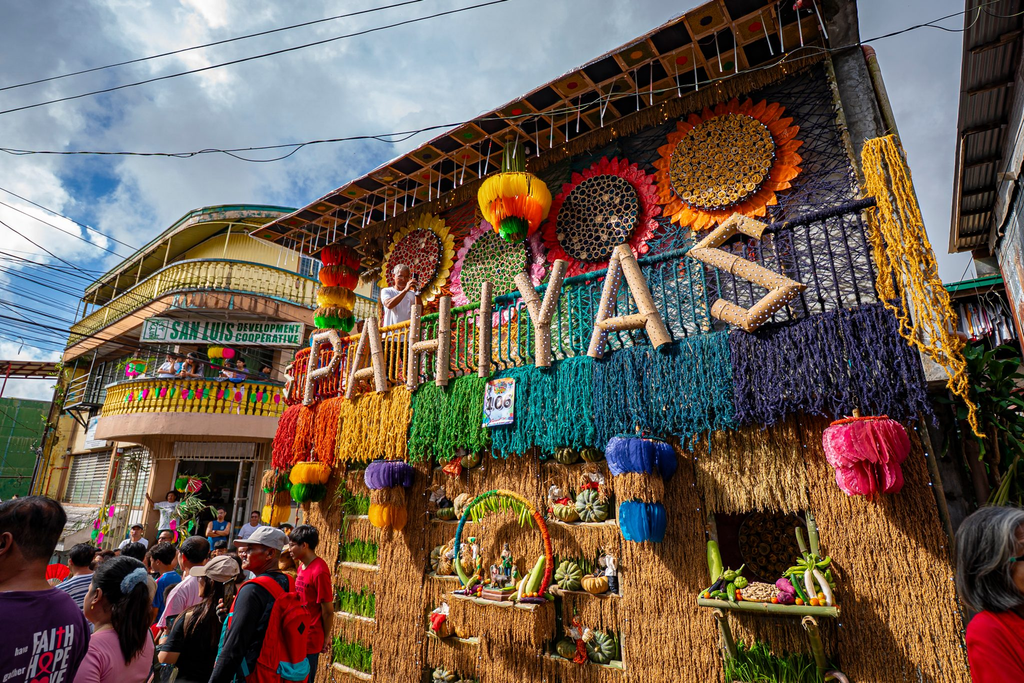
Pahiyas Festival is one of the most visually unique celebrations in the Philippines. Held in honor of San Isidro Labrador, the patron saint of farmers, the festival gives thanks for a successful harvest.
Residents decorate their homes with agricultural products, fruits, vegetables, and colorful kiping ornaments made from rice wafers. The result is a stunning display of creativity that transforms the entire town into an open-air art exhibit.
Highlights
- Colorful house decorations
- Kiping displays
- Agricultural exhibits
- Cultural performances
- Harvest celebrations
MassKara Festival
by depositphotos.com
Location: Bacolod City
When: October
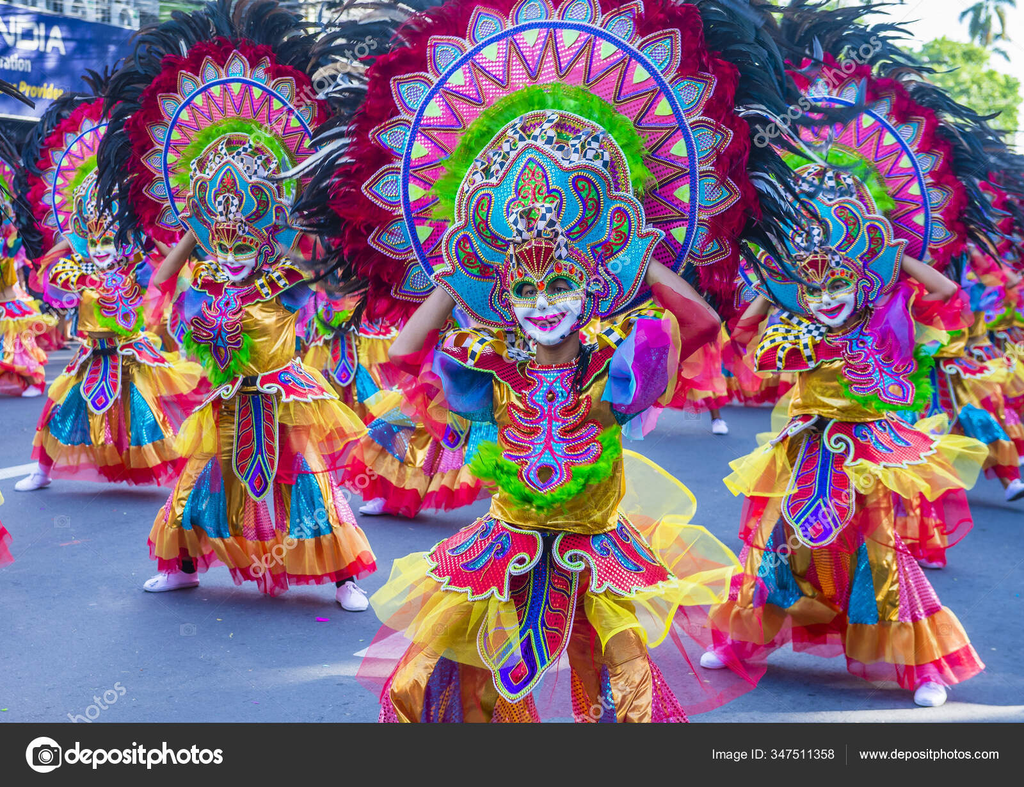
MassKara Festival is known for its colorful smiling masks and joyful atmosphere. Created during a period of economic hardship, the festival became a symbol of optimism, resilience, and community spirit in Bacolod City.
Today, MassKara attracts thousands of visitors who come to experience lively street dancing, night events, costume competitions, and cultural performances. The festival remains one of the most recognizable celebrations in the Philippines.
Highlights
- Smiling mask competitions
- Street dance performances
- Night festivals and concerts
- Food fairs
- Cultural shows
Kadayawan Festival
by ar.inspiriredpencil.com
Location: Davao City
When: August
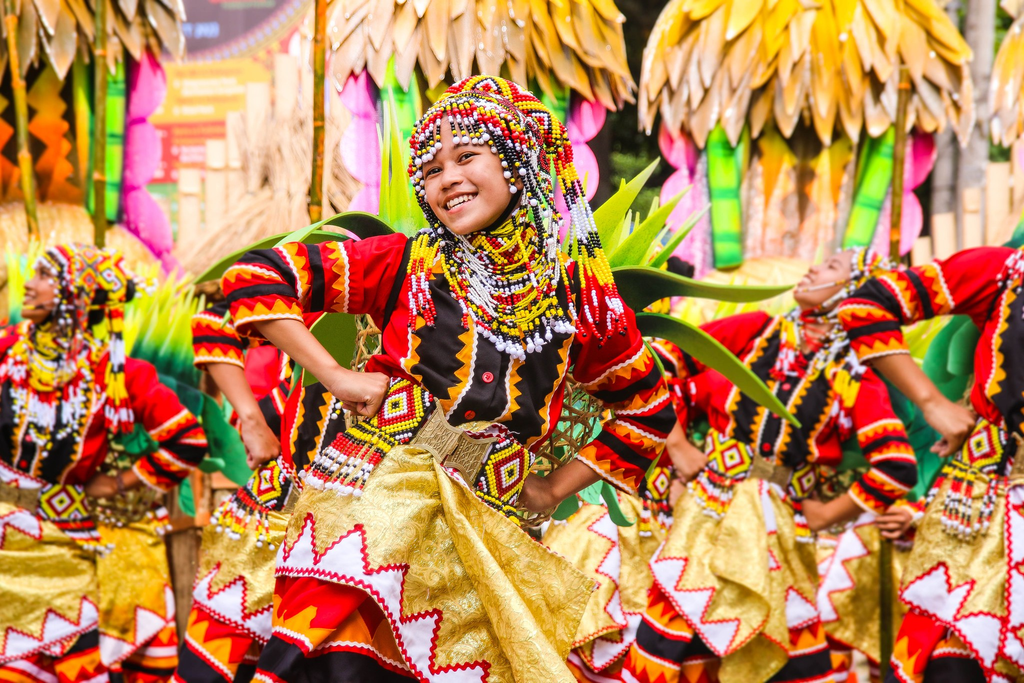
Kadayawan Festival celebrates the cultural diversity, agricultural abundance, and indigenous heritage of Davao Region. The festival brings together various ethnolinguistic groups to showcase their traditions, crafts, performances, and way of life.
As a thanksgiving celebration, Kadayawan highlights the region’s rich harvests, fertile lands, and vibrant communities. Visitors can enjoy colorful parades, tribal dances, floral displays, and exhibits featuring local products and culture.
Highlights
- Davao regional showcases
- Tribal and cultural performances
- Street dancing competitions
- Floral and fruit displays
- Indigenous cultural exhibitions
Other Notable Philippine Festivals
| Festival | Location | Month | Type |
|---|---|---|---|
| Moriones Festival | Marinduque | Holy Week | Religious |
| Higantes Festival | Angono, Rizal | November | Cultural |
| Kaamulan Festival | Bukidnon | February-March | Indigenous / Cultural |
| T’nalak Festival | South Cotabato | July | Cultural / Indigenous |
| Bangus Festival | Dagupan | April | Food / Cultural |
| Pintados-Kasadyaan | Leyte | June | Cultural / Historical |
| Magayon Festival | Albay | May | Cultural / Historical |
| Zamboanga Hermosa | Zamboanga City | October | Religious / Cultural |
| Araw ng Dabaw | Davao City | March | Civic / Cultural |
Planning Your Festival Trip
Flights
Book flights early for major festivals.
Hotels
Reserve accommodations months in advance.
Travel Insurance
Consider coverage for trip disruptions and medical emergencies.
eSIMs
Stay connected for maps, transportation, and bookings.
Local Transportation
Expect traffic, road closures, and large crowds.
Tips for Attending Festivals in the Philippines
- Book accommodations early
- Arrive before major events begin
- Stay hydrated
- Dress comfortably
- Respect religious traditions
- Carry cash for local vendors
Festivals and Philippine Tourism
Festivals play an important role in Philippine tourism by attracting both domestic and international visitors throughout the year. Major celebrations such as Sinulog, Ati-Atihan, Dinagyang, Panagbenga, MassKara, and Kadayawan draw thousands of tourists who travel to experience local traditions, cultural performances, and community celebrations firsthand.
Festival tourism provides significant economic benefits for local communities. Increased visitor spending supports hotels, restaurants, transportation providers, tour operators, market vendors, and small businesses. Many festivals also provide opportunities for local artisans, performers, and cultural groups to showcase their talents and preserve traditional practices.
Beyond their economic impact, festivals help preserve cultural heritage by passing traditions, stories, dances, music, and religious customs from one generation to the next. They also enable travelers to experience a more authentic side of the Philippines beyond popular beaches and tourist destinations.
As Philippine tourism continues to grow, festivals remain one of the country’s most important cultural attractions, offering visitors a unique opportunity to connect with local communities and experience Filipino hospitality at its best.
Planning Your Festival Adventure
Whether you’re interested in religious traditions, indigenous heritage, cultural performances, food experiences, or colorful street celebrations, the Philippines offers a festival for every type of traveler.
Visitors planning a festival-centered trip should consider the timing of events, weather conditions, transportation options, and accommodation availability. Major festivals can attract large crowds, making advance planning especially important during peak travel periods.
Many travelers combine festival experiences with visits to nearby attractions. A Sinulog trip can be paired with exploring Cebu’s beaches and historical sites, while visitors attending Panagbenga often spend additional time discovering the mountains and scenic landscapes of the Cordillera Region. Those visiting Kadayawan can explore Davao’s cultural attractions, parks, and nearby nature destinations.
Planning your itinerary around a festival can transform an ordinary vacation into a memorable cultural experience while providing deeper insight into the traditions, history, and diversity of the Philippines.
Explore Festivals by Region
The Philippines hosts hundreds of festivals throughout the year, with every region featuring its own unique traditions and celebrations.
| Region | Notable Festivals |
|---|---|
| NCR | Local city festivals and cultural events |
| Central Luzon | Giant Lantern Festival |
| CALABARZON | Pahiyas Festival |
| Bicol | Magayon Festival |
| Western Visayas | Ati-Atihan, Dinagyang, MassKara |
| Central Visayas | Sinulog Festival |
| Eastern Visayas | Pintados-Kasadyaan Festival |
| Northern Mindanao | Kaamulan Festival |
| Davao Region | Kadayawan, Araw ng Dabaw |
| SOCCSKSARGEN | T’nalak Festival |
| Zamboanga Peninsula | Zamboanga Hermosa Festival |
Exploring festivals by region is a great way to discover celebrations that coincide with your travel plans. Many travelers find smaller regional festivals to be just as rewarding as the country’s nationally famous events, often providing a more intimate and authentic cultural experience.
Ready to Explore More of the Philippines?
- Philippine Culture and Traditions
- Luzon Travel Guide
- Visayas Travel Guide
- Mindanao Travel Guide
- Major Philippine Cities
- Philippine Food Guide
- Philippine Religious Sites Guide
- Philippine Island Travel Guides
Related Philippines Guides
Continue exploring Philippine culture, travel destinations, and traditions with these guides:
- Philippine Culture and Traditions Guide
- Philippine Cultural Travel Guide
- Philippine Food Guide
- Philippine Religious Sites Guide
- Major Cities of the Philippines
- Luzon Travel Guide
- Visayas Travel Guide
- Mindanao Travel Guide
- Philippine Island Travel Guides
- Philippine Historical Sites Guide
- Philippine Wildlife Guide
Conclusion: Experience the Celebrations That Bring the Philippines to Life
Philippine festivals are far more than colorful parades and street celebrations. They are expressions of faith, culture, history, identity, and community that showcase the rich diversity of the Filipino people. Whether you’re witnessing Sinulog in Cebu, Panagbenga in Baguio, MassKara in Bacolod, or Kadayawan in Davao, each festival provides a unique opportunity to experience the traditions and hospitality that make the Philippines one of Southeast Asia’s most fascinating destinations.
This version gives you a clean pillar page with no duplication, proper hierarchy, two useful festival tables, a regional discovery table, and plenty of future internal-linking opportunities.