Philippine Marine Life Guide: Species, Coral Reefs & Conservation
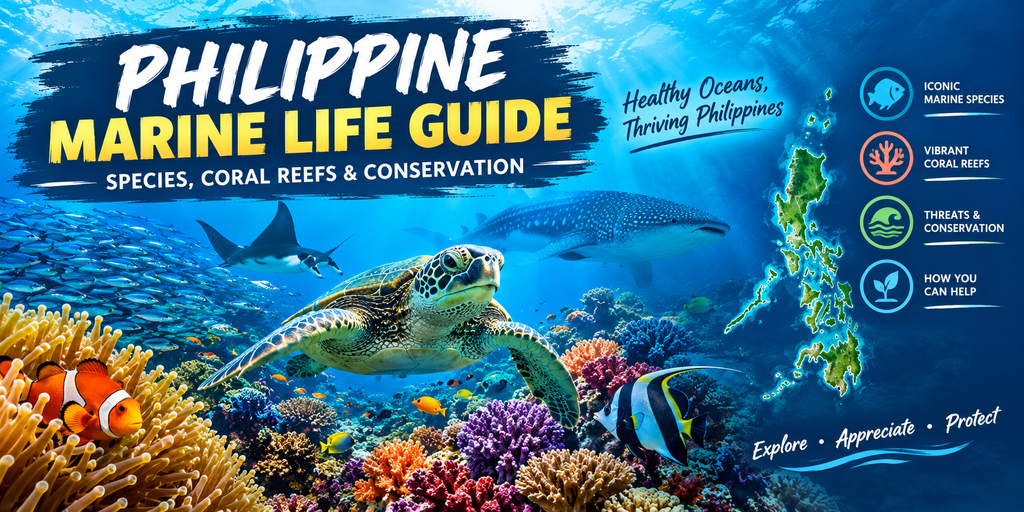
Explore the rich marine life of the Philippines, from whale sharks and sea turtles to colorful coral reefs. Learn about species, habitats, conservation efforts, and the best places to experience marine biodiversity.
Philippine Marine Life Guide: Discover the Incredible Underwater World of the Philippines
The Philippines is widely regarded as one of the world’s premier marine biodiversity hotspots. Situated within the Coral Triangle, the country is home to thousands of marine species, extensive coral reef systems, thriving seagrass meadows, and vital mangrove forests. From massive whale sharks and graceful manta rays to tiny nudibranchs and vibrant reef fish, Philippine waters support an astonishing variety of life.
With more than 7,600 islands and thousands of kilometers of coastline, the Philippines offers countless opportunities to encounter marine wildlife while highlighting the importance of conservation and sustainable tourism.
This guide explores the remarkable marine ecosystems, species, habitats, and conservation efforts that make the Philippines a global marine treasure.
Quick Facts About Philippine Marine Life
| Feature | Information |
|---|---|
| Geographic Region | Coral Triangle |
| Coastline Length | Over 36,000 km |
| Number of Islands | More than 7,600 |
| Coral Reef Species | Hundreds of hard and soft coral species |
| Reef Fish Species | More than 2,000 |
| Sea Turtle Species | 5 |
| Marine Mammals | 30+ species |
| Major Habitats | Coral reefs, seagrass, mangroves, deep sea ecosystems |
| Notable Species | Whale shark, dugong, manta ray, sea turtles |
Why the Philippines Is a Global Marine Biodiversity Hotspot
The Philippines occupies a central position within the Coral Triangle, often called the “Amazon Rainforest of the Sea.” This region contains the highest concentration of marine biodiversity on Earth.
Several factors contribute to this extraordinary richness:
- Warm tropical waters year-round
- Complex ocean currents
- Thousands of islands creating diverse habitats
- Extensive coral reef systems
- Healthy seagrass and mangrove ecosystems
- Deep ocean trenches supporting unique marine life
Scientists continue to discover new marine species in Philippine waters, emphasizing the country’s global importance for marine conservation.
Major Marine Ecosystems of the Philippines
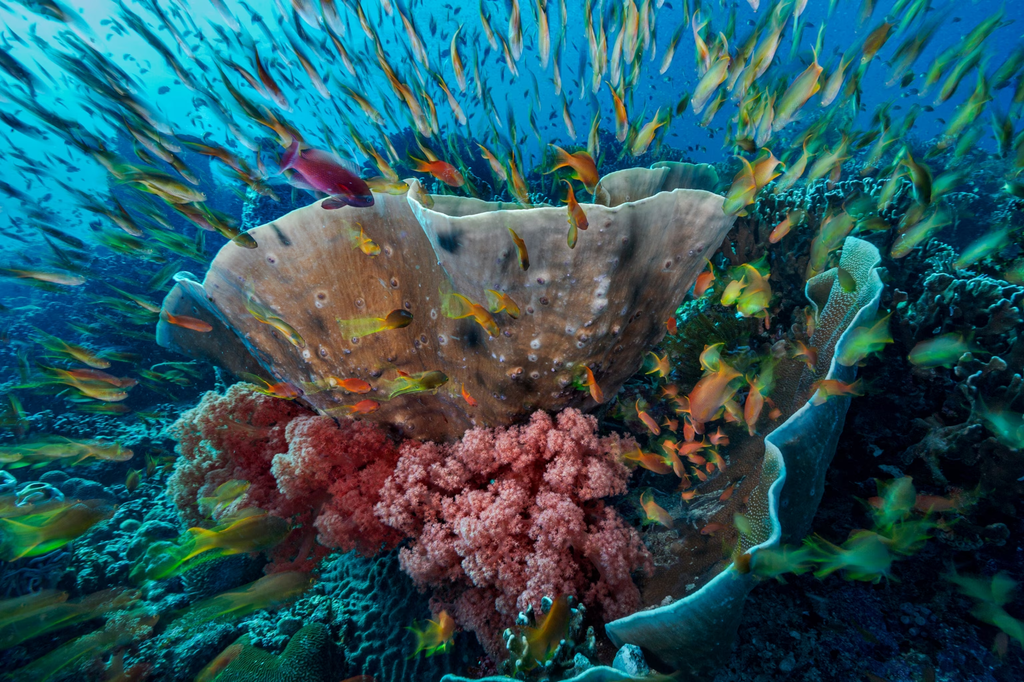
Coral Reefs
by ar.inspiredpencil.com
Coral reefs form the foundation of Philippine marine biodiversity.
These underwater ecosystems:
- Shelter thousands of species
- Protect coastlines from erosion
- Support fisheries
- Attract marine tourism
Famous reef destinations include:
- Tubbataha Reefs Natural Park
- Apo Reef Natural Park
- Balicasag Island
- Anilao
- Moalboal
- Coron
Seagrass Meadows
by dugongseagrass.org
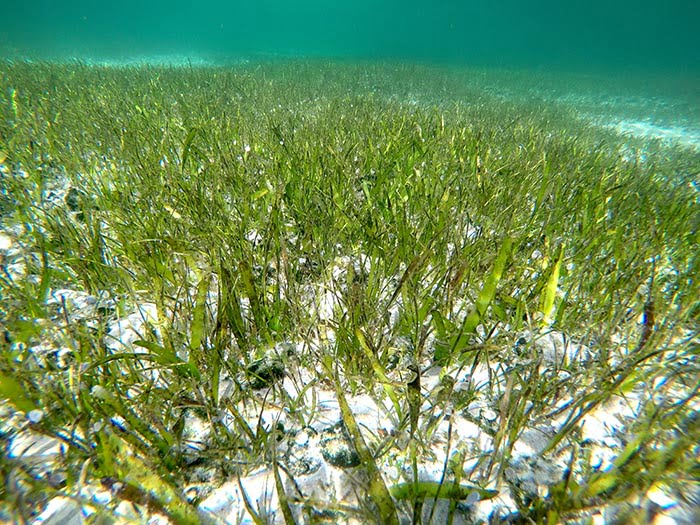
Seagrass beds are often overlooked but play a critical role in marine ecosystems.
They provide:
- Feeding grounds for dugongs
- Nursery habitats for fish
- Carbon storage
- Water filtration
Healthy seagrass meadows can be found throughout Palawan, Mindoro, Bohol, and portions of Mindanao.
Mangrove Forests
by flickriver.com
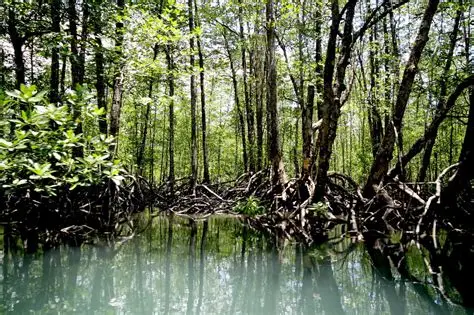
Mangroves bridge the gap between land and sea.
Benefits include:
- Coastal protection
- Fish breeding grounds
- Carbon sequestration
- Storm surge reduction
Palawan and Mindanao contain some of the country’s most important mangrove ecosystems.
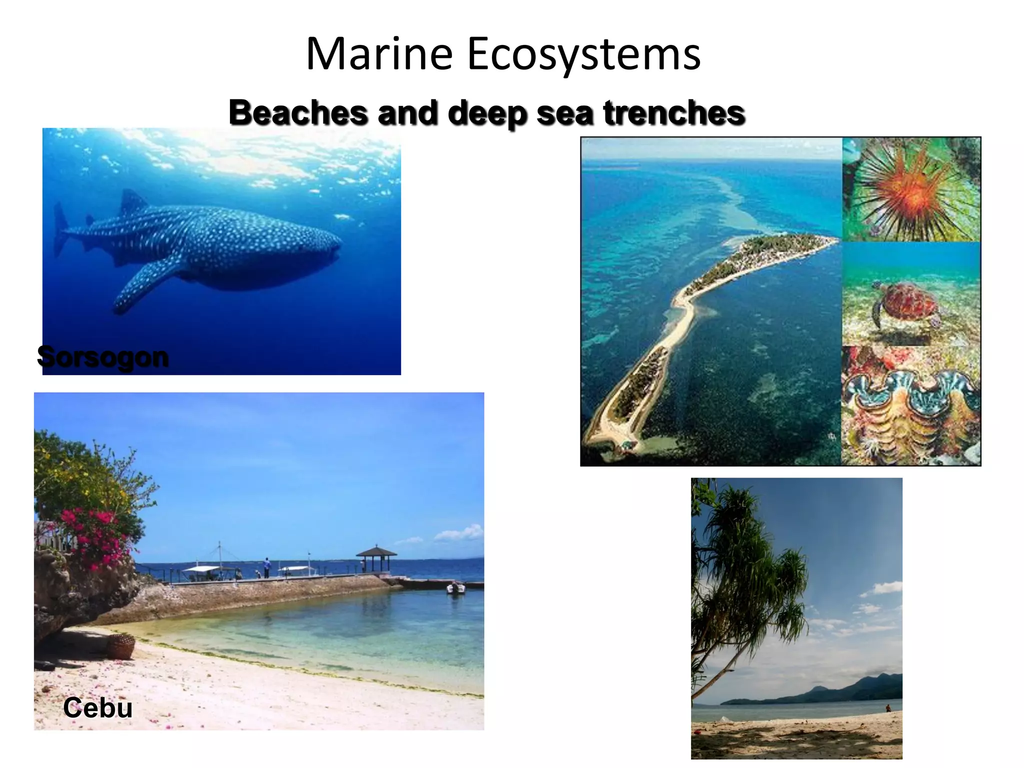
by slideshare.com
The Philippines contains some of the deepest waters on Earth.
These habitats support:
- Deep-water sharks
- Rare cephalopods
- Deep-sea fish species
- Unique invertebrates
Much of this environment remains unexplored.
Iconic Marine Animals of the Philippines
Whale Sharks
by exploringanimals.com
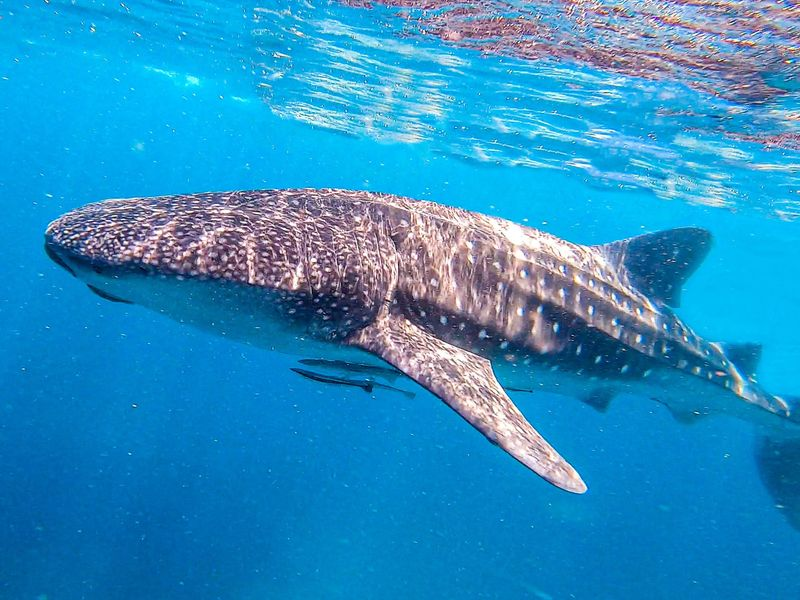
Whale sharks are the largest fish in the world.
Characteristics:
- Reach lengths exceeding 12 meters
- Feed primarily on plankton
- Harmless to humans
- Found seasonally in several regions
Top Locations:
- Donsol
- Southern Leyte
- Oslob
Dugongs
by fity.club
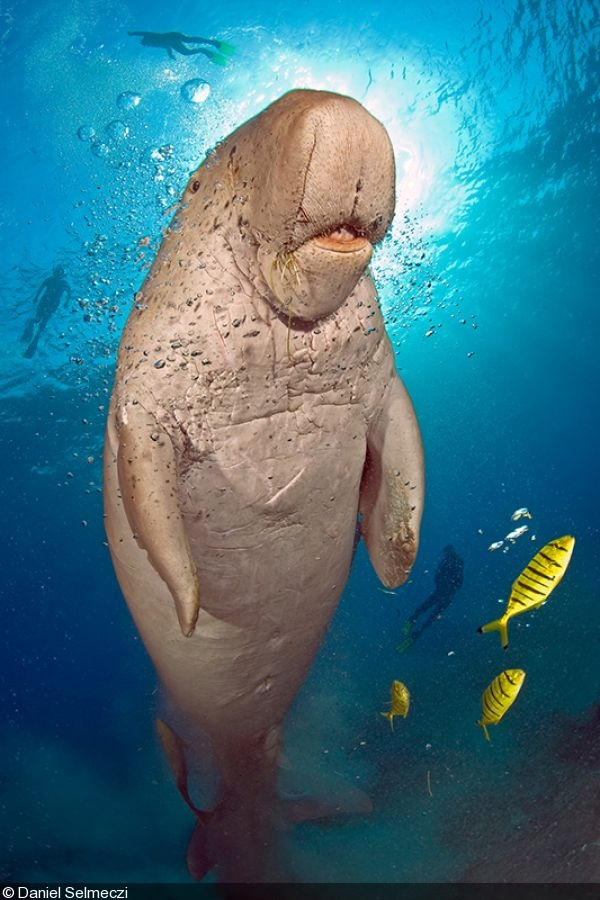
Often called “sea cows,” dugongs are among the Philippines’ most endangered marine mammals.
They depend heavily on healthy seagrass beds.
Best Locations:
- Palawan
- Mindoro
- Certain areas of Mindanao
Sea Turtles
by istockphoto.com
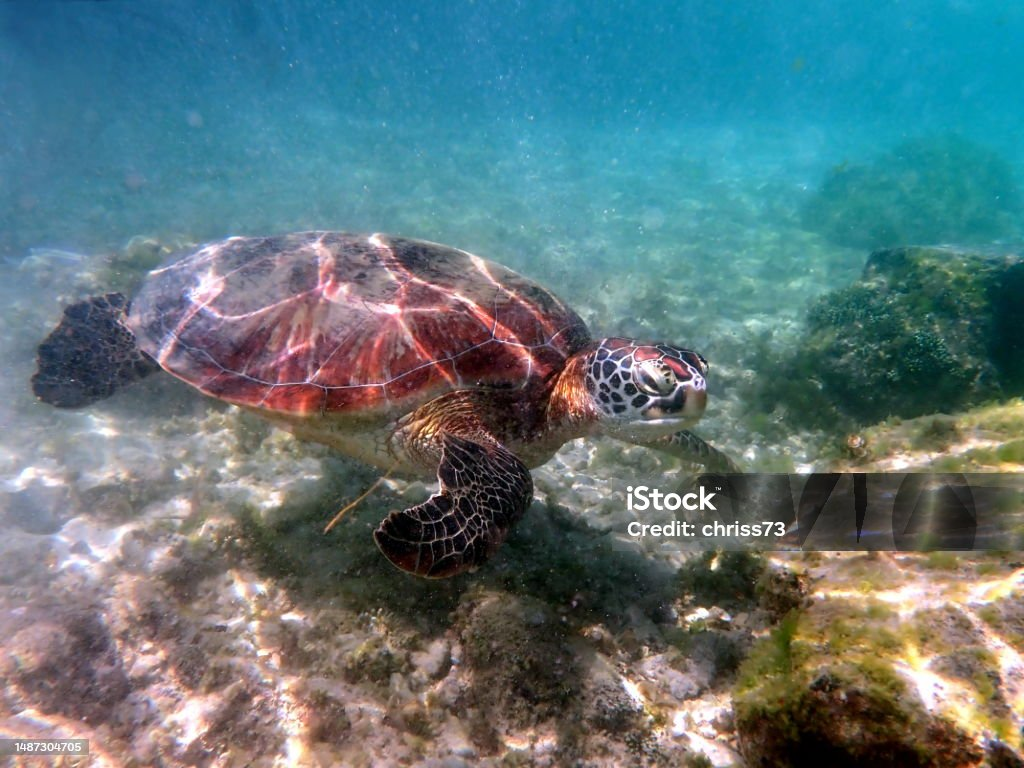
Five species of sea turtles occur in Philippine waters.
These include:
- Green Turtle
- Hawksbill Turtle
- Olive Ridley Turtle
- Loggerhead Turtle
- Leatherback Turtle
Important nesting and feeding sites exist throughout Palawan, Bohol, and eastern Philippine coastlines.
Dolphins and Whales
by au.pinterest.com
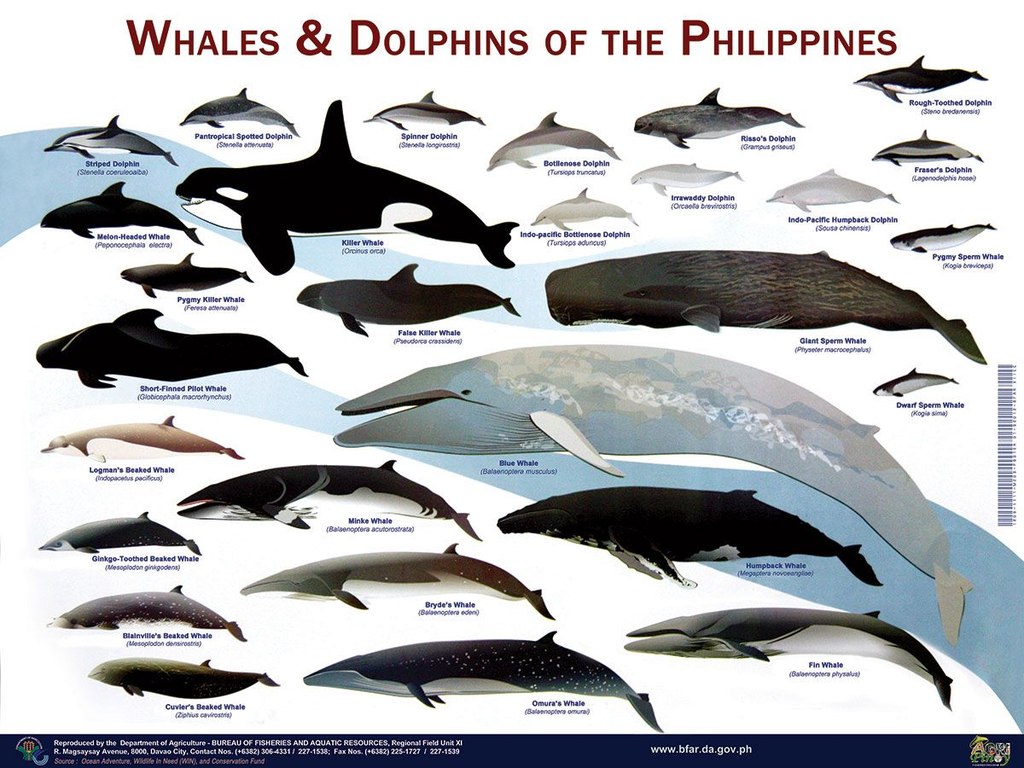
More than thirty species of cetaceans inhabit Philippine waters.
Common sightings include:
- Spinner dolphins
- Bottlenose dolphins
- Sperm whales
- Bryde’s whales
- Pilot whales
Prime locations include:
- Bohol Sea
- Sulu Sea
- Tañon Strait
Manta Rays
by lamave.org
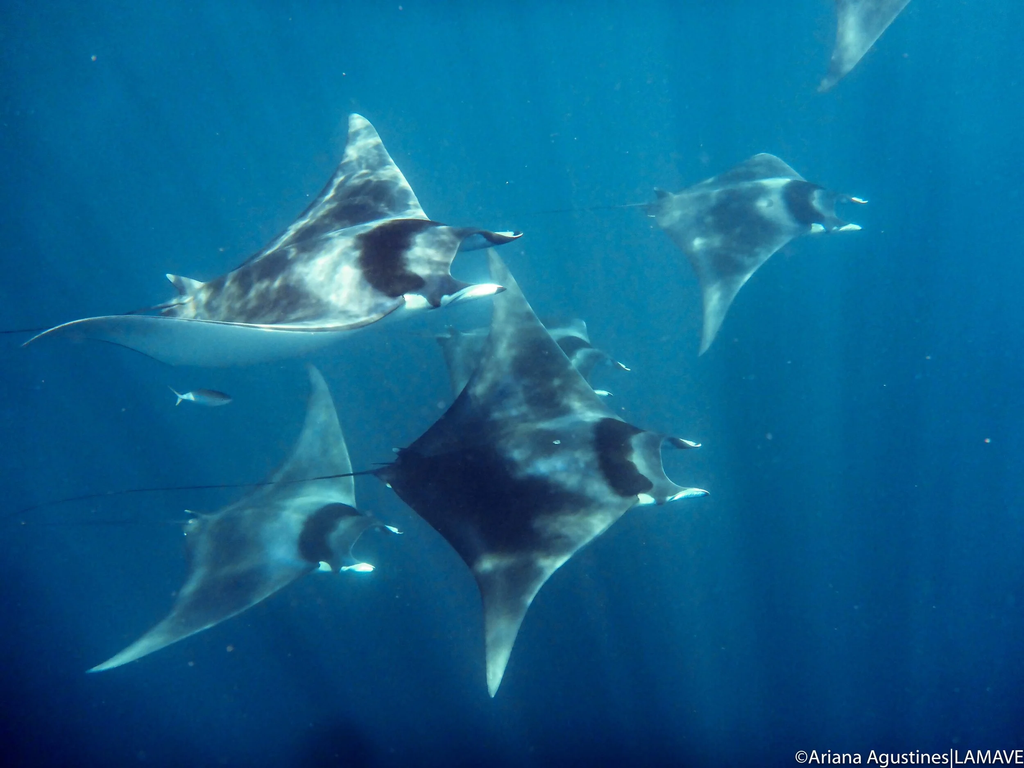
Manta rays are among the most spectacular animals encountered by divers.
These gentle giants can often be found near:
- Ticao Pass
- Southern Luzon waters
- Certain areas of Palawan
Colorful Reef Fish of the Philippines
by narodnatribuna.info
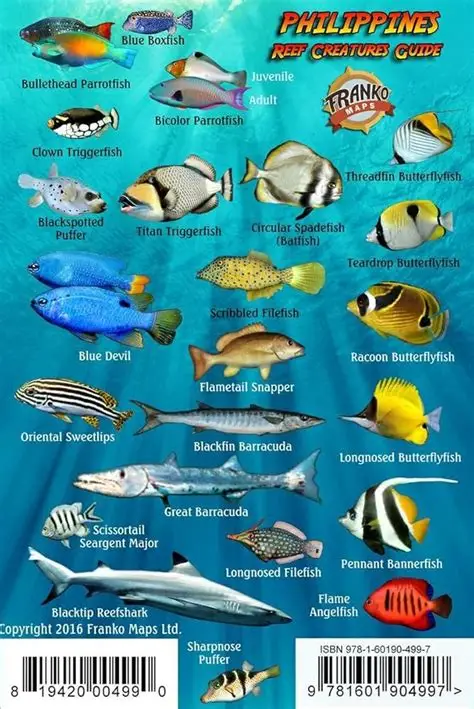
Philippine reefs support thousands of fish species.
Common examples include:
- Clownfish
- Butterflyfish
- Angelfish
- Damselfish
- Parrotfish
- Surgeonfish
- Wrasses
- Triggerfish
These species play important ecological roles in maintaining reef health.
Marine Invertebrates
The Philippines is world-famous among underwater photographers for its diverse invertebrate life.
Notable groups include:
- Nudibranchs
- Seahorses
- Giant clams
- Octopuses
- Squid
- Crabs
- Shrimp
- Sea stars
Areas such as Anilao and Dauin are recognized globally for macro marine biodiversity.
Best Places to Experience Philippine Marine Life
Tubbataha Reefs Natural Park

by discoverthephilippines.com
Known for:
- UNESCO World Heritage status
- Exceptional coral health
- Sharks and pelagic species
- World-class diving
Apo Reef Natural Park
by discoverthephilippines.com
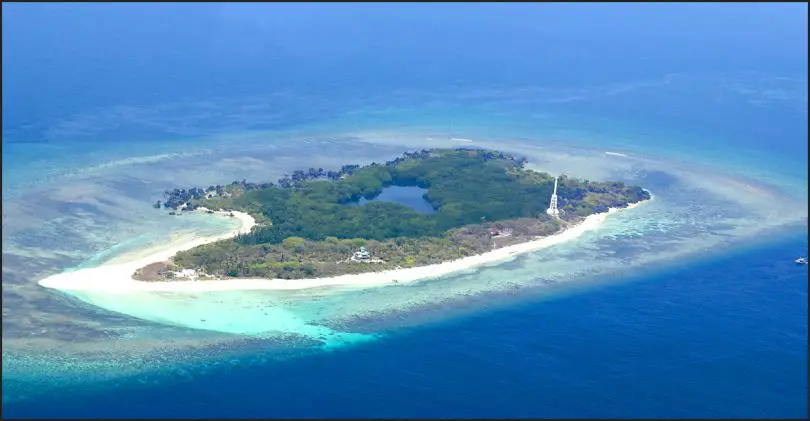
Highlights:
- Massive reef system
- Sea turtles
- Reef sharks
- Pristine coral gardens
Balicasag Island
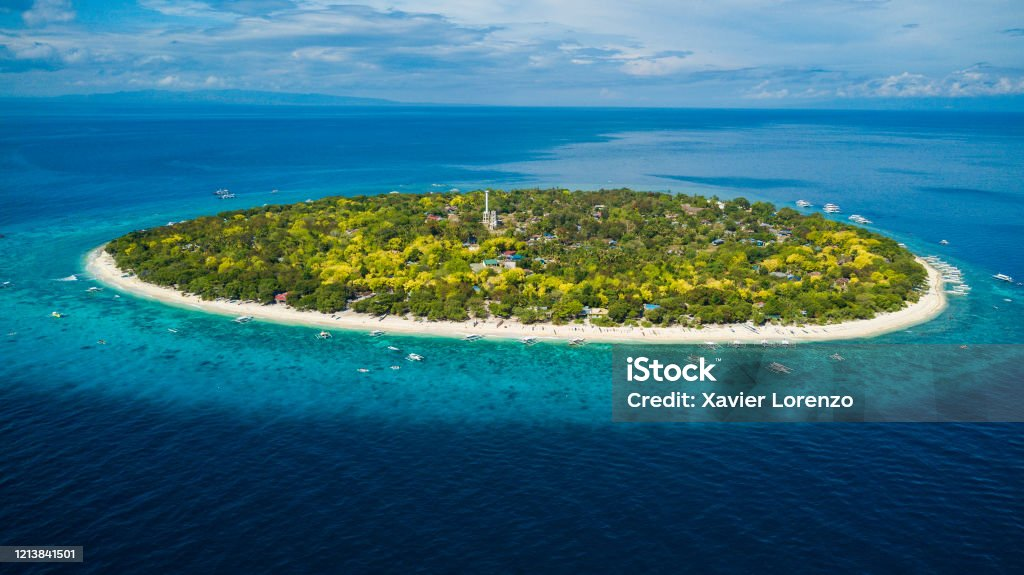
by istockphoto.com
Famous for:
- Turtle encounters
- Coral slopes
- Vibrant reef fish
Moalboal
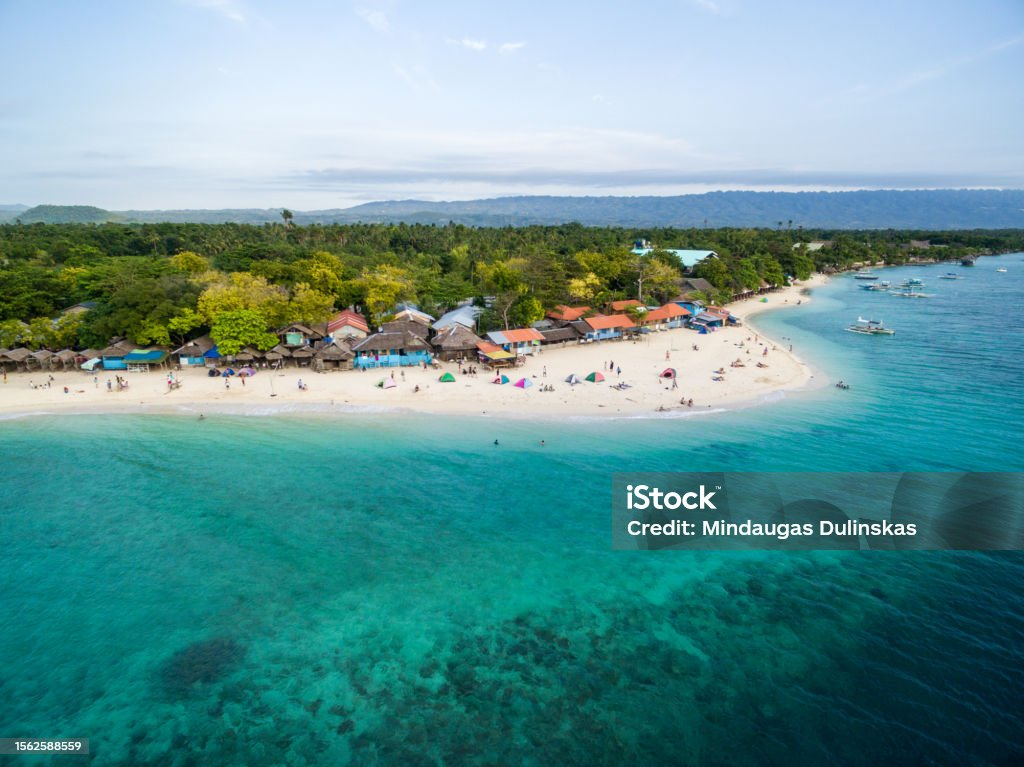
by istockphoto.com
Best known for:
- Sardine Run
- Sea turtles
- Accessible diving and snorkeling
Anilao
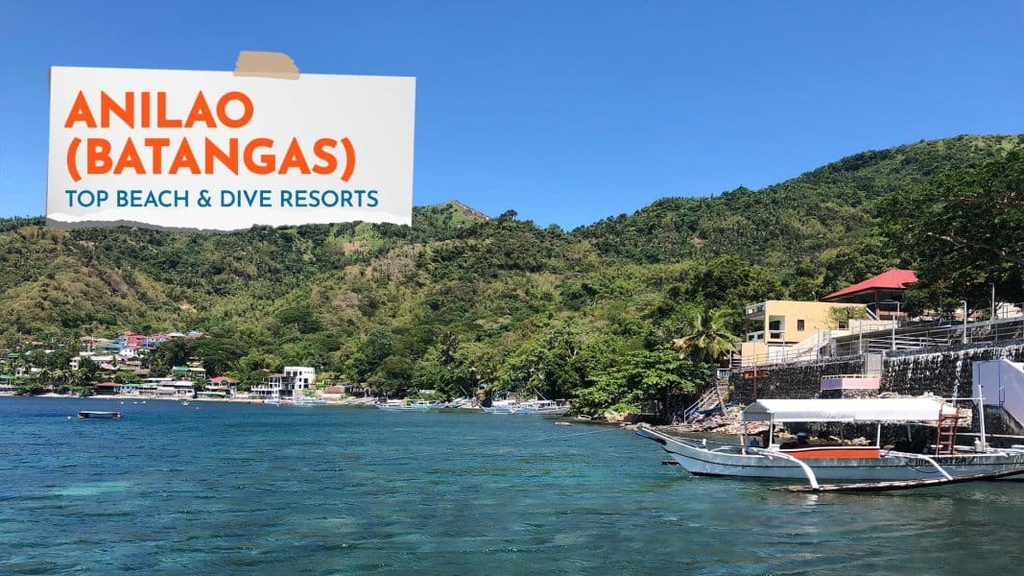
by philippinebeaches.org
Internationally renowned for:
- Macro diving
- Rare marine species
- Underwater photography
Threats Facing Philippine Marine Life
Despite its extraordinary biodiversity, Philippine marine ecosystems face numerous challenges.
Overfishing
Unsustainable fishing practices can reduce fish populations and damage marine food webs.
Coral Reef Degradation
Threats include:
- Pollution
- Sedimentation
- Climate change
- Physical damage
Plastic Pollution
Marine debris threatens wildlife through entanglement and ingestion.
Coastal Development
Habitat loss remains a major concern in rapidly developing coastal regions.
Climate Change
Rising ocean temperatures may contribute to coral bleaching and ecosystem changes.
Marine Conservation Efforts in the Philippines
Government agencies, local communities, non-governmental organizations, and marine scientists are working to protect Philippine waters through:
- Marine protected areas
- Community-managed sanctuaries
- Coral restoration projects
- Turtle conservation programs
- Sustainable fisheries initiatives
- Environmental education
Successful conservation projects demonstrate that marine ecosystems can recover when effectively protected.
Responsible Marine Wildlife Tourism
Visitors can help protect marine life by:
- Never touching wildlife
- Avoiding coral contact
- Maintaining proper buoyancy while diving
- Using reef-safe sunscreen
- Following local wildlife regulations
- Supporting ethical tour operators
Responsible tourism helps ensure future generations can enjoy these ecosystems.
Frequently Asked Questions
Why is the Philippines famous for marine biodiversity?
The Philippines lies within the Coral Triangle, the most biologically diverse marine region on Earth.
Can tourists swim with whale sharks?
Yes, but only through responsible and regulated wildlife tourism programs.
What is the best place for diving in the Philippines?
Popular choices include Tubbataha Reefs, Apo Reef, Coron, Anilao, and Moalboal.
Are there dugongs in the Philippines?
Yes. Dugongs occur in several areas, especially where healthy seagrass habitats remain.
What is the best time to explore Philippine marine life?
Conditions vary by region, but generally the dry season from November through May offers favorable conditions for marine activities.
Related Guides
- Coral Reefs of the Philippines
- Philippine Sea Turtles Guide
- Whale Sharks in the Philippines
- Dugongs of the Philippines
- Best Snorkeling Destinations in the Philippines
- Marine Protected Areas of the Philippines
- Tubbataha Reefs Natural Park Guide
- Apo Reef Natural Park Guide
- Philippine Wildlife Guide
- Eco-Tourism in the Philippines
Final Thoughts
The Philippines possesses one of the most diverse marine environments on the planet. From thriving coral reefs and majestic whale sharks to elusive dugongs and vibrant reef fish, the country’s waters support an extraordinary range of marine life.
Understanding, appreciating, and protecting these ecosystems is essential not only for biodiversity conservation but also for the millions of Filipinos whose livelihoods depend upon healthy oceans. As awareness and conservation efforts continue to grow, the Philippines remains one of the world’s most important destinations for marine wildlife and underwater exploration.