A complete cost of living breakdown in the Philippines for travelers, digital nomads, and expats. Learn real prices for housing, food, transportation, utilities, healthcare, internet, and lifestyle expenses across cities and small towns. Includes budgeting tips and related guides.
Cost of Living Breakdown in the Philippines (Visitor & Expat Guide)
The Philippines offers one of Southeast Asia’s most flexible cost-of-living environments, with prices varying significantly between major cities like Manila and Cebu and smaller provincial towns across Luzon, Visayas, and Mindanao. This breakdown provides a clear, category-by-category pricing guide to help visitors, digital nomads, and long-term expats understand what to expect, how to budget, and how costs shift depending on location and lifestyle.
Whether you’re staying for a few weeks or planning a long-term relocation, this page gives you realistic, on-the-ground price ranges based on traveler and expat spending patterns.
Overview — How Philippine Costs Compare Regionally
The Philippines remains more affordable than Singapore, Hong Kong, and Japan, and generally cheaper than Thailand and Malaysia for long-term stays. However, costs vary widely depending on:
- Whether you live in a major city or small town
- Your preferred lifestyle (local vs imported goods)
- Housing type (condo, apartment, guesthouse, long-term rental)
- Transportation choices (public transport vs ride-hailing)
- Dining habits (local eateries vs Western restaurants)
This guide breaks down each major spending category so you can build a realistic monthly budget.
Housing & Accommodation Costs
Housing is the largest cost driver for expats and long-term visitors. Prices vary dramatically between Metro Manila’s business districts and smaller provincial towns.
Short-Term Accommodation (Travelers & Digital Nomads)
- Budget guesthouses: ₱600–₱1,200 per night
- Mid-range hotels: ₱1,500–₱3,000 per night
- Business hotels (Manila/Cebu): ₱3,000–₱6,000 per night
- Beach resort rooms: ₱2,000–₱5,000 per night depending on season
Short-term stays are significantly cheaper outside major cities and tourist hotspots.
Long-Term Rentals (Expats & Remote Workers)
Metro Manila (Makati, BGC, Ortigas)
- Studio condo: ₱18,000–₱30,000/month
- 1-bedroom condo: ₱25,000–₱45,000/month
- 2-bedroom condo: ₱40,000–₱70,000/month
Cebu City / Davao City
- Studio: ₱12,000–₱20,000/month
- 1-bedroom: ₱18,000–₱30,000/month
Small Towns (Luzon, Visayas, Mindanao)
- Studio/room rental: ₱4,000–₱8,000/month
- Small apartment: ₱7,000–₱15,000/month
Provincial rentals are often 50–70% cheaper than city condos.
Food & Dining Costs
Food costs depend heavily on whether you eat local or prefer imported goods and Western-style restaurants.


by supernovahairtools.com by fity.club
Groceries (Monthly Estimate)
- Local produce & staples: ₱3,000–₱6,000
- Mixed local + imported goods: ₱7,000–₱12,000
- Mostly imported goods: ₱12,000–₱20,000
Imported cheese, wine, snacks, and specialty items significantly increase grocery bills.
Eating Out
- Local carinderia meals: ₱60–₱120
- Fast food (Jollibee, McDo): ₱150–₱250
- Casual restaurants: ₱250–₱500
- Mid-range dining: ₱500–₱1,000
- Western restaurants: ₱800–₱1,800
Small towns offer cheaper local meals, while Manila and Cebu have higher restaurant prices.
Transportation Costs
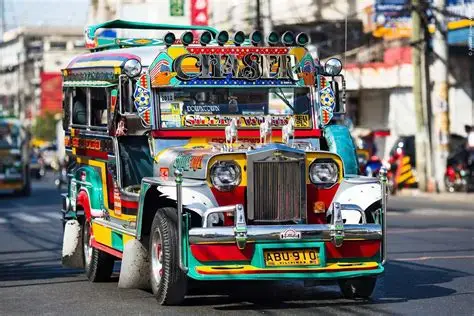
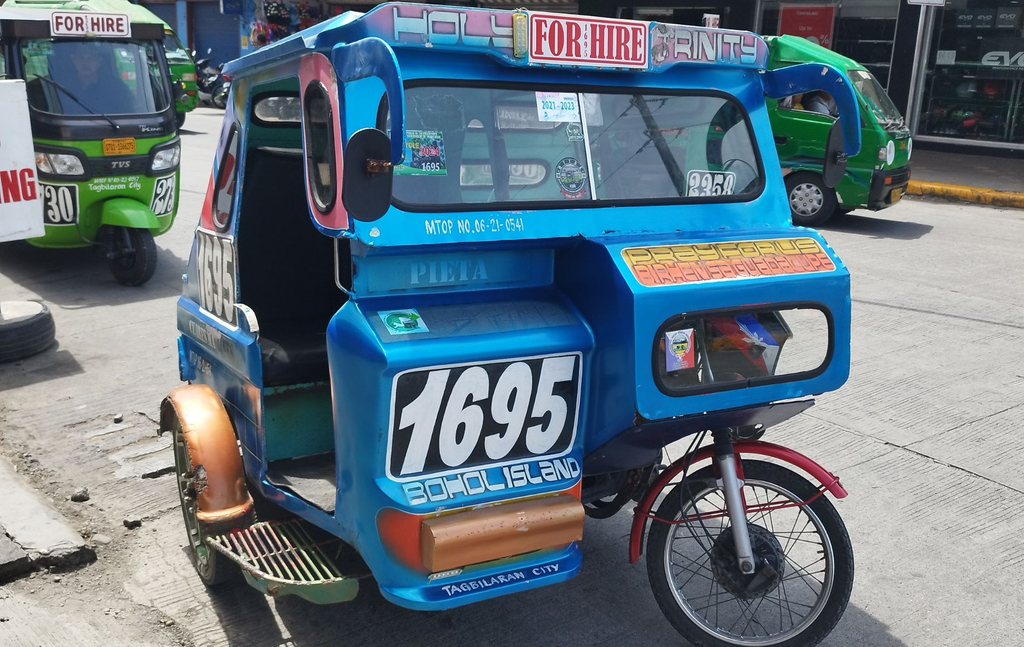
Transportation is one of the most affordable categories for visitors and expats.
by wallpaperaccess.com by ar.inspiredpencil.com
Public Transport
- Jeepney: ₱13–₱20
- Bus: ₱15–₱50
- LRT/MRT (Manila): ₱15–₱35
Ride-Hailing (Grab, JoyRide)
- Short city trips: ₱120–₱250
- Longer trips: ₱250–₱500
- Airport transfers: ₱350–₱900
Monthly Transportation Budget
- City expat using Grab + MRT: ₱3,000–₱6,000
- Small town expat using tricycles: ₱1,000–₱2,500
Utilities & Internet Costs
Utility costs depend on air-conditioning usage, household size, and location.
Electricity
- Small town apartment: ₱1,200–₱2,500/month
- City condo (with AC): ₱3,000–₱7,000/month
- Heavy AC users may reach ₱8,000–₱12,000/month.
Water
- Small town: ₱150–₱300/month
- City condo: ₱300–₱800/month
Internet & Mobile Data
- Fiber internet (PLDT, Converge): ₱1,200–₱2,000/month
- Mobile data plans: ₱300–₱1,000/month
Internet speeds are generally reliable in cities and improving rapidly in provincial hubs.
H2: Healthcare & Insurance Costs
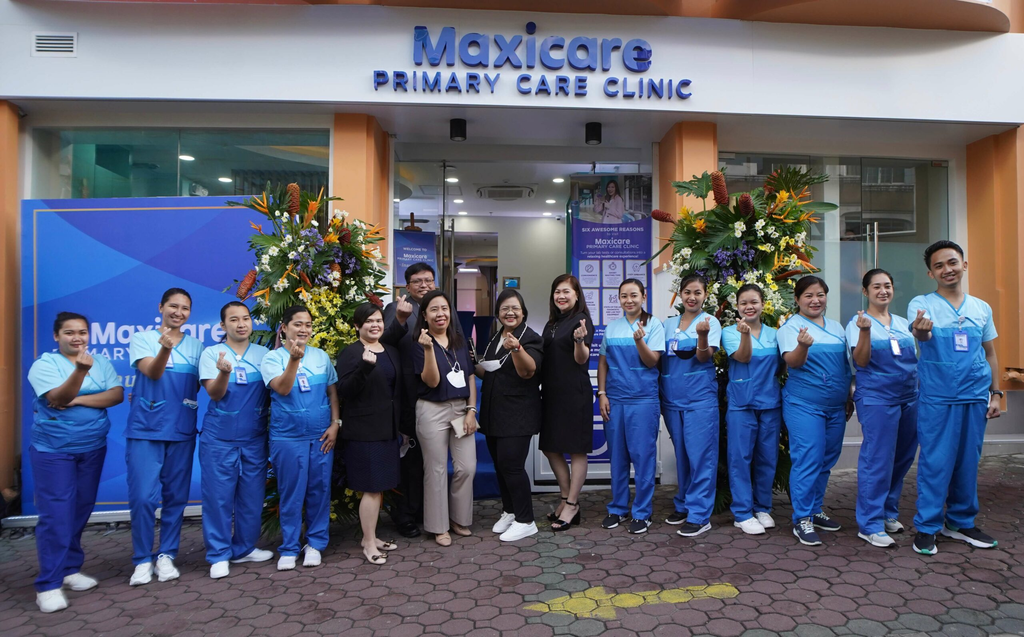
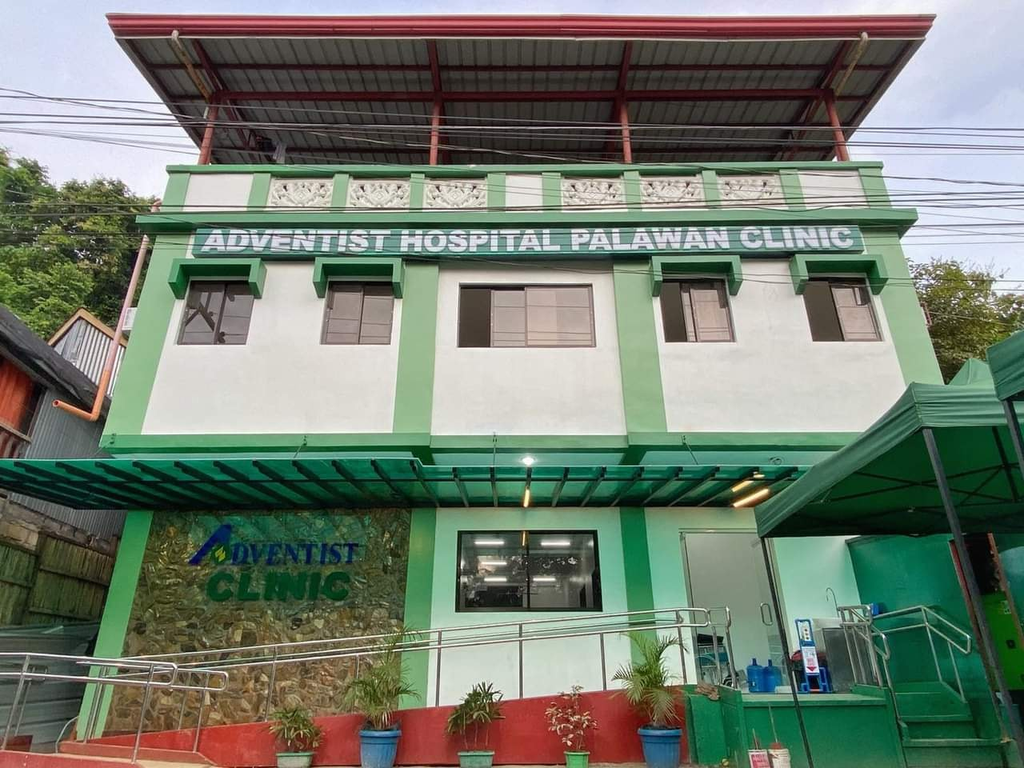
Healthcare is affordable, with private hospitals offering modern facilities in major cities.


by utpaqp.edu.pe by fity.com
by maxicare.com.ph by adventisthealth.ph
Medical Costs
- General doctor consultation: ₱500–₱1,200
- Specialist consultation: ₱800–₱2,500
- Basic lab tests: ₱300–₱1,500
- Emergency room visit: ₱2,000–₱6,000
Health Insurance
- Local HMO plans: ₱1,000–₱3,000/month
- International expat insurance: ₱3,000–₱8,000/month
Lifestyle & Entertainment Costs
Lifestyle spending varies widely depending on habits.
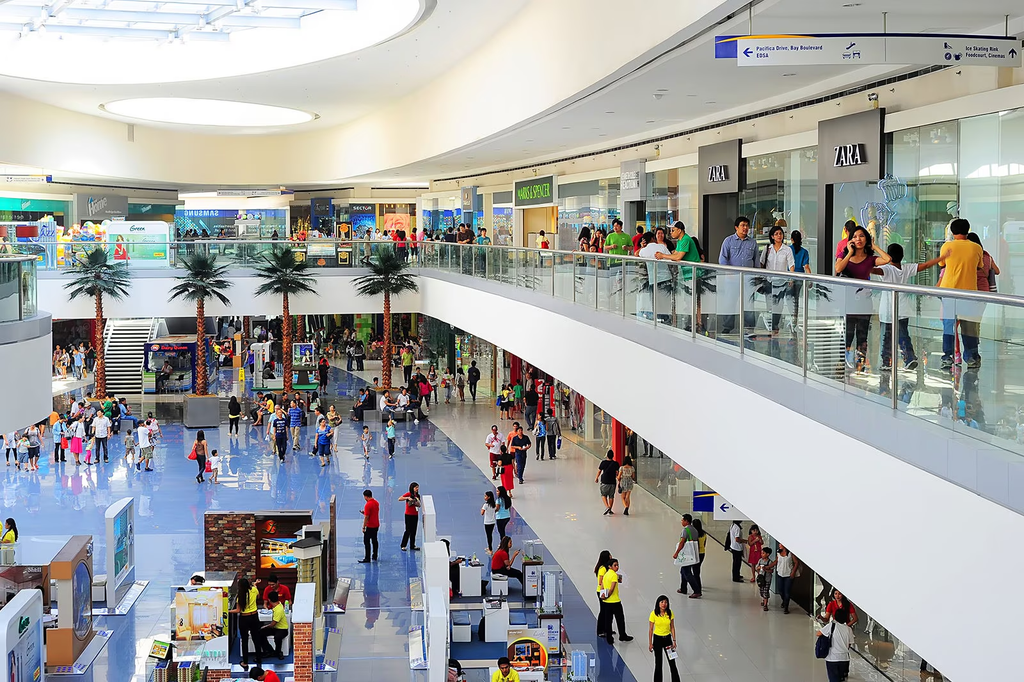
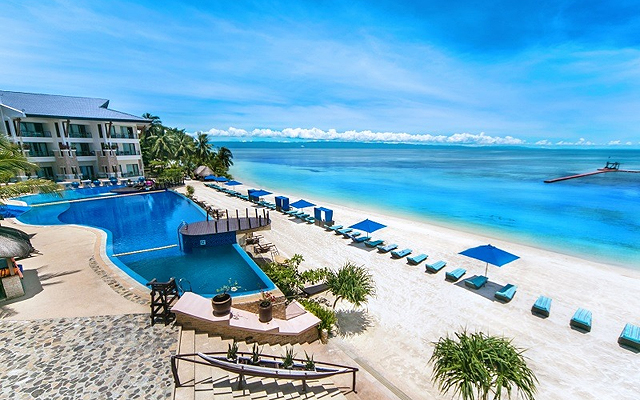
by akanlaku.blogspot.com by ar.inspiredpencil.com
Gyms & Fitness
- Local gyms: ₱600–₱1,200/month
- City fitness centers: ₱1,500–₱3,000/month
Entertainment
- Cinema: ₱250–₱400
- Bars & nightlife: ₱150–₱300 per beer
- Beach trips: ₱1,000–₱3,000 for weekend expenses
Monthly Lifestyle Budget
- Basic lifestyle: ₱3,000–₱6,000
- Comfortable lifestyle: ₱8,000–₱15,000
- Premium lifestyle: ₱20,000+
Sample Monthly Budgets (City vs Small Town)
Metro Manila / Cebu (Digital Nomad or Expat)
- Housing: ₱20,000–₱45,000
- Food: ₱8,000–₱15,000
- Transportation: ₱3,000–₆,000
- Utilities: ₱4,000–₈,000
- Internet: ₱1,200–₁,800
- Lifestyle: ₱6,000–₁5,000 Total: ₱42,000–₱90,000/month
Small Town (Provincial Living)
- Housing: ₱5,000–₁2,000
- Food: ₱4,000–₈,000
- Transportation: ₱1,000–₂,500
- Utilities: ₱1,200–₃,000
- Internet: ₱1,000–₁,500
- Lifestyle: ₱3,000–₆,000 Total: ₱15,000–₃3,000/month
Related Guides
- Cost of Living in the Small-Town vs City Prices for Travelers
- Cost of Living in the Small-Town vs City Prices for Expats
- Weather & Climate Guide
- Expat Essentials
- Travel Time Realities
- Regional Summaries Guide
- Quick Reference Guides
Plan Your Budget and Explore More Guides
Understanding the cost of living in the Philippines is the first step toward planning a smooth visit or long-term stay. Whether you’re choosing between city life and provincial living, building a digital nomad budget, or preparing for relocation, this breakdown gives you the clarity you need.
Continue exploring the Visitor & Expat Information Hub to build a complete picture of life in the Philippines:
- Visitor & Expat Hub
- Housing & Rentals Guide
- Safety & Cultural Etiquette Guide