A complete guide to Philippine public holidays and festivals for visitors and expats. Includes dates, cultural significance, travel tips, crowd levels, costs, and etiquette.
Public Holidays & Festivals in the Philippines
Understanding Philippine public holidays and local festivals is essential for visitors and expats planning trips, long stays, or relocations. These events shape travel patterns, crowd levels, business operations, transportation availability, and cultural immersion opportunities. This guide provides a structured overview of national holidays, major regional festivals, travel realities, and cultural etiquette to help you navigate the country smoothly.
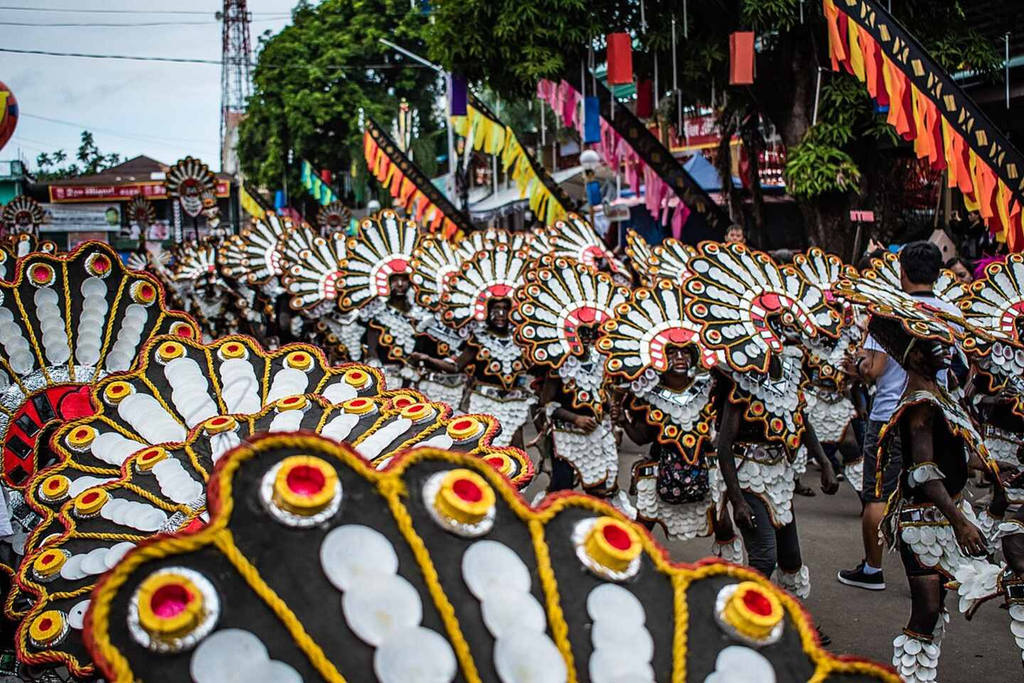
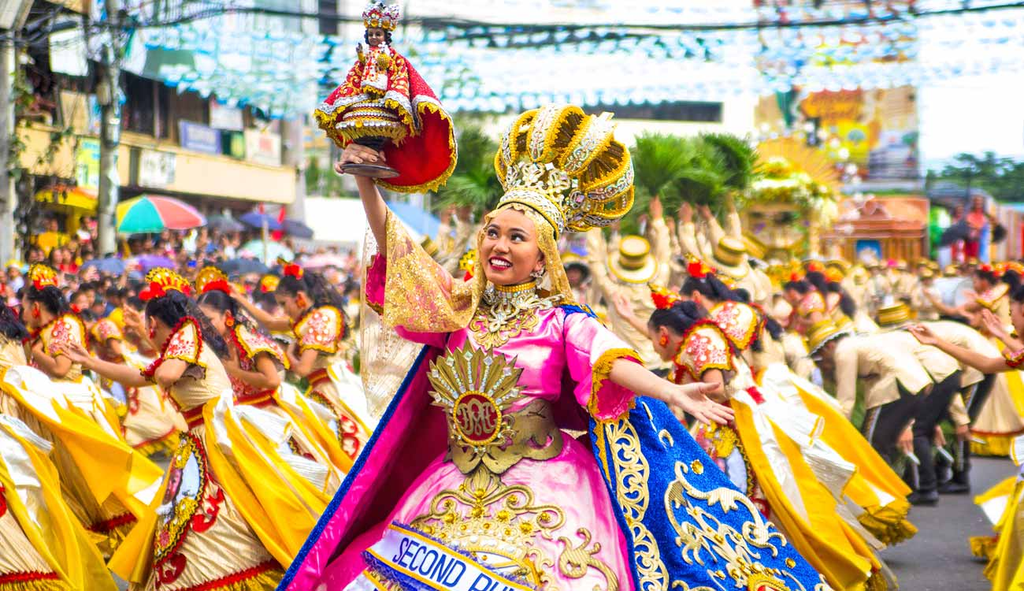
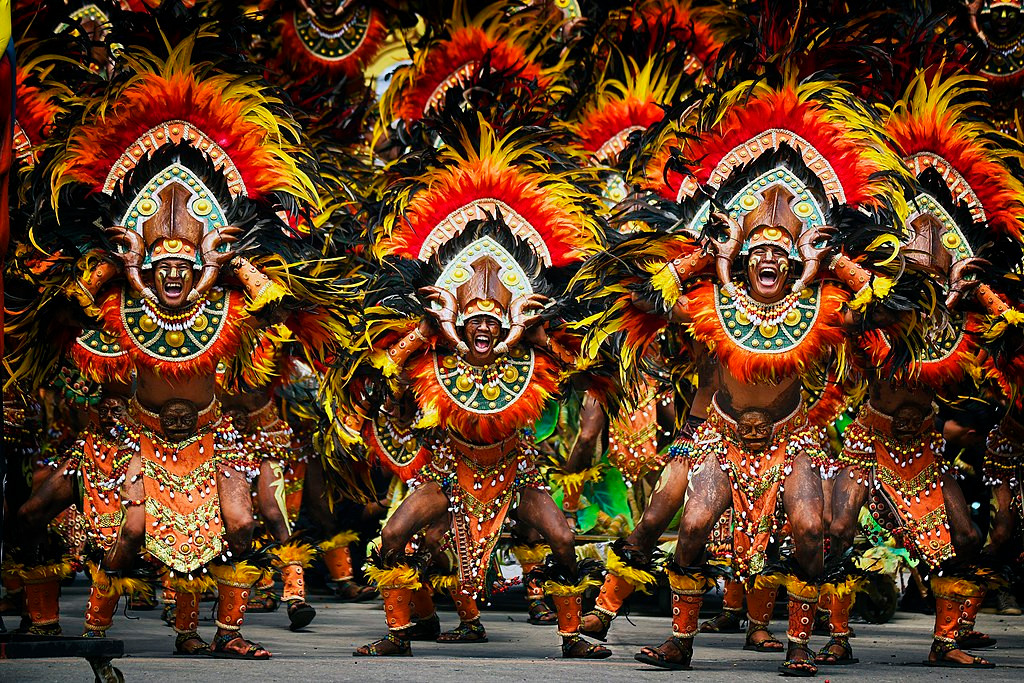
by ar.inspiredpencil.com by animalia-life.club by ar.inspiredpencil.com
Overview of Philippine Public Holidays
The Philippines observes a mix of regular holidays (fixed nationwide non-working days) and special non-working holidays (often tied to cultural or religious events). These holidays influence business hours, government operations, traffic conditions, and tourism flows.
Regular Holidays (Fixed Nationwide)
These holidays typically result in full closures of government offices, banks, and many private establishments.
- New Year’s Day — January 1 A major family celebration; expect quiet mornings and busy evenings.
- Araw ng Kagitingan — April 9 Commemorates Filipino and American soldiers of WWII.
- Labor Day — May 1 Some rallies occur in major cities; beaches are crowded.
- Independence Day — June 12 Flag ceremonies and civic events nationwide.
- National Heroes Day — Last Monday of August A day honoring national heroes; moderate travel activity.
- Christmas Day — December 25 The Philippines celebrates the world’s longest Christmas season.
- Rizal Day — December 30 Commemorates national hero José Rizal.
Special Non‑Working Holidays
These holidays often shift yearly and may be declared with short notice.
- Chinese New Year Celebrated strongly in Binondo, Manila.
- EDSA People Power Anniversary — February 25 Commemorates the 1986 peaceful revolution.
- Black Saturday Part of Holy Week; transportation and malls operate on limited schedules.
- Ninoy Aquino Day — August 21 A day of remembrance for Senator Benigno Aquino Jr.
- All Saints’ Day — November 1
- All Souls’ Day — November 2 Cemeteries become gathering places for families.
Holy Week – The Most Impactful Travel Period
Holy Week (March–April) is the single most disruptive holiday period for visitors and expats. Government offices, banks, and many businesses close from Maundy Thursday to Easter Sunday.
Travel Realities During Holy Week
- Crowd Levels: Extremely high at bus terminals, airports, and beaches.
- Costs: Accommodation prices rise 20–40%.
- Transportation: Limited schedules; early booking is essential.
- Cultural Etiquette: Avoid loud celebrations on Maundy Thursday and Good Friday.
Notable Holy Week Traditions
- Visita Iglesia — visiting seven churches
- Senakulo — theatrical reenactments of Christ’s passion
- Processions — solemn parades in major towns
Major Festivals (Fiestas) Across the Philippines
Philippine festivals are vibrant, colorful, and deeply rooted in local identity. They attract millions of domestic and international travelers.
H2: Luzon Festivals
- Panagbenga Festival — Baguio City (February) Flower floats, street dancing, and cool mountain weather.
- Pahiyas Festival — Lucban, Quezon (May) Houses decorated with colorful rice wafers (kiping).
- Bangus Festival — Dagupan (April) Celebrates the city’s famous milkfish industry.
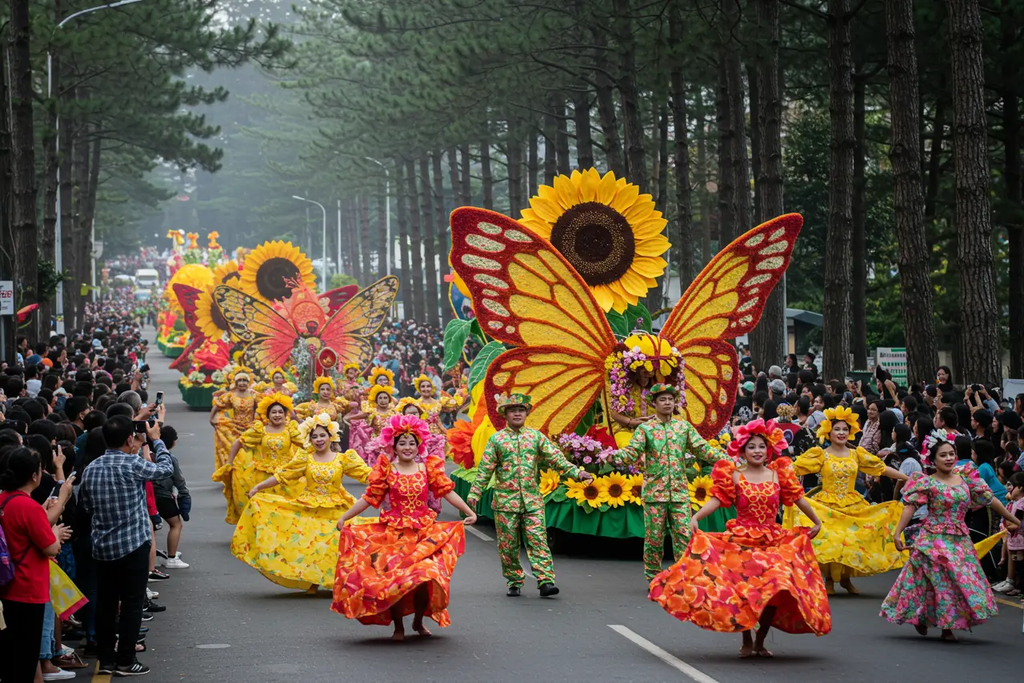
Panagbenga Festival in Baguio by ebosya.com
H2: Visayas Festivals
- Sinulog Festival — Cebu City (January) One of the country’s largest festivals; expect massive crowds.
- Ati‑Atihan Festival — Kalibo (January) Known as the “Mother of Philippine Festivals.”
- MassKara Festival — Bacolod (October) Smiling masks, concerts, and food fairs.
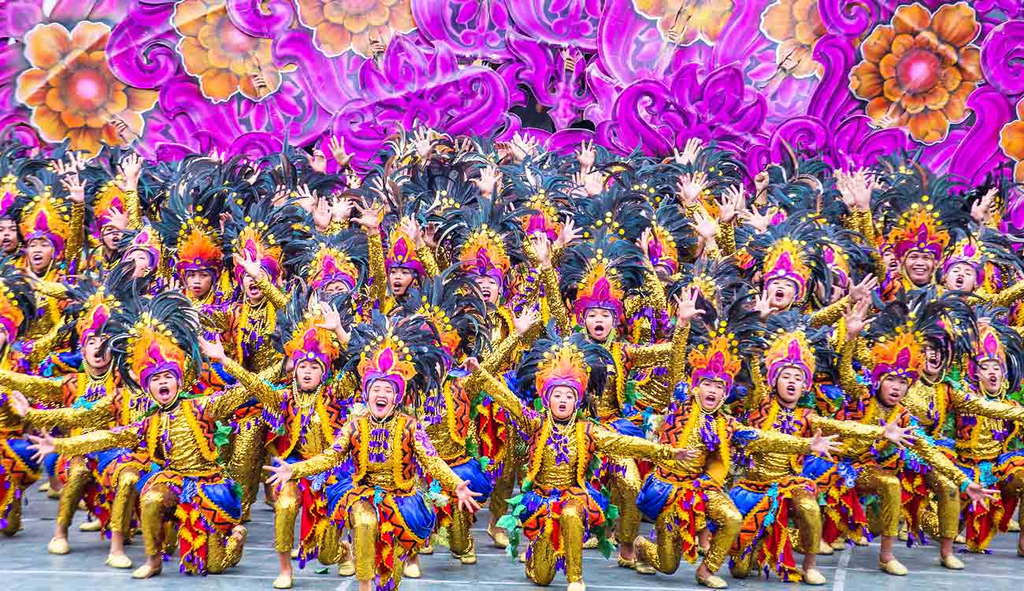
Sinulog Festival in Cebu by iamaileen.com
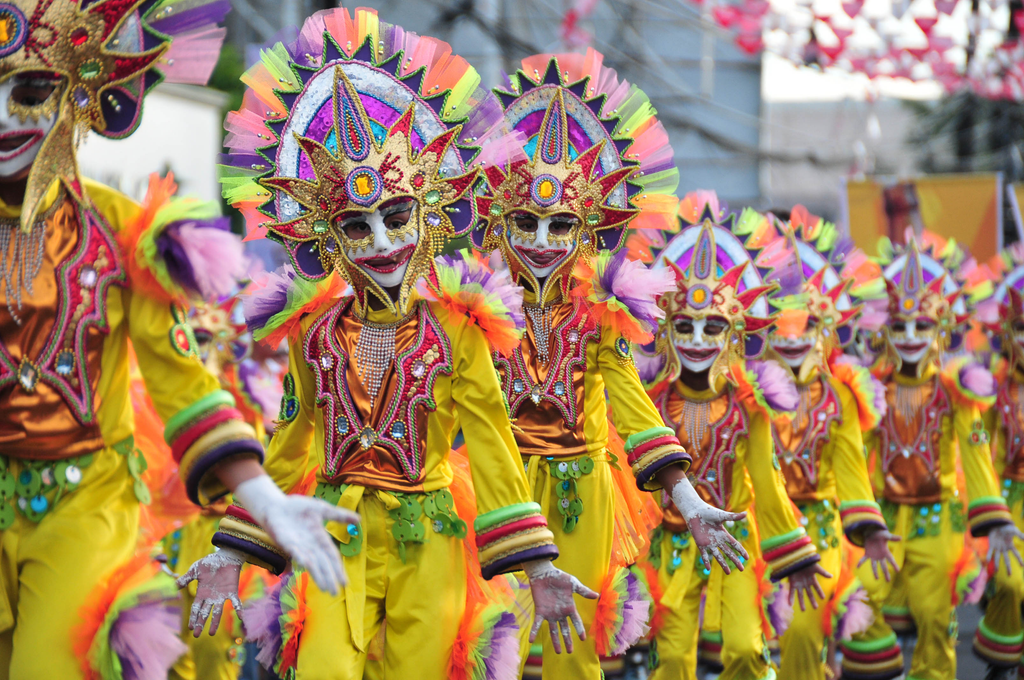
Bacolod Masskara Festival by worksheetshq.com
Mindanao Festivals
- Kadayawan Festival — Davao City (August) Celebrates harvest and indigenous cultures.
- Higalaay Festival — Cagayan de Oro (August) Parades, concerts, and culinary showcases.
- Zamboanga Hermosa Festival — Zamboanga City (October) Features regattas and cultural dances.
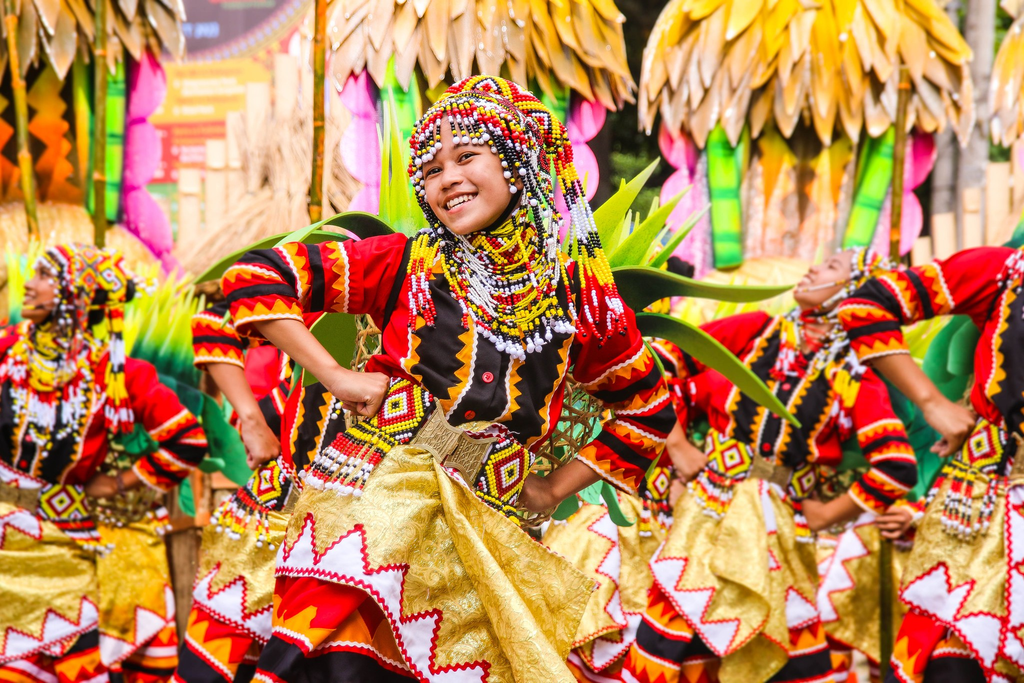
Kadayawan Festival in Davao by jontotheworld.com
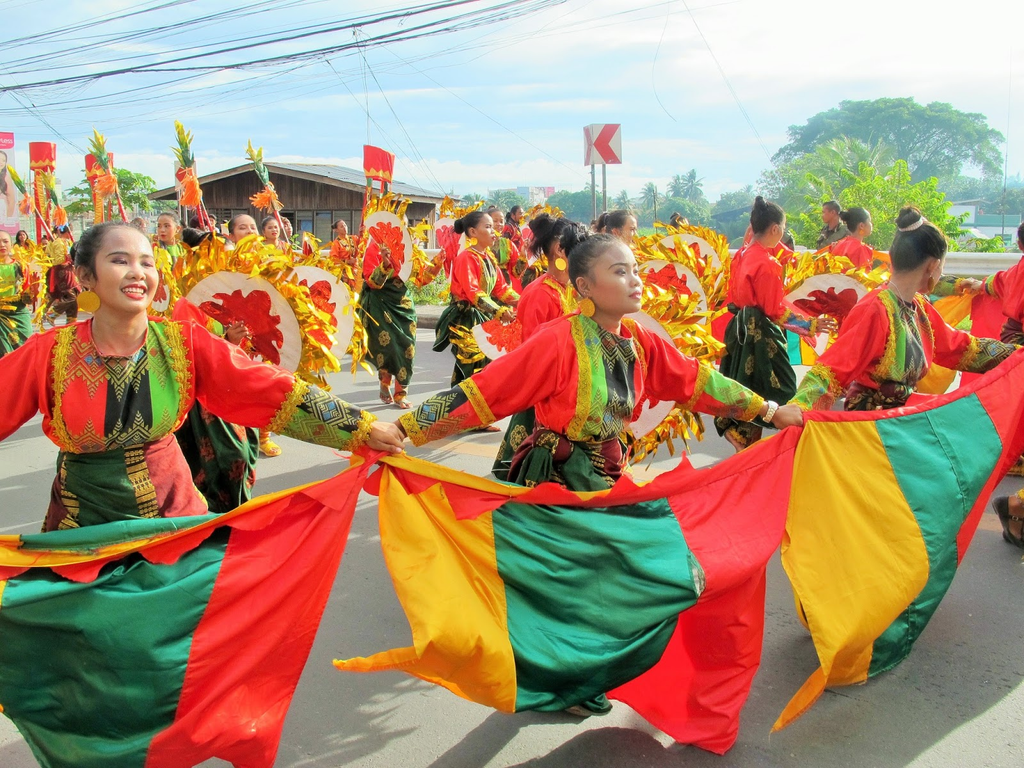
Cotabato City by gridcrosser.blogspot.com
Travel Planning Realities
Public holidays and festivals significantly affect travel logistics. Understanding these patterns helps visitors and expats avoid disruptions.
Crowd Levels
- Peak: Holy Week, Christmas, Sinulog, MassKara
- Moderate: Independence Day, All Saints’ Day
- Low: Regular holidays without major events
Costs & Budgeting
- Accommodation: +20–50% during major festivals
- Transport: Bus and flight fares surge 15–30%
- Food: Street food remains affordable; festival stalls may charge more
Transportation Tips
- Book flights 4–8 weeks ahead for major festivals
- Use provincial buses early in the morning to avoid queues
- Ride‑hailing apps may have surge pricing during events
Safety & Etiquette
- Respect religious processions
- Avoid blocking parade routes
- Dress modestly during Holy Week
- Secure belongings in crowded areas
Cultural Significance for Visitors & Expats
Understanding the cultural meaning behind holidays and festivals enriches your stay.
Family-Centered Culture
Most holidays revolve around family gatherings. Expect quieter cities and busy provinces.
Community Identity
Fiestas are expressions of local pride. Each town has its own patron saint celebration.
Religious Influence
Catholic traditions shape many holidays, but indigenous and Islamic festivals also thrive.
Quick Reference Table
| Holiday/Festival | Month | Crowd Level | Travel Impact |
|---|---|---|---|
| Holy Week | Mar–Apr | Very High | Major closures |
| Sinulog | Jan | Very High | Traffic, high costs |
| Panagbenga | Feb | High | Heavy traffic |
| MassKara | Oct | High | Hotel surge |
| Christmas | Dec | High | Busy malls, travel rush |
Related Guides
- Philippine Weather & Seasons
- Transportation & Getting Around
- Cultural Etiquette & Social Norms
- Safety, Laws & Local Regulations
- Money, Banking & Currency Tips
- Local Food & Dining for Visitors
- Accommodation Guide for Expats
- Language Basics & Filipino Phrases
Plan Your Philippine Holidays & Festival Experience
Public holidays and festivals can either enhance your travel experience or complicate your logistics. With the right planning, you can enjoy cultural immersion, avoid peak congestion, and make the most of your stay in the Philippines. Explore more guides under the Visitor & Expat Information Hub to prepare for your journey.