A complete Housing & Rentals Guide for expats in the Philippines. Learn about rental prices, housing types, leases, utilities, safety, neighborhoods, digital nomad setups, and how to find reliable landlords. Includes regional cost breakdowns and essential tips for long‑term stays.
Philippines Housing & Rentals Guide for Expats & Long‑Term Visitors
Finding the right place to live in the Philippines is one of the most important steps for expats, digital nomads, and long‑term visitors. Whether you’re staying for a few months or planning a multi‑year relocation, understanding the local housing market, rental norms, pricing, and neighborhood dynamics will help you make confident decisions.
This guide covers everything: housing types, rental costs, lease agreements, utilities, safety considerations, expat‑friendly neighborhoods, and how to avoid common pitfalls.
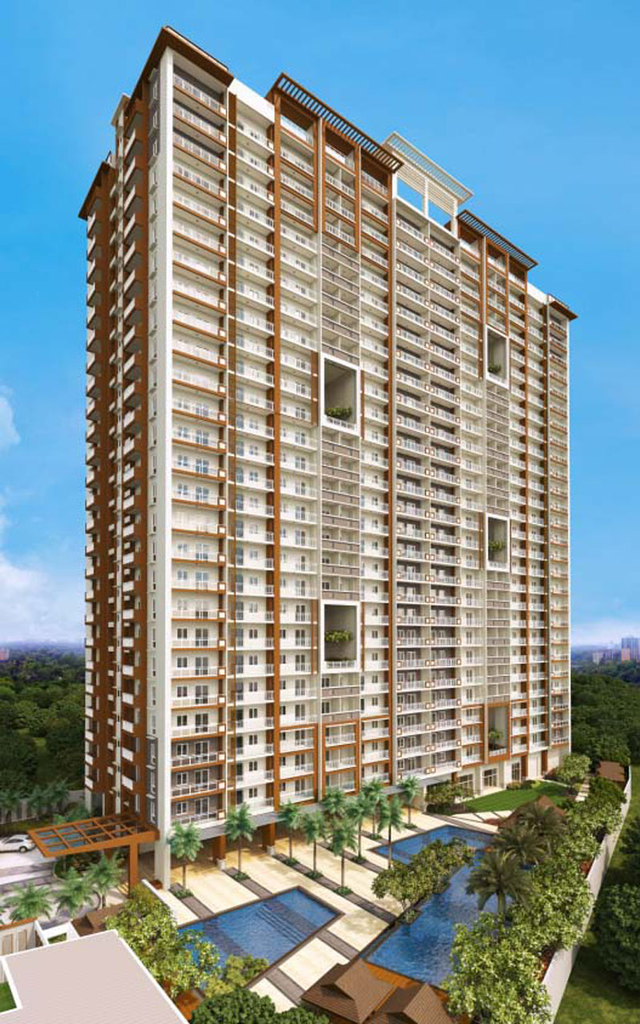
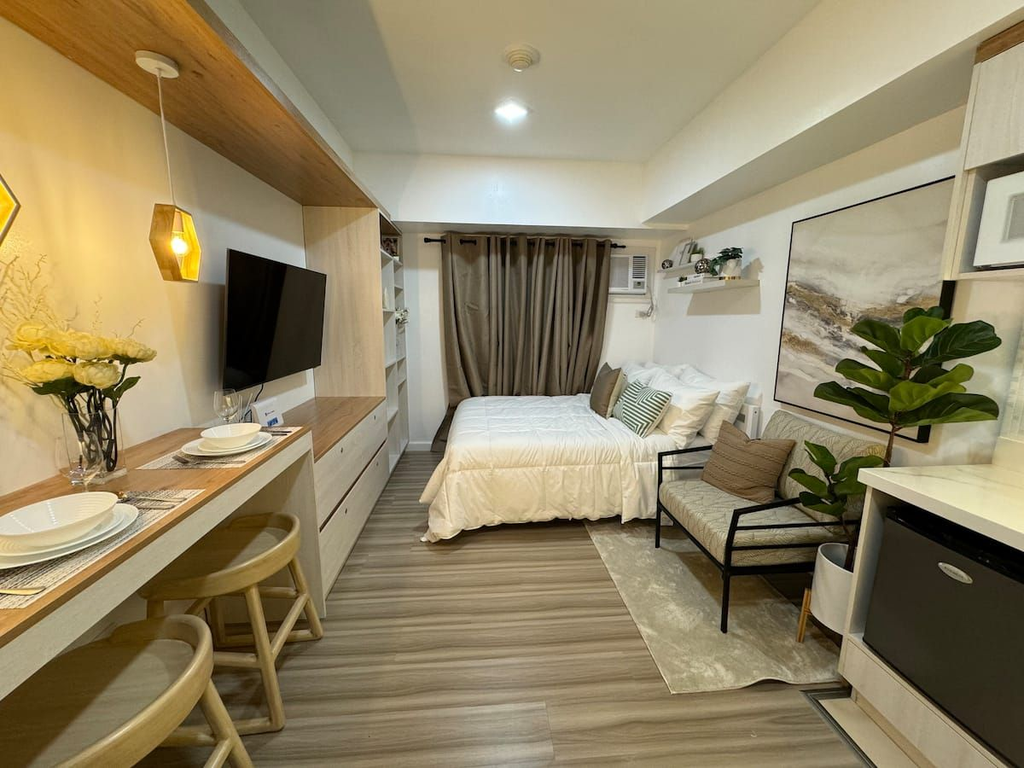
by dmci-online.com by pinterest.com
Overview of the Philippine Housing Market
The Philippines offers a wide range of housing options—from modern high‑rise condominiums in major cities to traditional houses, townhomes, and beachfront rentals in provincial areas. Prices vary significantly depending on location, property type, and amenities.
Key Market Characteristics
- Urban centers are condo‑dominated, especially Metro Manila, Cebu City, and Davao City.
- Provincial areas offer larger homes at lower prices, often with more space and quieter surroundings.
- Foreigners cannot own land, but they can legally own condominium units and rent houses long‑term.
- Short‑term rentals (Airbnb, serviced apartments) are widely available in tourist hubs.
- Long‑term leases (6–12 months) offer the best value for expats staying more than 3 months.
Types of Housing Available for Expats
Condominiums (Most Popular for Expats)
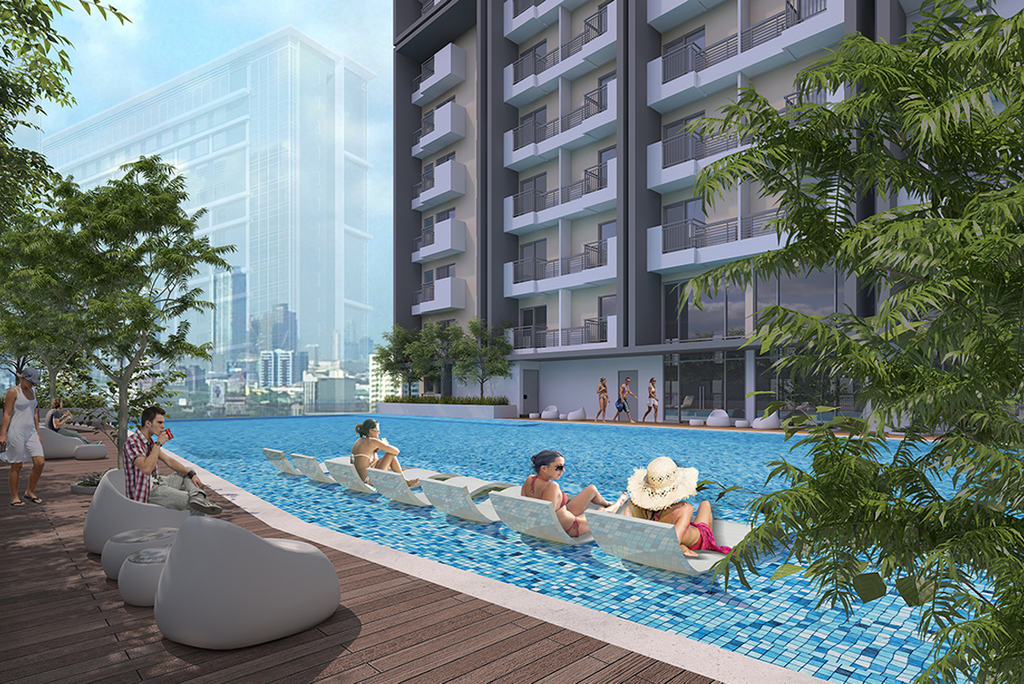
Condominiums offer security, amenities, and convenience. They are the top choice for digital nomads and expats who want modern living.
Typical Features
- 24/7 security
- Swimming pool
- Gym
- Backup generator
- High‑speed fiber internet
- Central location near malls, hospitals, and transport hubs
Average Monthly Rent
- Metro Manila: ₱20,000–₱60,000
- Cebu City: ₱18,000–₱45,000
- Davao City: ₱15,000–₱35,000
Apartments (Budget‑Friendly Urban Option)
Apartments are cheaper than condos but may lack amenities and security features.
Average Monthly Rent
- Metro Manila: ₱10,000–₱25,000
- Cebu City: ₱8,000–₱20,000
- Provincial cities: ₱5,000–₱15,000
Houses & Townhomes (Ideal for Families)
Houses offer more space, privacy, and flexibility. Many expats choose gated subdivisions for safety and convenience.
Average Monthly Rent
- Metro Manila: ₱30,000–₱120,000
- Cebu/Davao: ₱20,000–₱80,000
- Provincial areas: ₱10,000–₱40,000
Serviced Apartments (Short‑Term Stays)
Perfect for expats on temporary assignments or digital nomads testing the waters.
Features
- Weekly cleaning
- Fully furnished
- Hotel‑like services
- Flexible monthly contracts
Average Monthly Rent ₱35,000–₱120,000 depending on city and amenities.
Beachfront Rentals (For Remote Workers & Retirees)
Popular in Siargao, Bohol, Palawan, and Boracay.
Average Monthly Rent ₱15,000–₱60,000 depending on location and season.
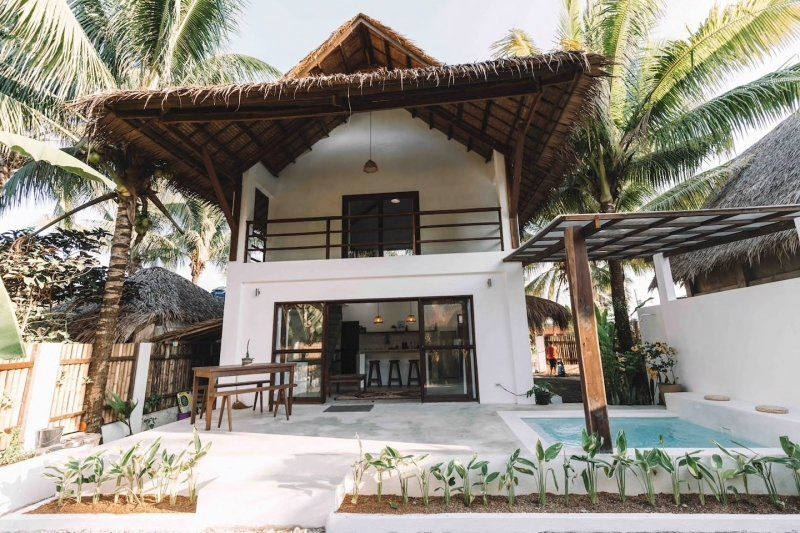
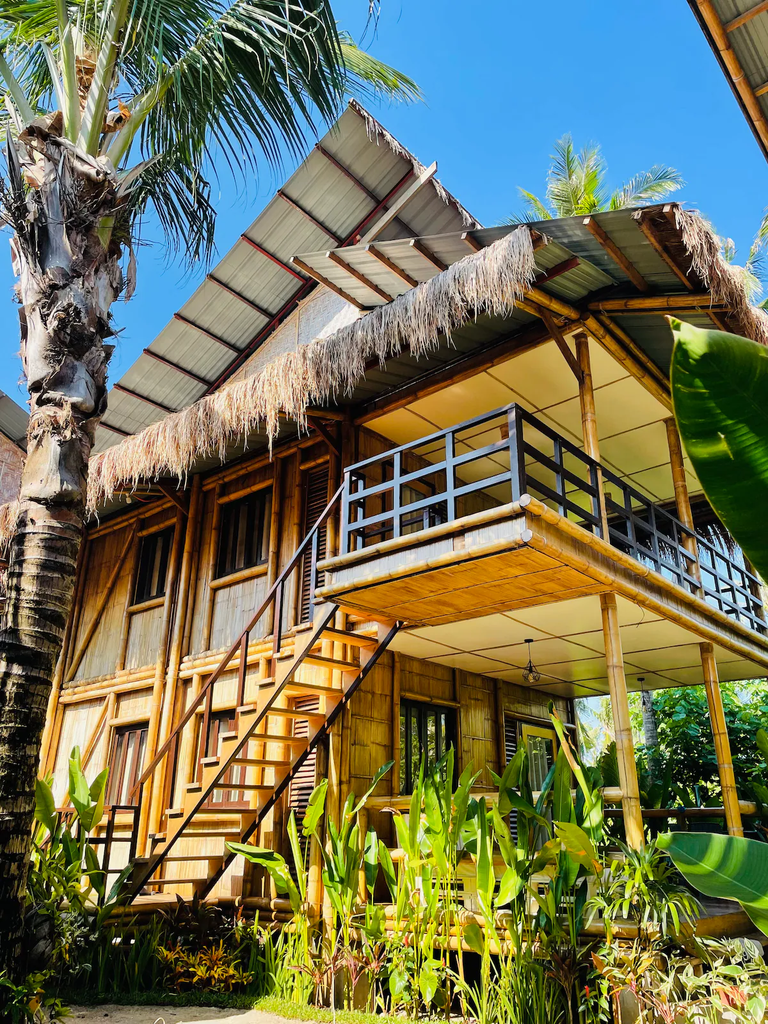
by pinterest.com by airbnb.com by westsidecity.com.ph
How to Find Housing in the Philippines
Best Platforms for Rentals
- Online Marketplaces — Facebook Marketplace, Lamudi, DotProperty
- Local Real Estate Agents — helpful for long‑term leases
- Condo Developer Listings — Ayala, SMDC, Megaworld
- Short‑Term Rentals — Airbnb, Booking.com
Tips for Evaluating Listings
- Visit the property in person before signing.
- Check water pressure, air‑conditioning, and internet availability.
- Inspect for pests, mold, or noise issues.
- Ask about building rules (pets, visitors, renovations).
- Confirm if the unit is fully furnished or semi‑furnished.
Understanding Rental Prices Across the Philippines
Metro Manila (Highest Prices)
Top expat neighborhoods: BGC, Makati, Ortigas, Mandaluyong, Quezon City.
Price Range
- Studio: ₱18,000–₱35,000
- 1BR: ₱25,000–₱50,000
- 2BR: ₱40,000–₱80,000
Cebu City (Balanced Urban Living)
Popular areas: IT Park, Lahug, Banilad.
Price Range
- Studio: ₱15,000–₱25,000
- 1BR: ₱20,000–₱40,000
- 2BR: ₱35,000–₱60,000
Davao City (Affordable & Safe)
Popular areas: Bajada, Lanang, Ecoland.
Price Range
- Studio: ₱12,000–₱20,000
- 1BR: ₱18,000–₱35,000
- 2BR: ₱30,000–₱50,000
Provincial Cities & Beach Towns
Areas: Dumaguete, Iloilo, Bohol, Siargao, Palawan.
Price Range
- Studio: ₱8,000–₱20,000
- 1BR: ₱12,000–₱30,000
- Houses: ₱15,000–₱40,000
Lease Agreements & Legal Considerations
Standard Lease Terms
Most landlords require:
- 1 month advance
- 2 months security deposit
- 6–12 month contract
Important Clauses to Review
- Termination policy
- Visitor rules
- Pet policy
- Maintenance responsibilities
- Subleasing restrictions
- Penalties for early termination
Foreign Ownership Rules
Foreigners cannot own land, but they can:
- Own condominium units
- Lease land long‑term (25 years + renewal)
- Own buildings (but not the land beneath them)
Utilities, Internet & Monthly Expenses
Electricity
₱3,000–₱10,000 monthly depending on AC usage.
Water
₱300–₱1,000 monthly.
Internet
Fiber plans: ₱1,500–₱2,500 monthly. Providers: PLDT, Globe, Converge.
Association Dues (Condos)
₱2,000–₱10,000 monthly depending on building amenities.
Safety & Choosing the Right Neighborhood
What Expats Should Prioritize
- Proximity to hospitals
- Flood‑free zones
- Access to public transport
- Building security
- Reliable internet coverage
Safest Expat‑Friendly Areas
- BGC (Taguig)
- Makati
- Ortigas
- Cebu IT Park
- Davao Lanang
Digital Nomad & Remote Work Housing Tips
Essential Features
- Fiber internet
- Backup generator
- Quiet workspace
- Nearby coworking spaces
- Strong mobile signal
Popular Nomad Hubs
- Siargao
- Cebu City
- Dumaguete
- BGC
- Makati
Avoiding Scams & Common Pitfalls
Red Flags
- Landlord refuses a written contract
- Extremely low prices compared to market
- No official receipts
- Asking for full payment upfront
- Hidden fees not disclosed
How to Protect Yourself
- Always sign a lease
- Pay only through traceable methods
- Request government‑issued ID from landlord
- Inspect the property thoroughly
- Document existing damages before moving in
Related Guides
- Expat Essentials
- Visa & Immigration Guide
- Safety & Security Guide
- Transportation & Getting Around
- Money, Banking & ATMs
- Healthcare & Hospitals Guide
Plan Your Move with Confidence
Finding the right home in the Philippines doesn’t have to be overwhelming. With the right information, clear expectations, and a solid understanding of local rental norms, you can secure a comfortable, safe, and affordable place to live—whether you’re staying for six months or several years.