Explore traditional Filipino clothing, weaving traditions, indigenous textiles, folk arts, woodcraft, pottery, and cultural craftsmanship. A comprehensive guide for visitors and expats learning Philippine heritage, artistry, and regional cultural identity.
Traditional Clothing & Arts in the Philippines
A Comprehensive Cultural Guide for Visitors & Expats
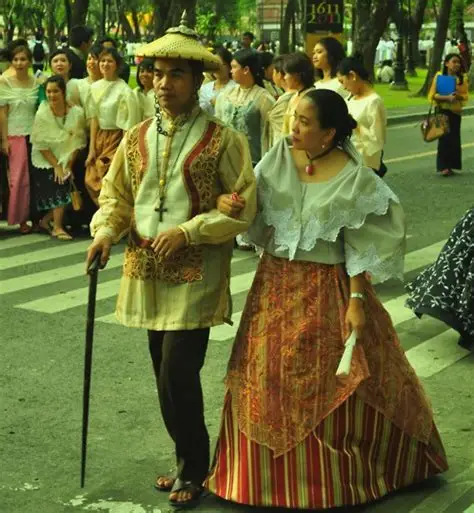
by pinterest.com by fity.club
by outoftownblog.com by bluprint-onemega.com
The Philippines’ traditional clothing and arts reflect centuries of indigenous craftsmanship, colonial influence, regional identity, and cultural pride. For visitors and expats, understanding these traditions deepens appreciation for the country’s heritage and helps support ethical, community-based artisans. This guide covers major textile traditions, iconic garments, indigenous arts, regional crafts, and where to experience or purchase authentic pieces.
The Cultural Significance of Filipino Traditional Clothing
Traditional Filipino clothing is more than attire—it is a visual language of identity, status, spirituality, and community. Each region has distinct materials, weaving patterns, and ceremonial garments that reflect local history and environment.
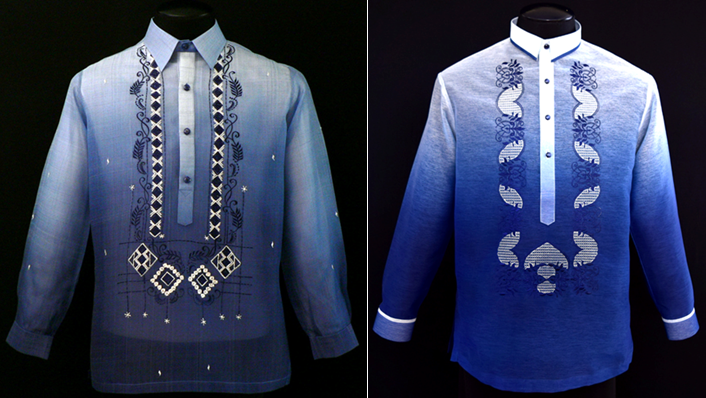
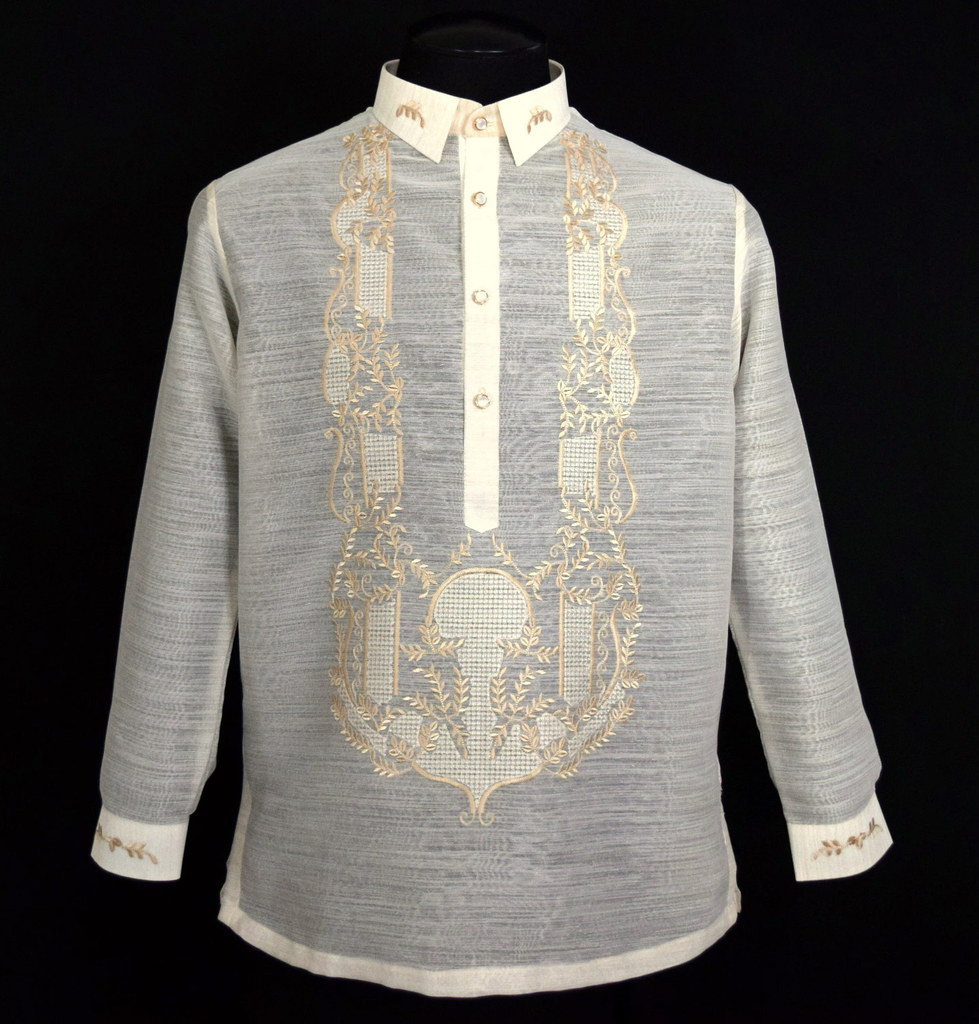
by barongtagalogstore.com by heritagebarong.com
Barong Tagalog – The National Formal Wear
The Barong Tagalog is the Philippines’ most recognizable traditional garment, worn during weddings, formal events, and national ceremonies.
Key Features
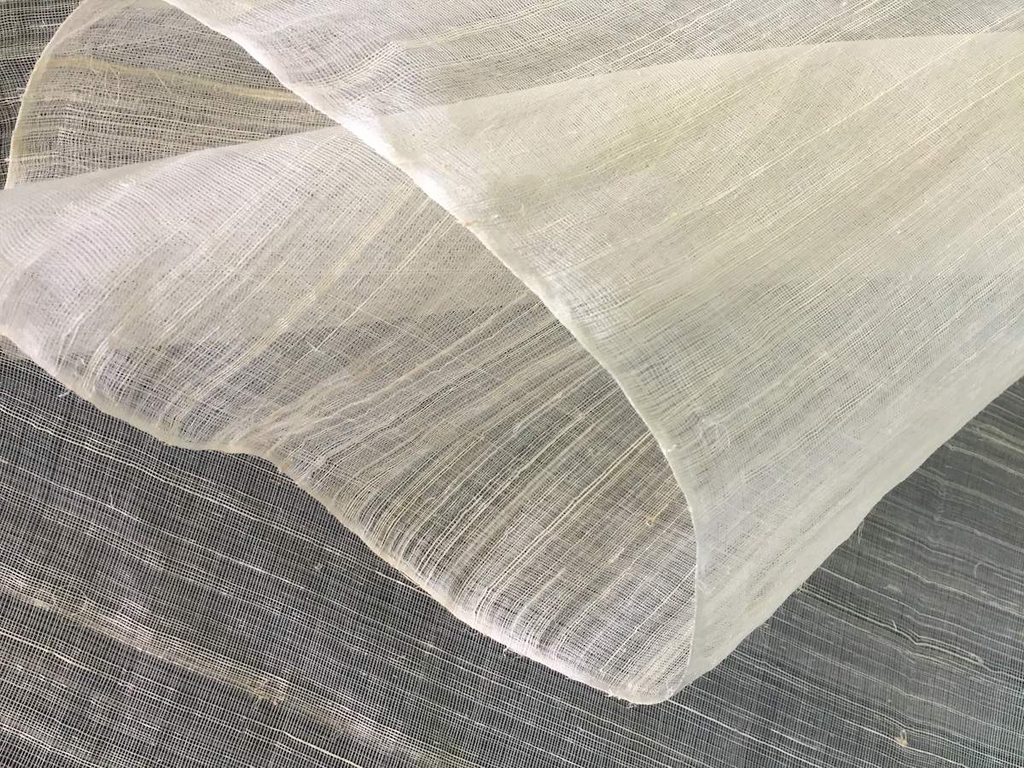
- Made from piña, jusi, or banana silk
- Intricate hand embroidery
- Lightweight, translucent fabric suited for tropical climate
- Worn untucked as a symbol of anti-colonial identity
Regional Variations
- Calado embroidery from Laguna
- Piña weaving from Aklan
- Jusi blends from Cebu
Best For
Visitors seeking a formal Filipino garment or expats attending cultural events.
H3: Baro’t Saya – Traditional Women’s Clothing
The Baro’t Saya is a classic ensemble consisting of a blouse (baro) and skirt (saya), often paired with a pañuelo or alampay.
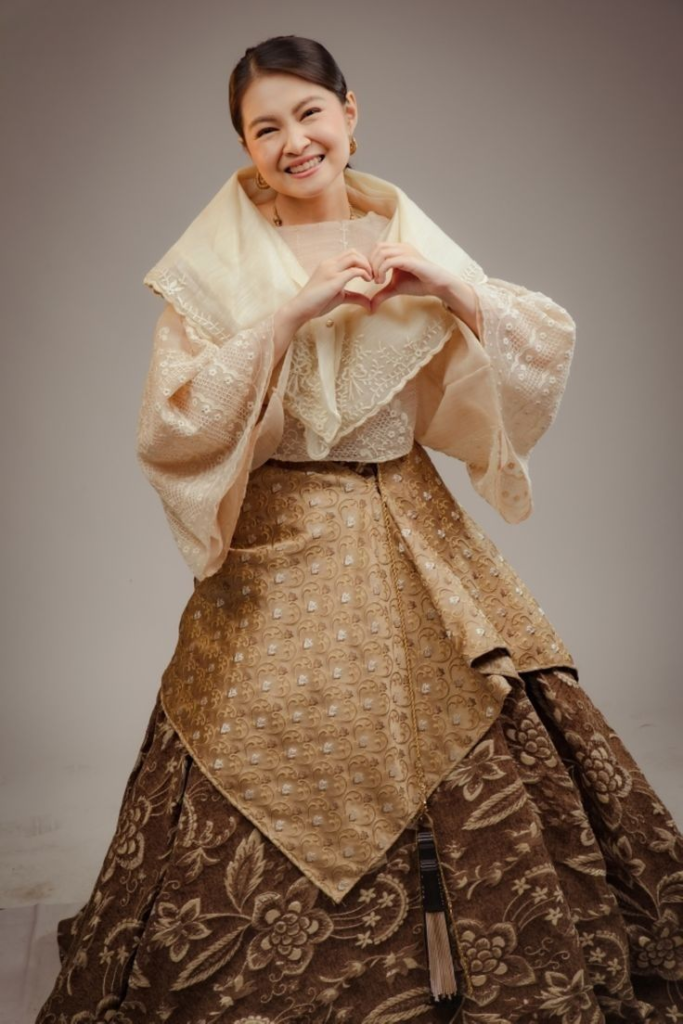
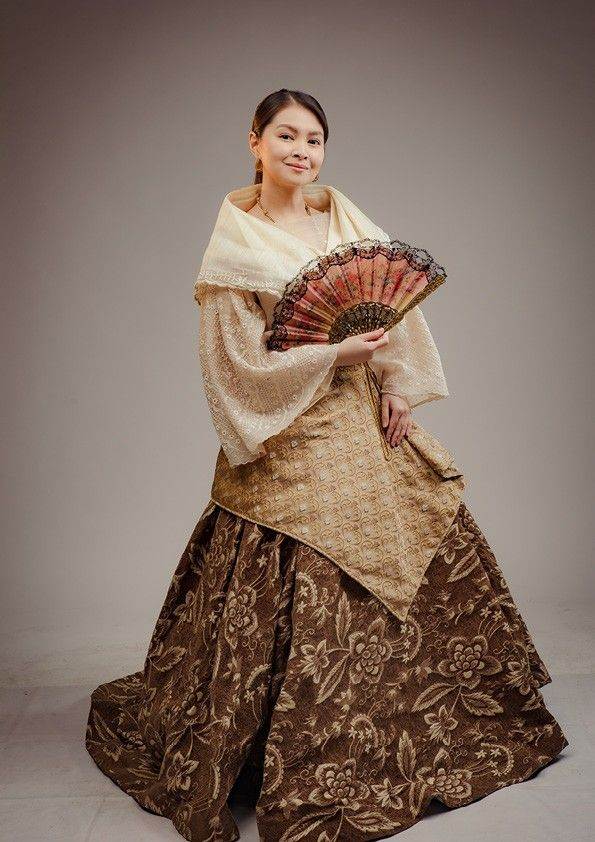
Maria Clara Dress both by prinerest.com
Styles
- Maria Clara Dress – Spanish-influenced, elegant, structured
- Balintawak – Rural version with bold floral prints
- Modern Baro’t Saya – Contemporary adaptations for events and festivals
Cultural Use
Seen during cultural dances, heritage festivals, and formal gatherings.
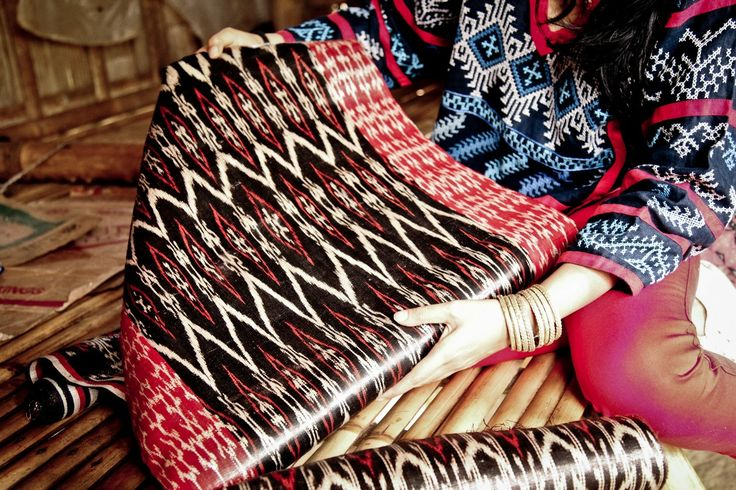
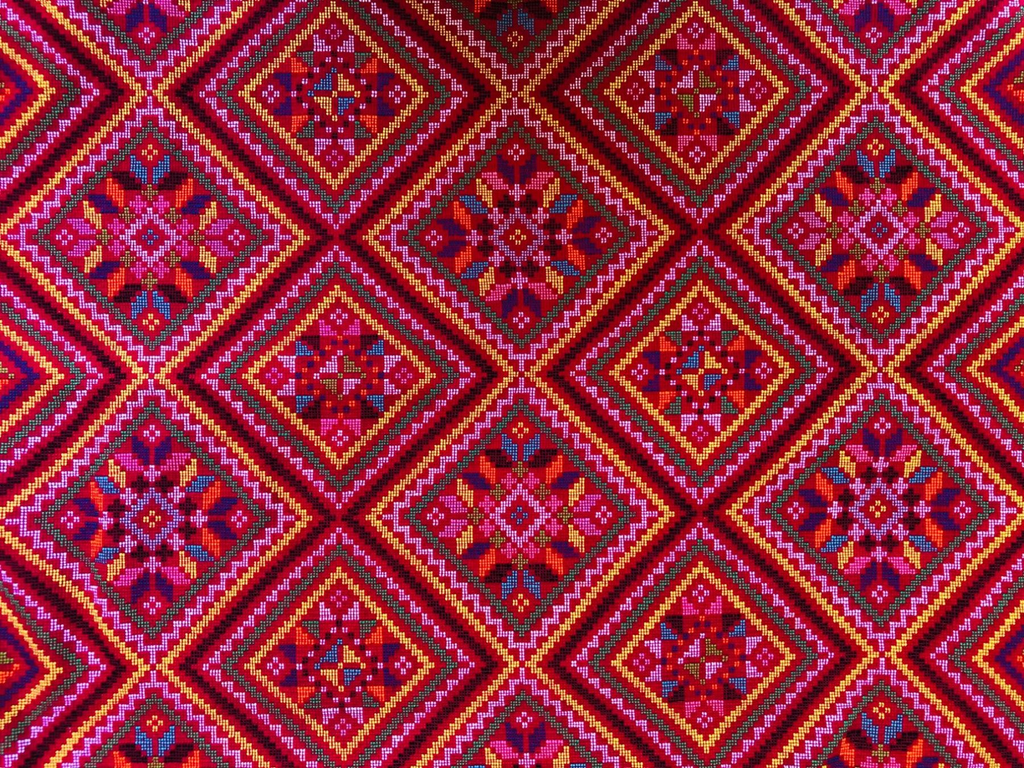
Indigenous Textiles & Weaving Traditions
The Philippines is home to more than 100 ethnolinguistic groups, each with unique weaving traditions passed down through generations.
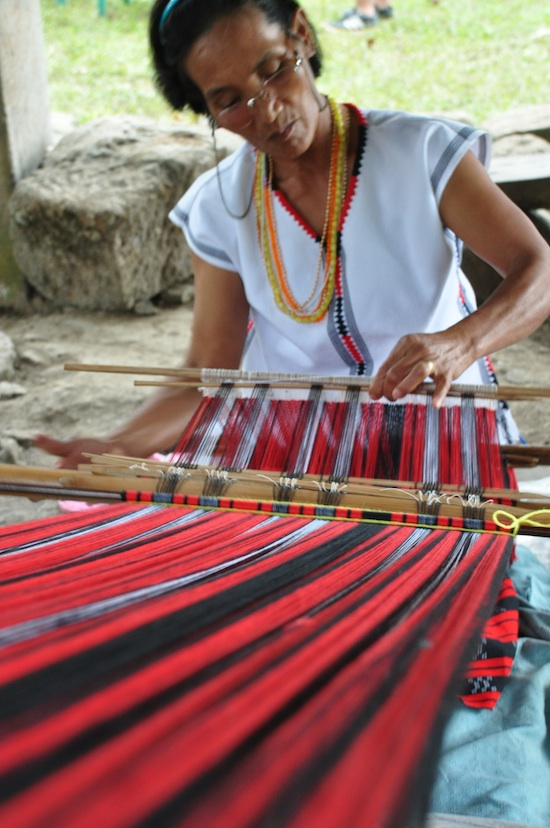
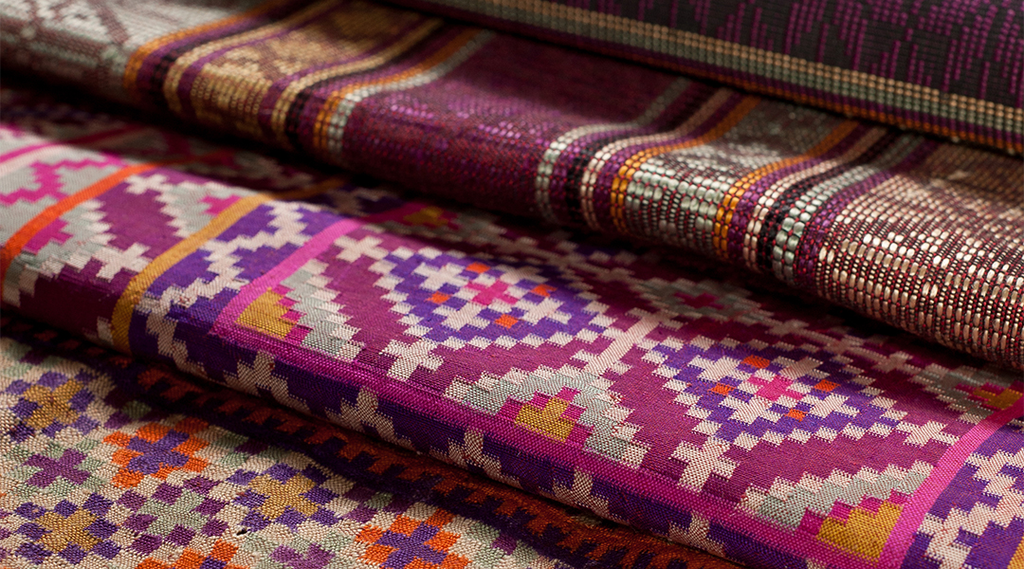
by prinerest.com by tatlerasia.com
Cordillera Weaving – Ifugao, Kalinga, Bontoc
Cordillera textiles are known for bold geometric patterns and deep cultural symbolism.
Characteristics
- Red, black, and white color palettes
- Diamond and zigzag motifs representing protection and ancestry
- Handwoven on backstrap looms
Notable Products
- Woven blankets
- Traditional tapis skirts
- Ethnic bags and scarves
T’nalak of the T’boli – Dream Weavers of Mindanao
The T’boli women of South Cotabato create T’nalak, a sacred abaca textile inspired by dreams.
Cultural Importance
- Patterns are believed to be gifts from ancestral spirits
- Used in weddings, rituals, and peace offerings
Distinct Features
- Deep brown, red, and black tones
- Complex symmetrical patterns
- Labor-intensive production requiring months of work
Yakan Weaving – Basilan & Zamboanga Peninsula
Yakan textiles are vibrant, colorful, and highly detailed.
Signature Elements
- Bright jewel tones
- Eye-catching geometric patterns
- Used for malong, table runners, and ceremonial garments
Inabel of Ilocos
Ilocano Inabel is a versatile cotton textile known for durability and beauty.
Uses
- Blankets
- Towels
- Clothing
- Home décor
Patterns
- Binakol (optical illusion pattern)
- Kusikos (whirlwind motif)
Traditional Arts & Crafts of the Philippines
Beyond clothing, Filipino artistry thrives in woodcraft, pottery, jewelry, and folk art.
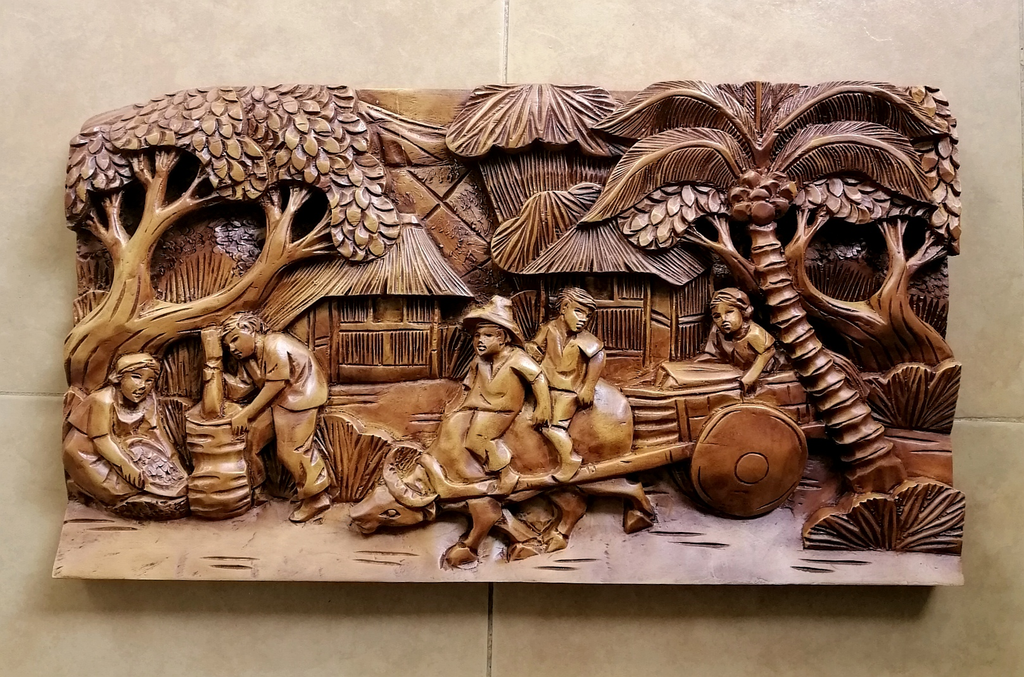
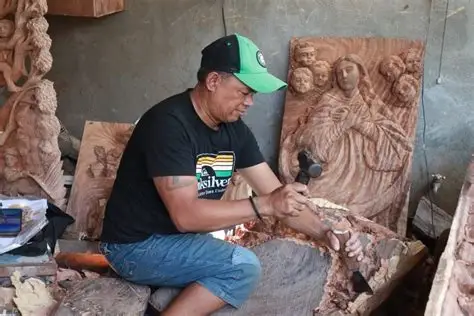
Woodcarving Traditions
Woodcarving is deeply rooted in indigenous and colonial-era craftsmanship.
by storage.googleapis.com by pia.gov.ph
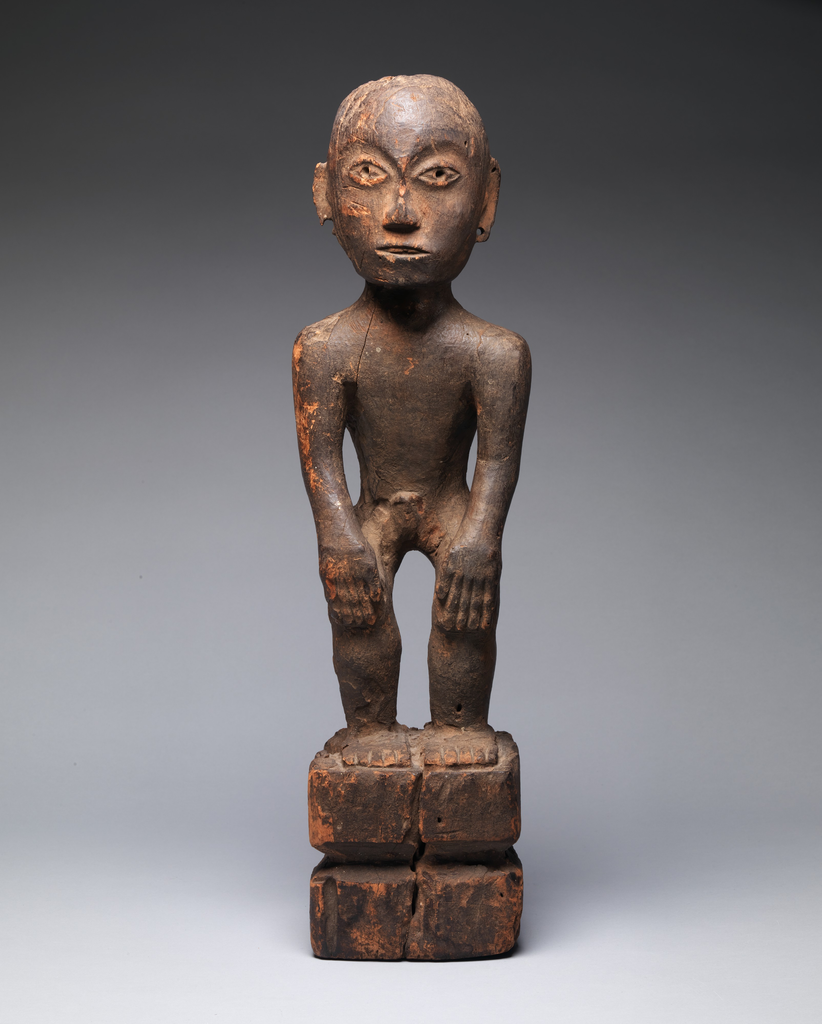
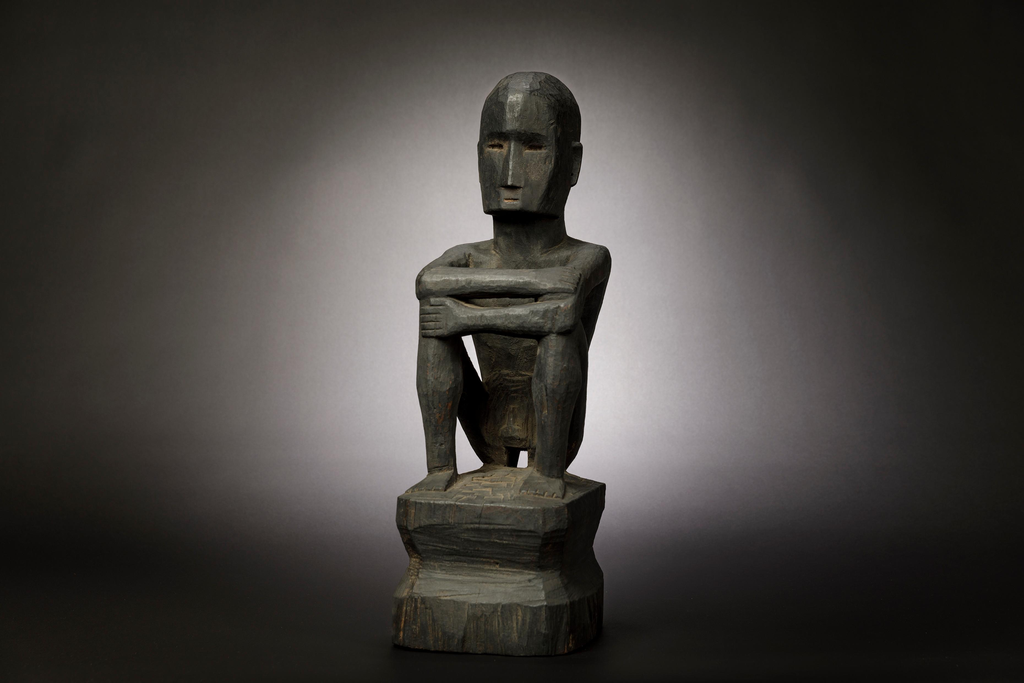
Bulul (male rice deity figure) by metmuseum.org Sitting Bulul Figure by theodorebruceauctions.com.au
Notable Forms
- Bulul rice guardian figures (Ifugao)
- Santos religious statues (Spanish influence)
- Hand-carved furniture from Pampanga and Laguna
Materials
- Narra
- Molave
- Acacia
Pottery & Earthenware
Pottery traditions date back thousands of years.
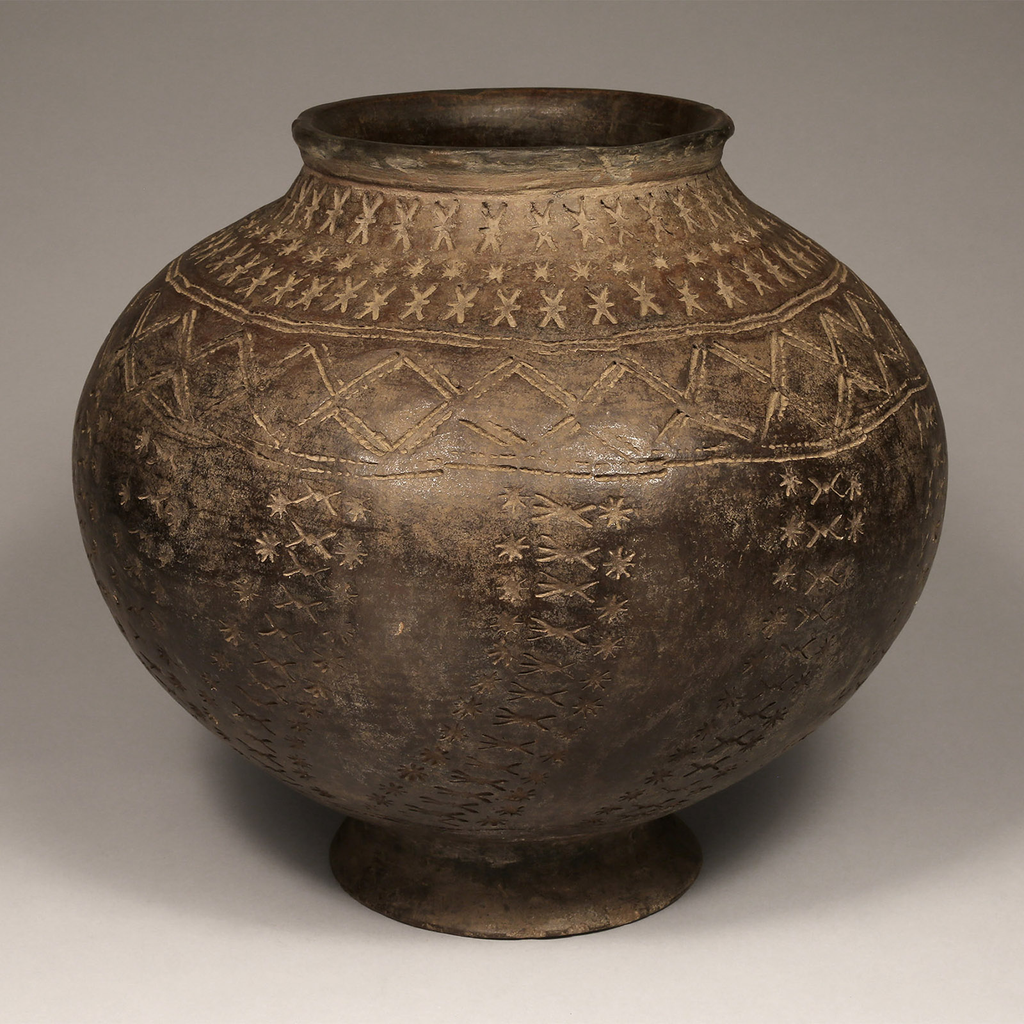
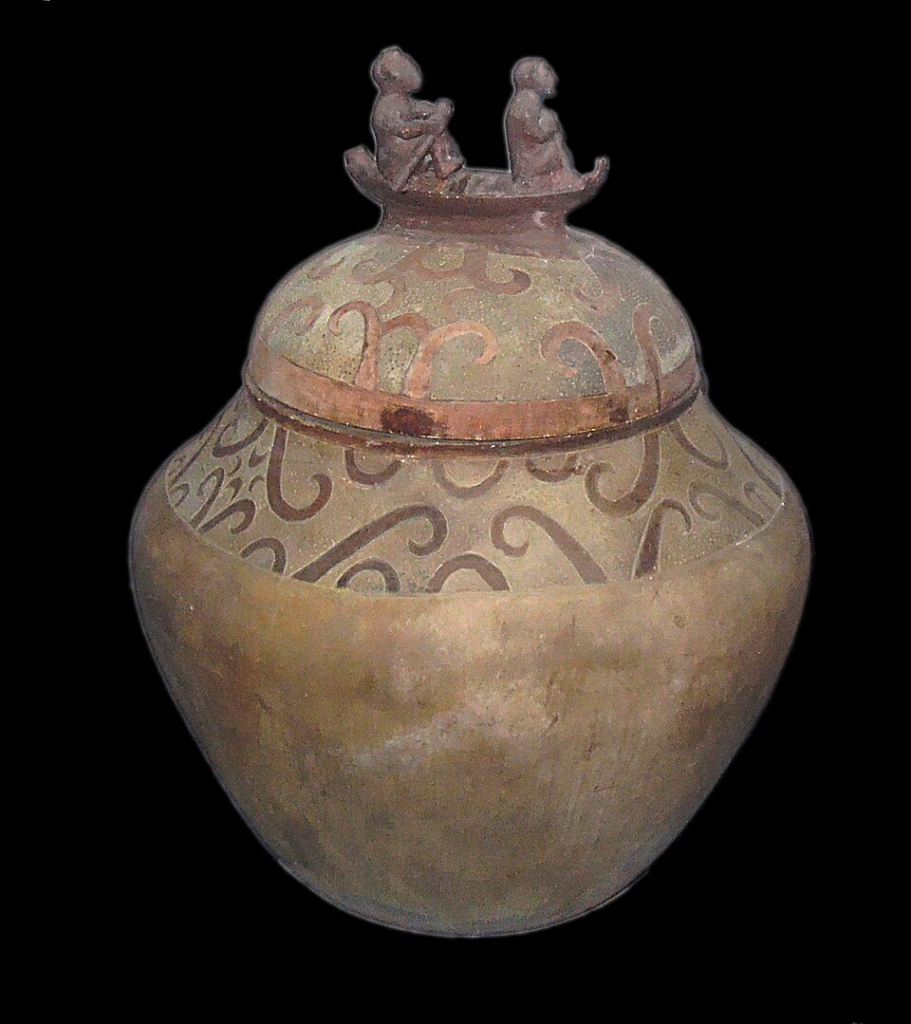
by storage.googleapis.com Manunggul Jar by commons.wikimedia.org
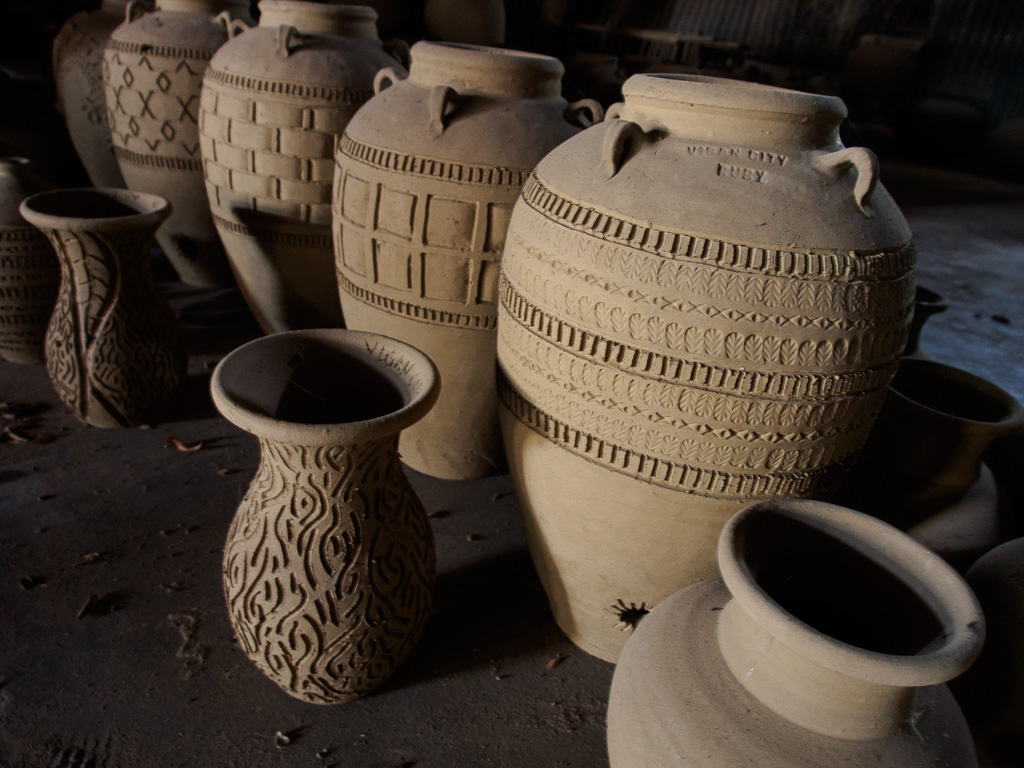
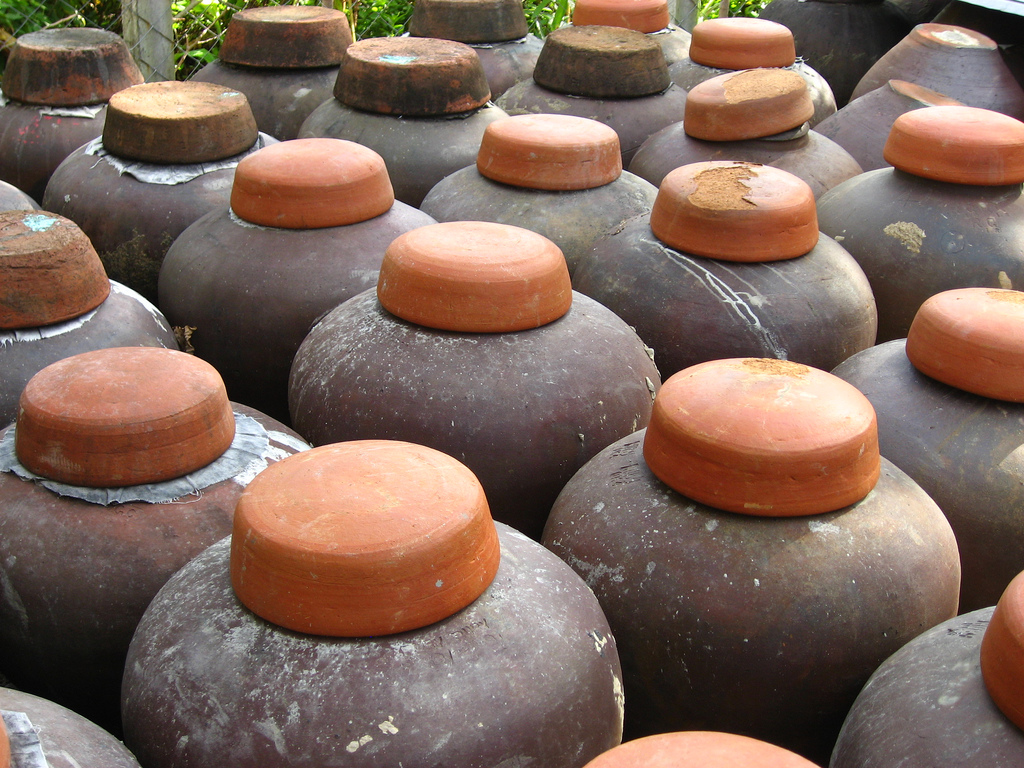
burnay both by philippinwoodpro.blogspot.com
Key Styles
- Burnay jars of Ilocos
- Manunggul-inspired pottery
- Contemporary studio ceramics in Luzon and Visayas
Uses
- Water storage
- Fermentation
- Ritual offerings
- Home décor
Jewelry & Metalwork
Filipino jewelry blends indigenous materials with colonial influences.
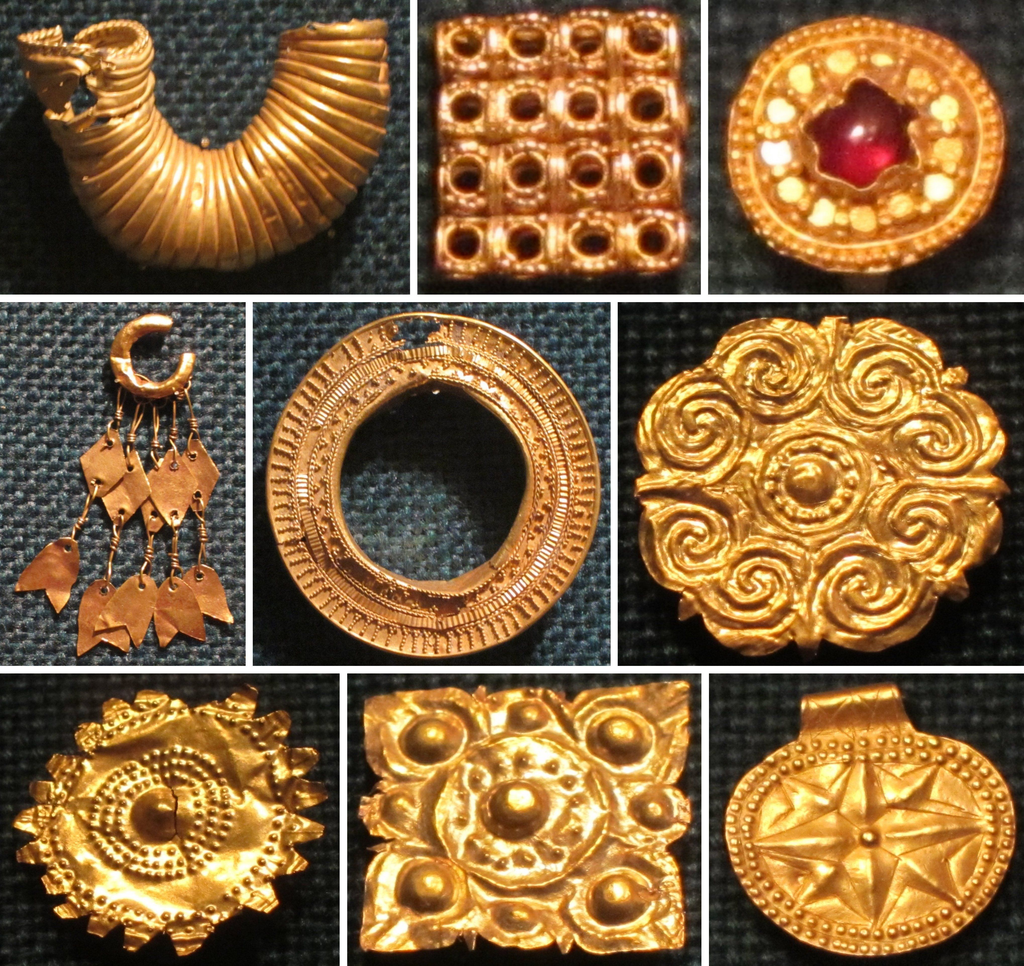
by storage.googleapis.com
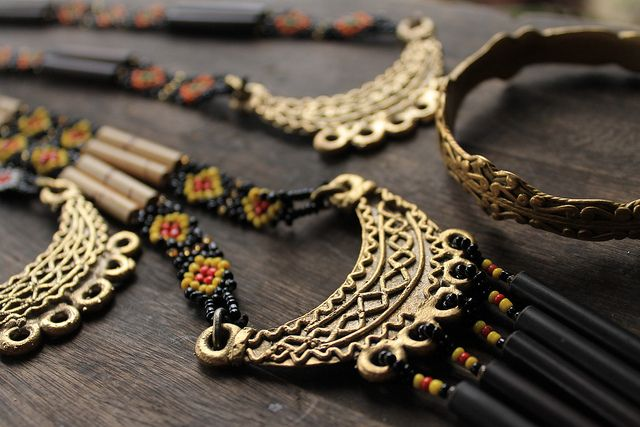
T’boli Brass Jewelry by ca.pinterest.com
Traditional Materials
- Gold
- Brass
- Shell
- Bone
- Beads
Iconic Pieces
- Lingling-o fertility amulet (Cordillera)
- Tambourine jewelry (Spanish-era filigree)
- Pearl accessories from Palawan
Folk Arts & Festival Crafts
Festivals across the Philippines showcase vibrant folk arts.
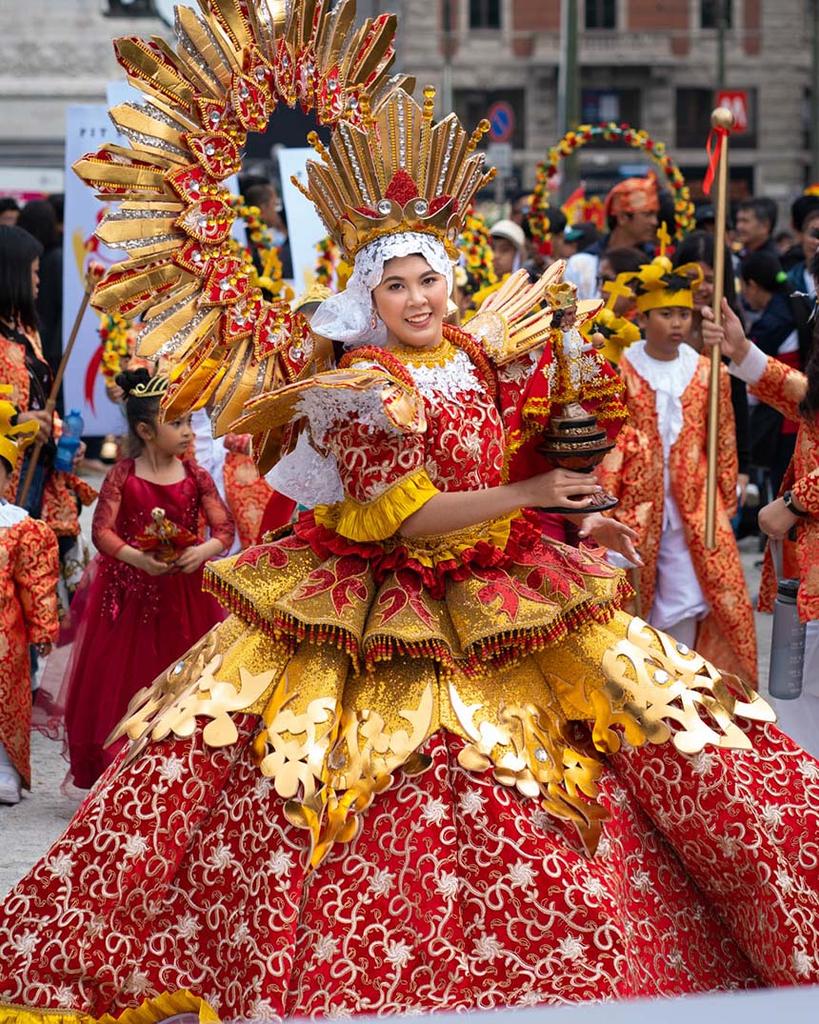
by fity
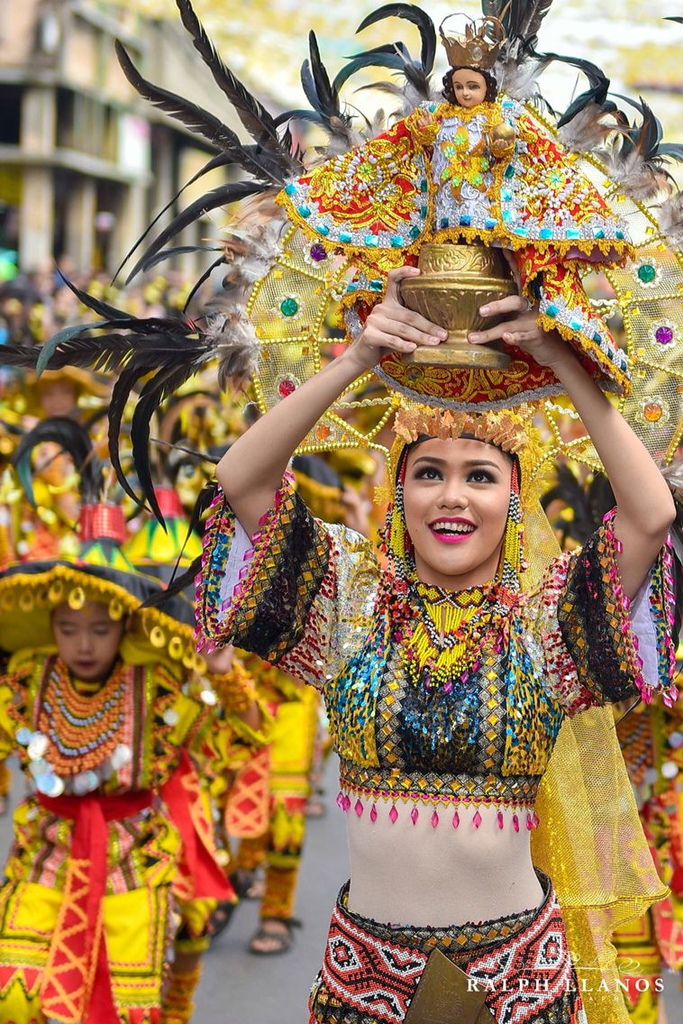
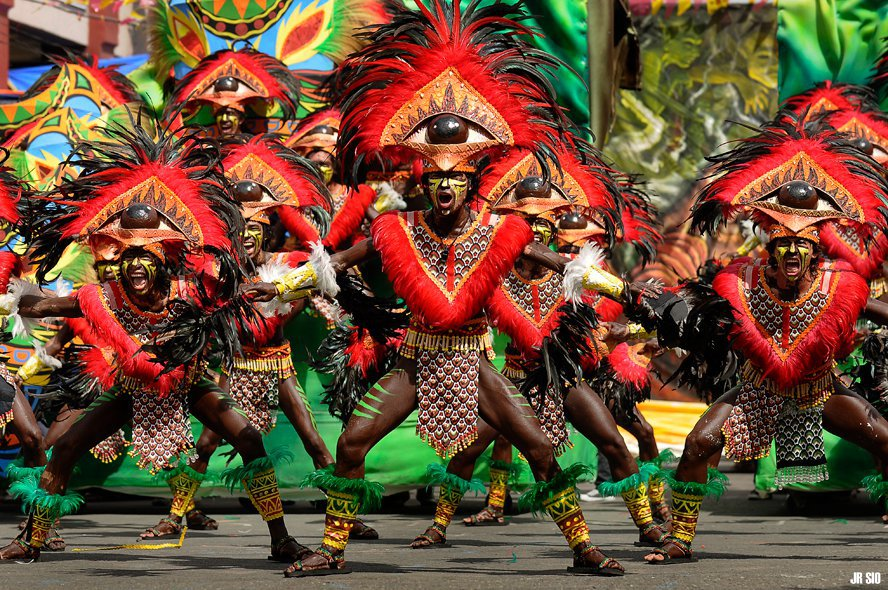
Sinulog Festival by storage.googleapis.com Ati-Atihan Festival by by storage.googleapis.com
Popular Festival Arts
- Mask-making (MassKara Festival)
- Beadwork and sequined costumes (Sinulog, Dinagyang)
- Hand-painted shields and tribal wear (Kadayawan)
Where to Experience Traditional Clothing & Arts
Visitors and expats can explore Filipino craftsmanship through museums, cultural villages, artisan markets, and heritage towns.
Museums & Cultural Centers
- National Museum of Anthropology – Manila
- Ayala Museum – Makati
- Museo Kordilyera – Baguio
- Mindanao State Museum – Marawi
Artisan Markets & Ethical Shops
- Kultura Filipino
- ANTHILL Fabric Gallery
- Rurungan sa Tubod Foundation
- Local weaving cooperatives in Ilocos, Cordillera, and Mindanao
Heritage Towns
- Vigan – Ilocano weaving and pottery
- Taal – Barong embroidery and piña weaving
- Lake Sebu – T’nalak weaving villages
Buying Traditional Clothing & Arts Ethically
Supporting local artisans ensures cultural preservation and fair income.
Tips
- Buy directly from cooperatives
- Avoid mass-produced imitations
- Look for fair-trade certifications
- Ask about the origin of materials
- Support indigenous-led organizations
Related Guides
- Philippine Cultural Etiquette
- Philippine Souvenirs & Handicrafts
- UNESCO Sites Guide
- Philippine History for Travelers
- Coffee & Café Culture
- Festivals & Cultural Events
Conclusion – Explore Filipino Heritage Through Clothing & Arts
Traditional clothing and arts offer a window into the Philippines’ diverse cultural identity. Whether you’re a visitor or an expat, exploring indigenous textiles, handcrafted garments, pottery, woodcarving, and festival arts enriches your understanding of the country and supports local communities.