Explore the diverse rice varieties of the Philippines—from heirloom Cordillera grains to aromatic Mindanao upland rice. Learn regional origins, flavor profiles, farming traditions, and how each variety shapes Filipino cuisine.
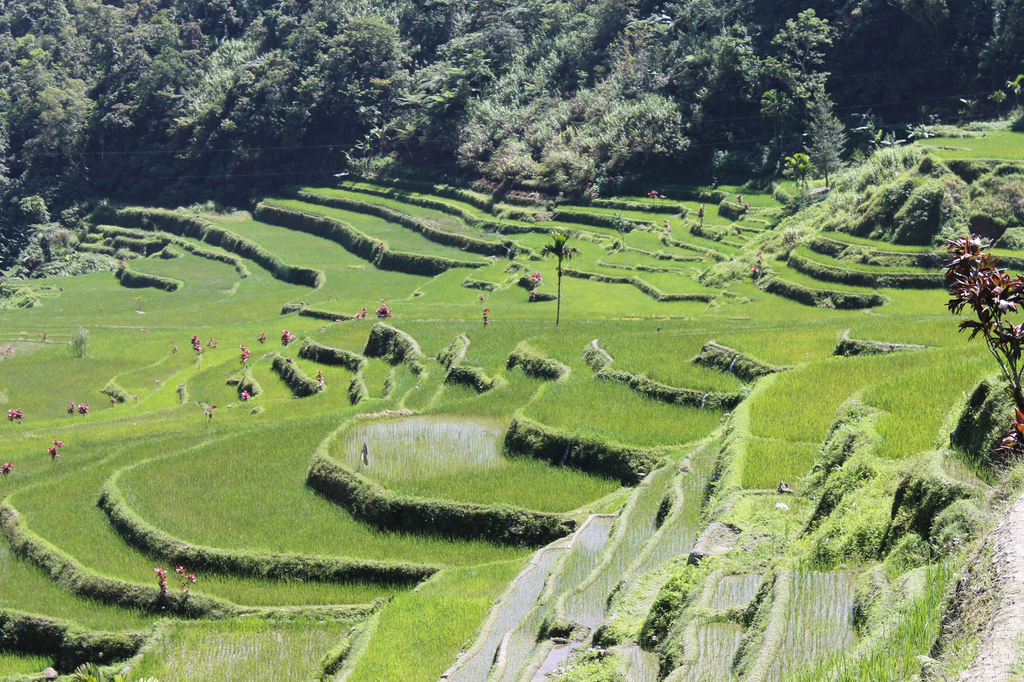
Hungduan Rice Terraces, Ifugao by pinterest.com
by shoppee.com
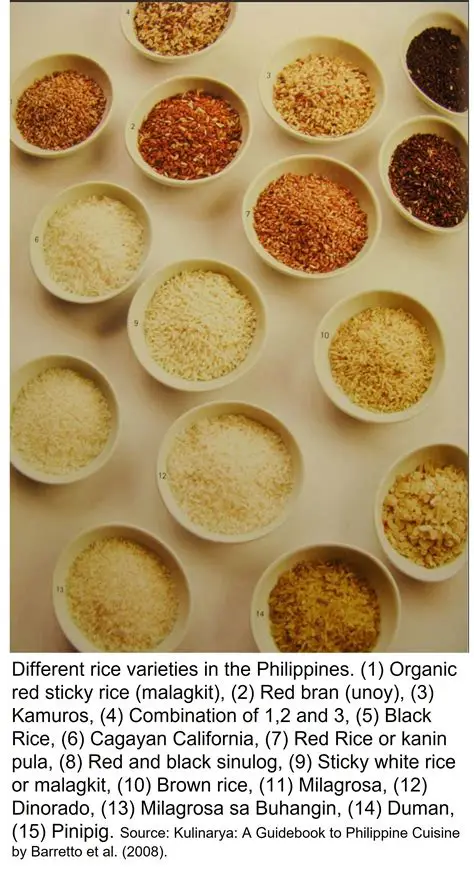
by nnc.gov.ph
Rice Varieties in the Philippines: Regional Types, Flavor Profiles, and Cultural Significance
Rice is more than a staple in the Philippines—it is heritage, identity, and daily sustenance. Across Luzon, Visayas, and Mindanao, farmers cultivate dozens of rice varieties shaped by geography, climate, indigenous traditions, and culinary needs. From the world‑famous heirloom grains of the Cordilleras to the aromatic upland rice of Mindanao, each variety carries a story of land, people, and culture.
This comprehensive guide explores the major rice varieties grown across the Philippines, their regional origins, flavor profiles, culinary uses, and cultural importance. It also connects directly to your Rice silo through related guides such as Rice Farming Traditions, Rice Cooked Dishes, and Rice Desserts.
Major Rice Varieties of the Philippines
The Philippines grows a wide spectrum of rice varieties, each adapted to specific landscapes—from mountain terraces to lowland plains and coastal deltas. Below are the most culturally and commercially significant types.
Heirloom Cordillera Rice Varieties (Luzon)
The Cordillera region is home to some of the world’s most prized heirloom rice varieties. Cultivated for centuries on the Ifugao Rice Terraces, these grains are grown using indigenous knowledge systems and organic methods.
Tinawon
Tinawon is a rare single‑harvest rice grown only once a year.
- Region: Ifugao
- Grain: Short, plump, slightly sticky
- Flavor: Nutty, aromatic, earthy
- Culinary Uses: Special occasions, rituals, heirloom rice dishes
Tinawon’s limited production makes it one of the most sought‑after heritage grains in the Philippines.
Unoy
Unoy rice is grown in Kalinga and is known for its versatility.
- Region: Kalinga
- Grain: Medium, slightly red or brown
- Flavor: Mild, slightly sweet
- Culinary Uses: Daily meals, rice cakes, mixed grain dishes
Diket (Sticky Heirloom Rice)
Diket is the heirloom version of glutinous rice.
- Region: Ifugao, Mountain Province
- Grain: Short, sticky
- Flavor: Rich, sweet, perfect for desserts
- Culinary Uses: Kakanin, festival desserts, ritual offerings
These heirloom varieties connect directly to your Rice Farming Traditions page, especially the indigenous agricultural systems of the Cordilleras.
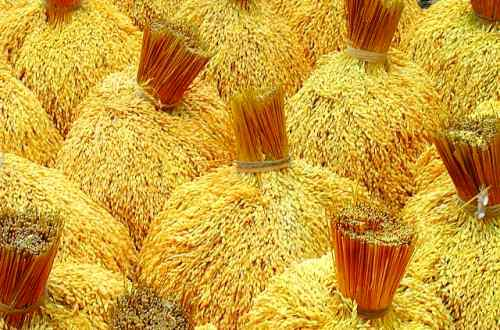
by top-destination-choice-the-philippines.com by agriculture.com.ph
Aromatic and Premium Rice Varieties (Luzon & Visayas)
These varieties are widely consumed across the country and often associated with premium quality.
Dinorado
Dinorado is one of the most popular premium rice varieties in the Philippines.
- Region: Mindoro, Panay
- Grain: Medium, pinkish hue
- Flavor: Soft, fragrant, slightly sweet
- Culinary Uses: Daily meals, celebrations, restaurant dishes
Dinorado’s soft texture makes it ideal for Filipino comfort food.
Jasmine (Locally Grown)
Local Jasmine rice mimics the aroma of Thai Jasmine.
- Region: Nueva Ecija, Iloilo
- Grain: Long, slender
- Flavor: Floral, aromatic
- Culinary Uses: Fried rice, Asian dishes, upscale dining
Milagrosa
Milagrosa is often mistaken for Jasmine due to its aroma.
- Region: Central Luzon
- Grain: Long, aromatic
- Flavor: Mild, fragrant
- Culinary Uses: Daily meals, special occasions
Glutinous Rice (Malagkit) Varieties
Glutinous rice is essential in Filipino desserts and festival dishes.
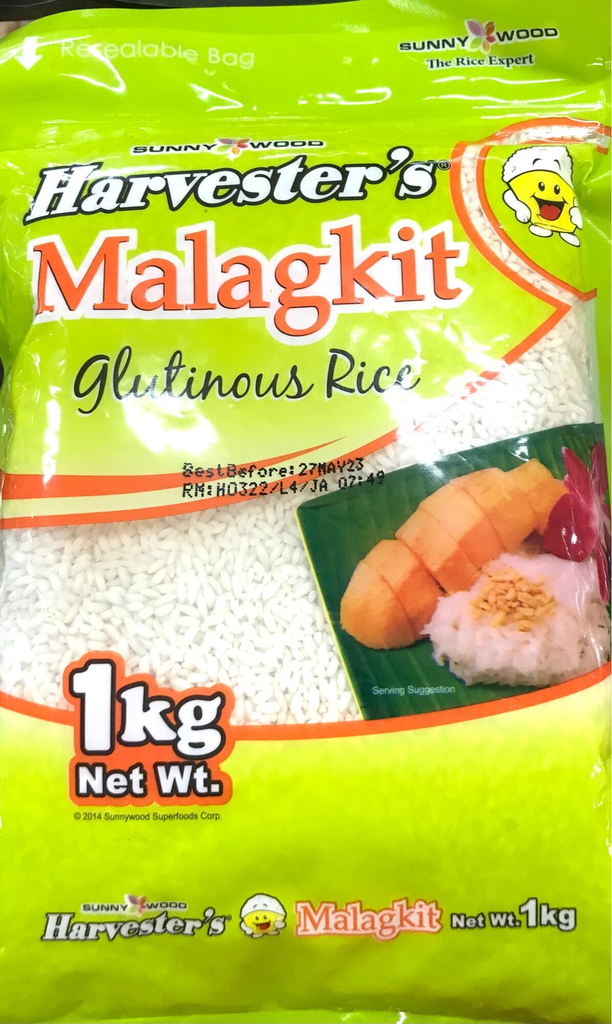
White Malagkit
- Region: Nationwide
- Grain: Short, sticky
- Flavor: Neutral, perfect for sweet dishes
- Culinary Uses: Biko, suman, sapin‑sapin, palitaw
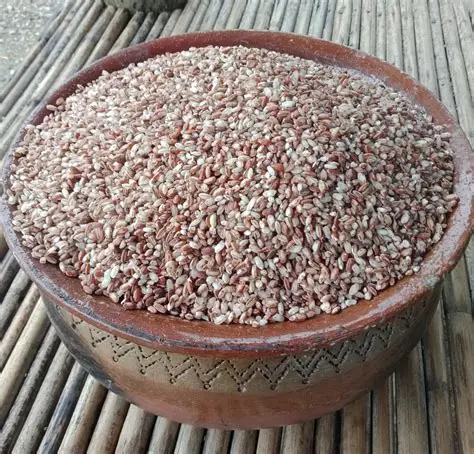
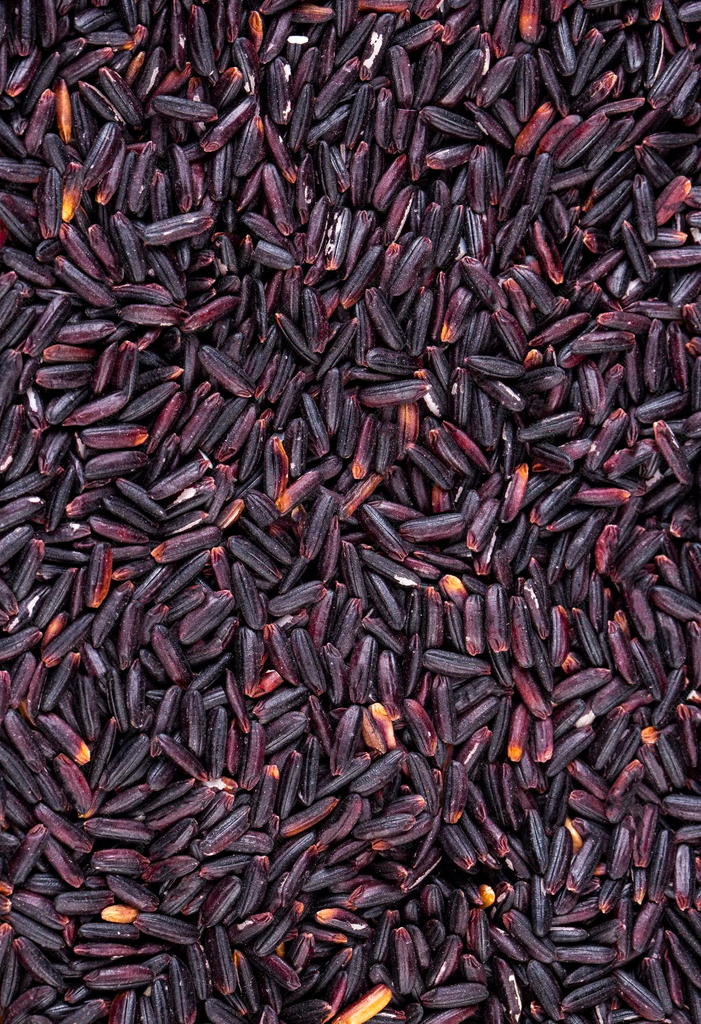
Black Malagkit
- Region: Cordillera, Mindanao
- Grain: Dark purple to black
- Flavor: Deep, earthy, sweet
- Culinary Uses: Putong itim, kakanin, heritage desserts
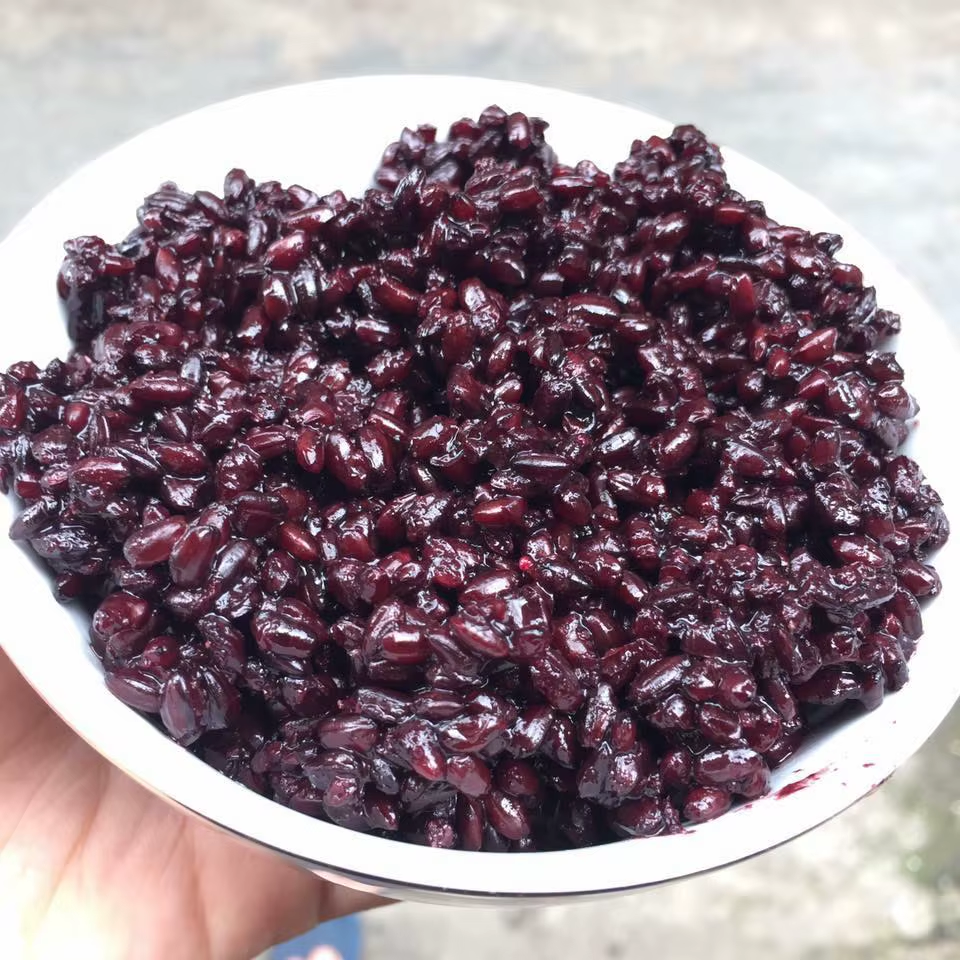
Red Malagkit
- Region: Northern Luzon
- Grain: Reddish, sticky
- Flavor: Nutty, sweet
- Culinary Uses: Festival desserts, heirloom kakanin
Relate Guides
by azada.com.ph
Black Glutinous Rice (black sticky) by freepik.com Red Glutinous Rice (Red Sticky) by alibaba.com
Upland Rice Varieties (Mindanao & Palawan)
Upland rice varieties thrive in non‑irrigated, mountainous areas and are often cultivated by indigenous communities.
Mindanao Aromatic Upland Rice
- Region: Bukidnon, Davao, CARAGA
- Grain: Medium, aromatic
- Flavor: Floral, slightly sweet
- Culinary Uses: Daily meals, heritage dishes
BARMM Heirloom Rice
- Region: Maguindanao, Lanao del Sur
- Grain: Medium, sometimes reddish
- Flavor: Earthy, bold
- Culinary Uses: Traditional Moro dishes
Palawan Indigenous Upland Rice
- Region: Northern & Southern Palawan
- Grain: Medium, often colored
- Flavor: Nutty, aromatic
- Culinary Uses: Tribal dishes, cultural celebrations
Related Guides
- Eco-Tourism: Natural Landforms – Sandbars, Volcanos, Waterfalls, & Wetlands
- Indigenous food culture
- Filipino Food Cultural Guide
Commercial Lowland Rice Varieties (Nationwide)
These varieties dominate national production and are used for everyday meals.
IR64
- Region: Nationwide
- Grain: Long, slender
- Flavor: Mild
- Culinary Uses: Daily meals, carinderia dishes
NSIC Rc Series (Modern Varieties)
These are government‑developed varieties for high yield and climate resilience.
- Region: Nationwide
- Grain: Varies
- Flavor: Neutral
- Culinary Uses: Household meals, commercial food service
Hybrid Rice Varieties
- Region: Central Luzon, Cagayan Valley
- Grain: Long, uniform
- Flavor: Mild
- Culinary Uses: Mass consumption, food service
Regional Breakdown of Rice Varieties
Understanding rice varieties by region helps travelers and food enthusiasts appreciate how geography shapes Filipino cuisine.
Luzon
- Tinawon
- Unoy
- Diket
- Dinorado
- Milagrosa
- White & Red Malagkit
- Hybrid rice varieties
Luzon’s diversity comes from its mix of highland terraces and lowland plains.
Visayas
- Dinorado (Panay)
- Jasmine (Iloilo)
- White Malagkit
- Commercial lowland varieties
Visayas rice is known for its fragrant grains and strong dessert traditions.
Mindanao
- Aromatic upland rice
- BARMM heirloom rice
- Black Malagkit
- Commercial lowland varieties
Mindanao’s indigenous communities preserve unique upland varieties rarely found elsewhere.
Culinary Uses of Philippine Rice Varieties
Rice varieties influence how dishes are prepared across the country.
Daily Meals
- Dinorado
- Jasmine
- Milagrosa
- IR64
- NSIC Rc varieties
These grains pair well with Filipino staples like adobo, sinigang, and grilled meats.
Related Guides
Desserts and Kakanin
- White Malagkit
- Black Malagkit
- Red Malagkit
- Diket
These varieties are essential for bibingka, suman, sapin‑sapin, biko, and festival desserts.
Related Guides
Heritage and Ritual Dishes
- Tinawon
- Unoy
- Palawan upland rice
- BARMM heirloom rice
These grains are used in indigenous ceremonies, harvest rituals, and cultural celebrations.
Related Guides
- Rice Farming Traditions
- Rice Cooked Dishes
- Rice Desserts
- Rice Guide Landing Page
Rice Varieties Summary Chart
| Rice Variety | Region of Origin | Grain Type | Flavor Profile | Primary Uses |
|---|---|---|---|---|
| Tinawon | Ifugao (Cordillera) | Short, plump | Nutty, aromatic, earthy | Heritage dishes, rituals |
| Unoy | Kalinga | Medium, colored | Mild, slightly sweet | Daily meals, kakanin |
| Diket | Ifugao / Mountain Province | Short, sticky | Rich, sweet | Desserts, festival dishes |
| Dinorado | Mindoro / Panay | Medium, pinkish | Soft, fragrant | Daily meals, celebrations |
| Jasmine (Local) | Nueva Ecija / Iloilo | Long, slender | Floral, aromatic | Fried rice, Asian dishes |
| Milagrosa | Central Luzon | Long, aromatic | Mild, fragrant | Daily meals |
| White Malagkit | Nationwide | Short, sticky | Neutral | Biko, suman, sapin‑sapin |
| Black Malagkit | Cordillera / Mindanao | Dark, sticky | Earthy, sweet | Putong itim, kakanin |
| Red Malagkit | Northern Luzon | Red, sticky | Nutty, sweet | Festival desserts |
| Mindanao Aromatic Upland | Bukidnon / Davao / CARAGA | Medium | Floral, slightly sweet | Heritage dishes |
| BARMM Heirloom | Maguindanao / Lanao del Sur | Medium, colored | Earthy, bold | Moro traditional dishes |
| Palawan Upland | Palawan | Medium, colored | Nutty, aromatic | Tribal dishes |
| IR64 | Nationwide | Long | Mild | Daily meals |
| NSIC Rc Series | Nationwide | Various | Neutral | Household meals |
| Hybrid Rice | Central Luzon / Cagayan Valley | Long, uniform | Mild | Mass consumption |
Conclusion — Discover the Philippines Through Its Rice
Rice varieties reveal the soul of Filipino cuisine. Whether you’re exploring the terraces of Ifugao, tasting aromatic upland rice in Mindanao, or enjoying kakanin in the Visayas, each grain tells a story of land, heritage, and culture.
If you want to continue exploring how rice shapes Filipino food traditions, visit our full guides on regional farming, cooked dishes, and rice desserts—and discover why rice truly is life in the Philippines.