Explore the best Filipino vegetable dishes (gulay recipes) including classics like pinakbet, laing, ginisang gulay, and more. Learn ingredients, cooking methods, regional variations, and tips for preparing healthy, flavorful Filipino vegetable meals.
Vegetable Dishes in the Philippines: Complete Filipino Gulay Guide
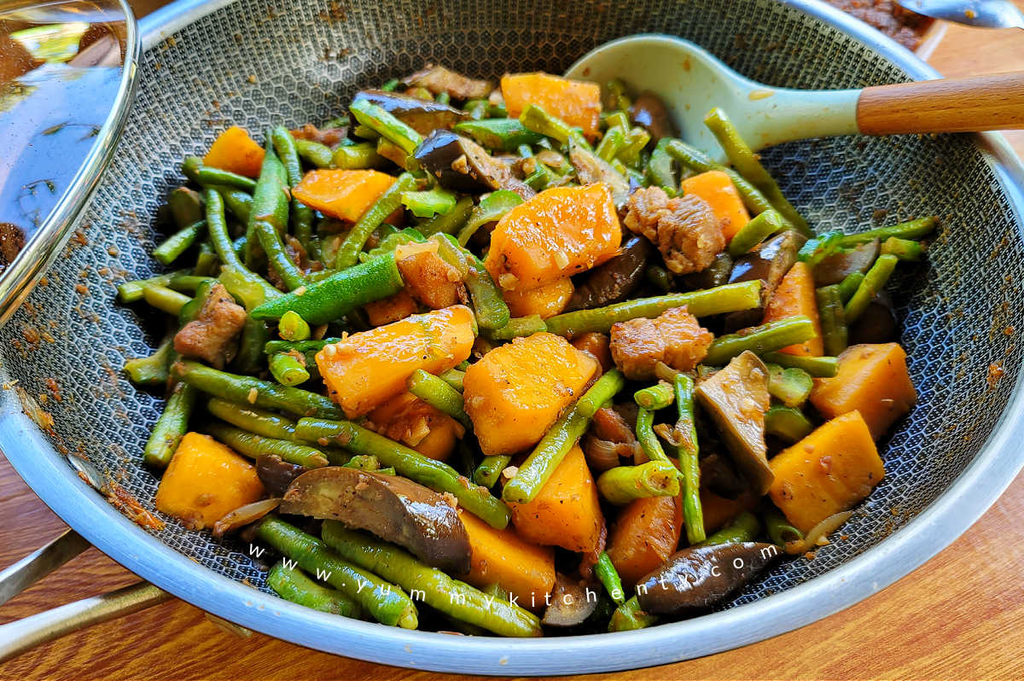
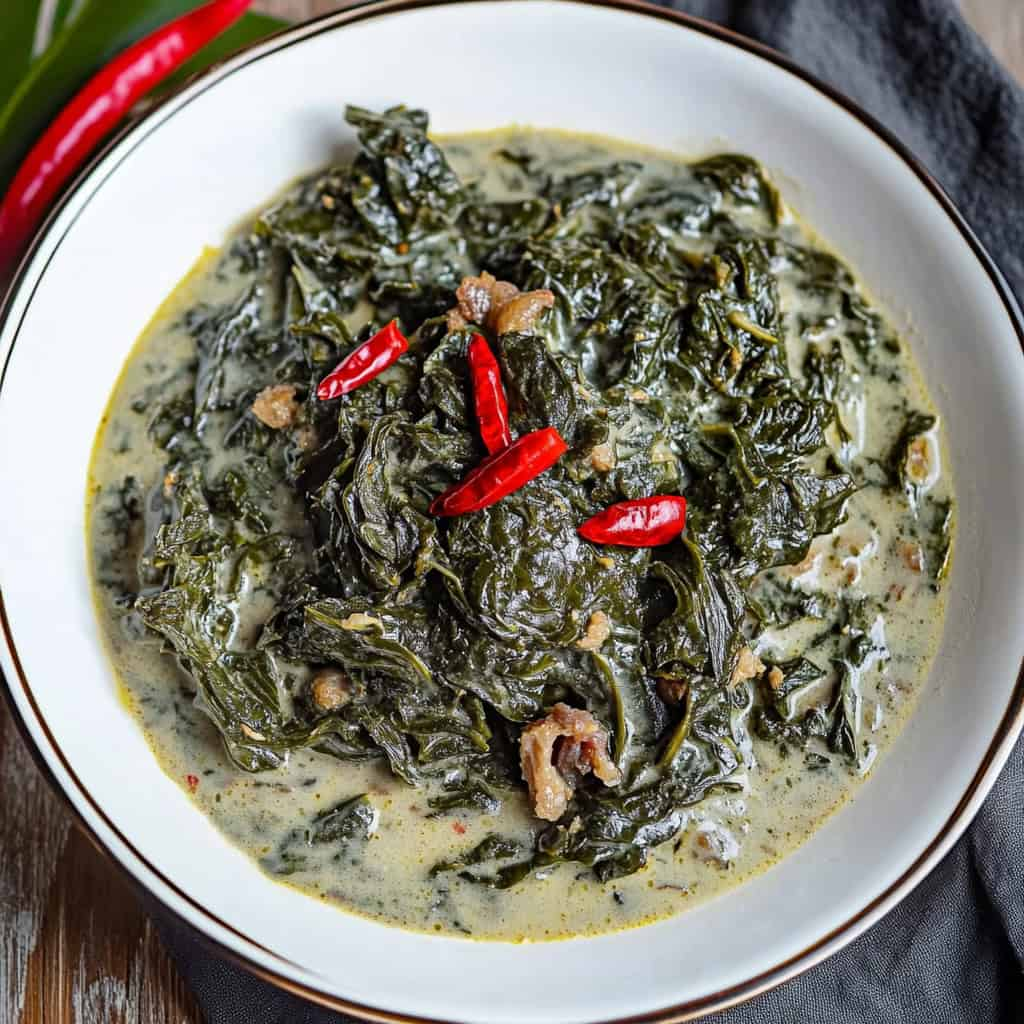
by fdgroupsrl.com Bicolano Laing by kusinasecrets.com
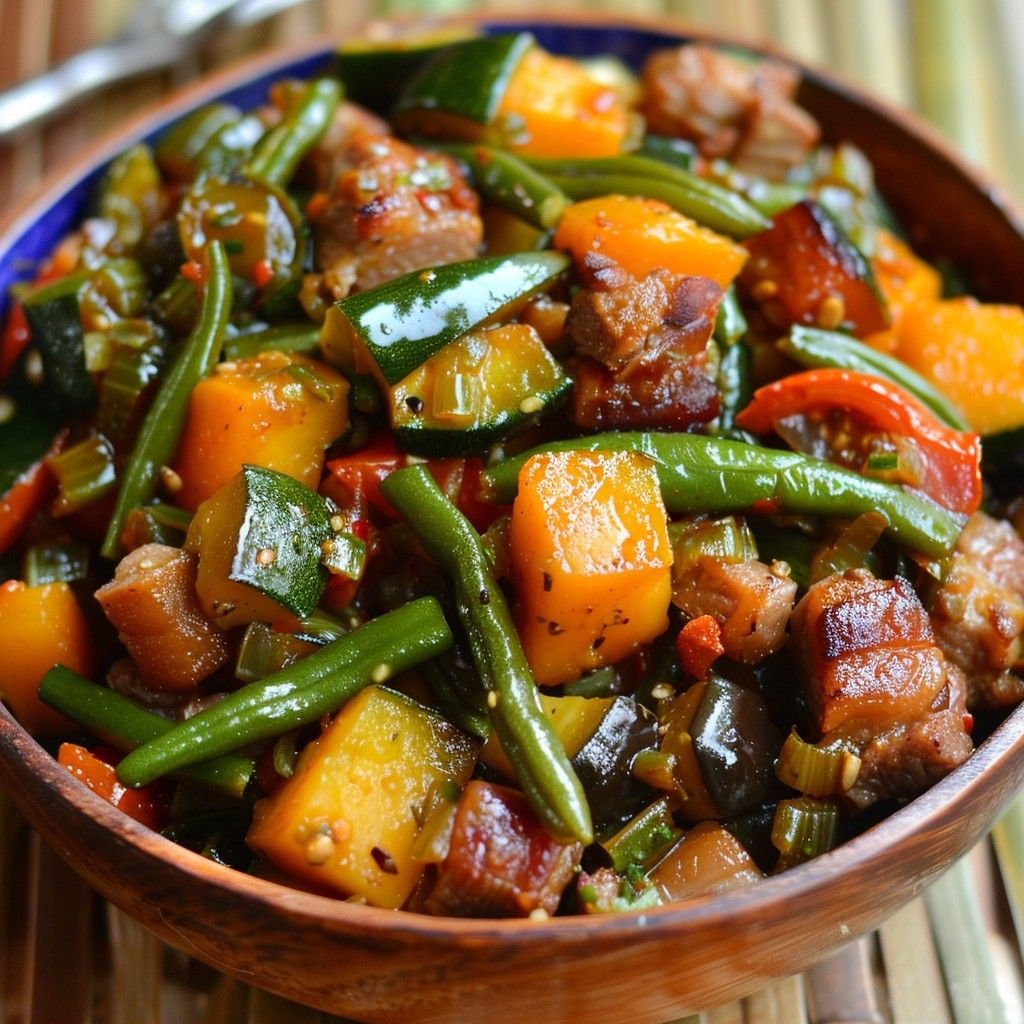
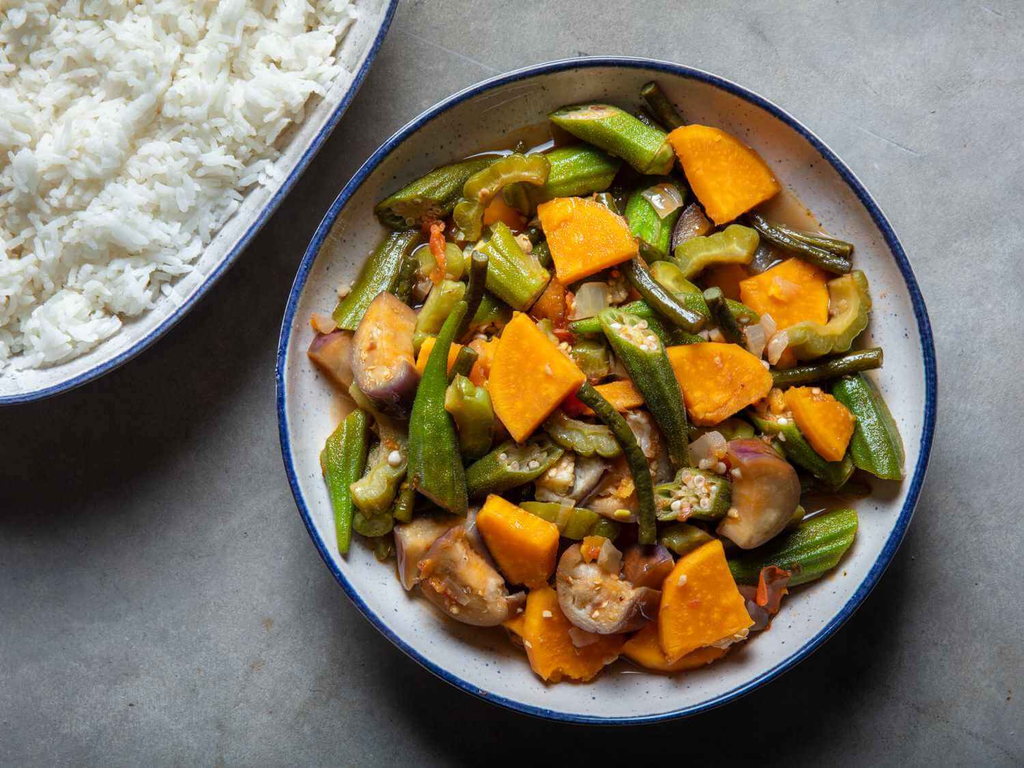
by ca.pinterest.com by flashugnews.com
Vegetable dishes, or gulay (goo-lie), are essential to Filipino cuisine. They appear in everyday home cooking, fiesta spreads, coastal communities, mountain provinces, and even modern Filipino restaurants. While Filipino food is often associated with pork, chicken, and seafood, vegetable dishes form the backbone of traditional diets — especially in agricultural regions like Ilocos, Cordillera, Bicol, and Mindanao.
This guide explores the most iconic Filipino vegetable dishes, regional specialties, cooking techniques, ingredients, and tips to help readers appreciate and prepare gulay at home.
What Makes Filipino Vegetable Dishes Unique
Filipino vegetable dishes stand out because they combine fresh local produce, indigenous cooking methods, and regional flavor profiles shaped by geography and culture. Unlike Western vegetable dishes that often rely on roasting or salads, Filipino gulay recipes are typically stews, sautéed dishes, coconut‑based recipes, or fermented blends.
Common Characteristics of Filipino Gulay
- Fresh local vegetables — eggplant, okra, ampalaya, malunggay, kalabasa, sitaw, gabi, pechay, and more.
- Coconut-based cooking — especially in Bicol and Visayas.
- Fermented and preserved flavors — bagoong, patis, and smoked fish.
- Slow stewing techniques — allowing vegetables to absorb deep savory flavors.
- Regional diversity — each region has its own signature vegetable dish.
Health Benefits of Gulay
Filipino vegetable dishes are naturally rich in:
- Fiber
- Vitamins A, C, and K
- Antioxidants
- Plant-based protein (from legumes and leafy greens)
- Healthy fats (from coconut milk)
Popular Cooking Methods
- Gisa (sautéing) — garlic, onion, tomato base.
- Nilaga (boiling) — simple broth-based vegetable dishes.
- Ginataan (coconut milk) — creamy, spicy, and rich.
- Inihaw (grilling) — smoky flavors for eggplant and okra.
- Pinakbet-style stewing — vegetables cooked with bagoong.
Most Popular Filipino Vegetable Dishes
Below is a comprehensive breakdown of the most iconic Filipino vegetable dishes, their origins, ingredients, and cooking styles.
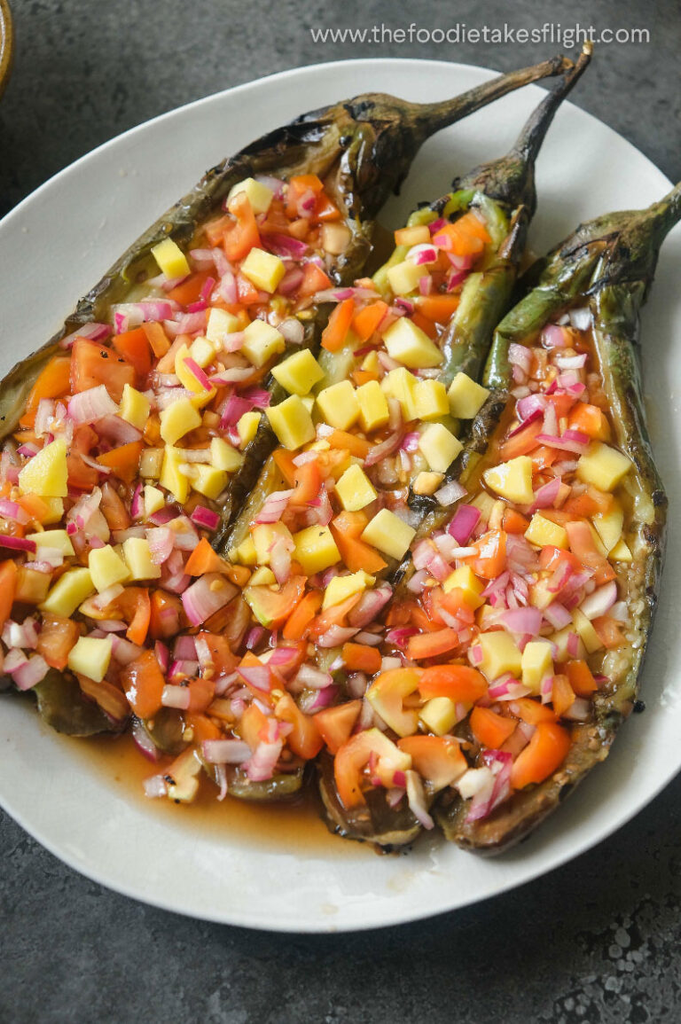
Ensaladang Talong by thefoodietakesflight.com
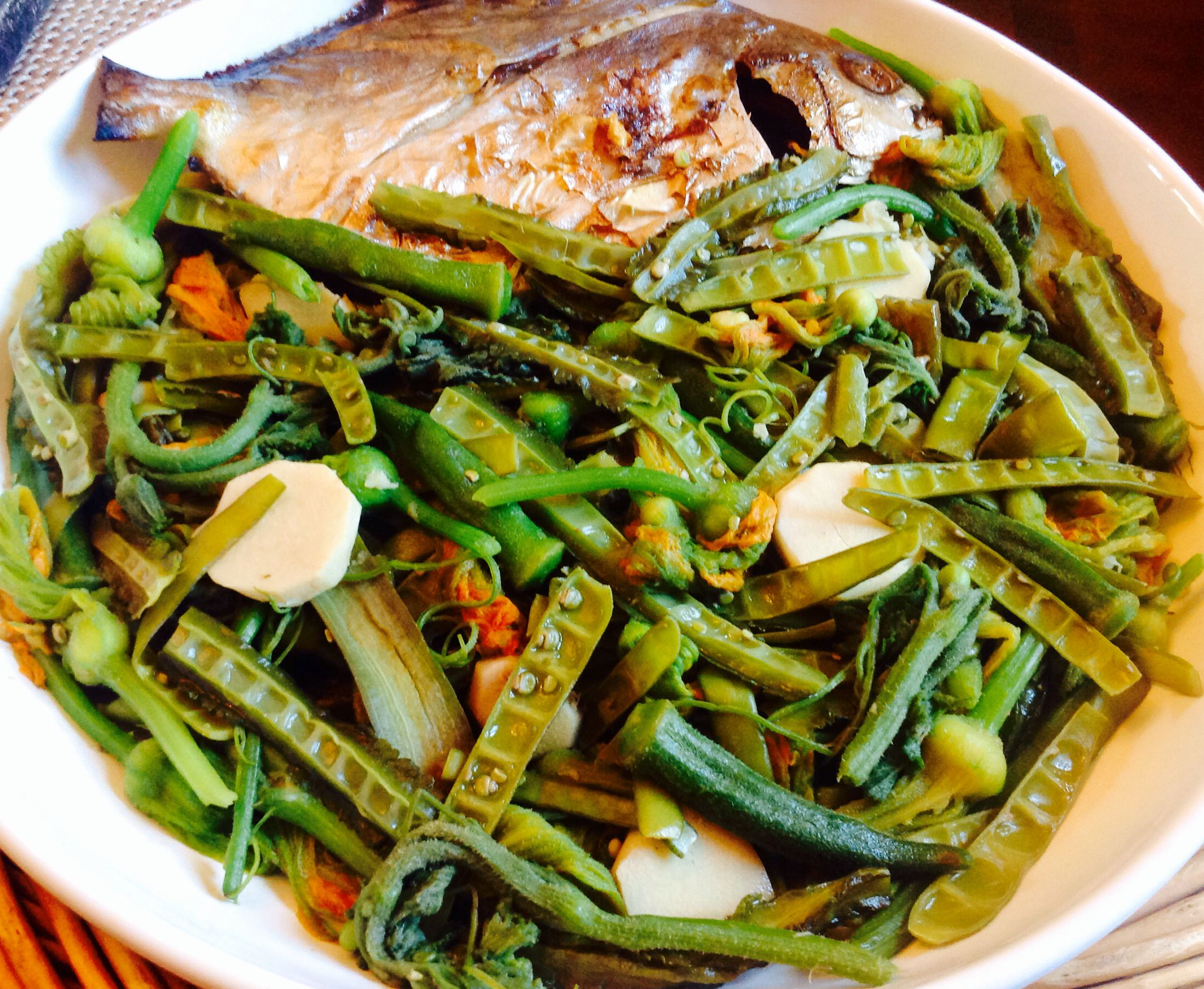
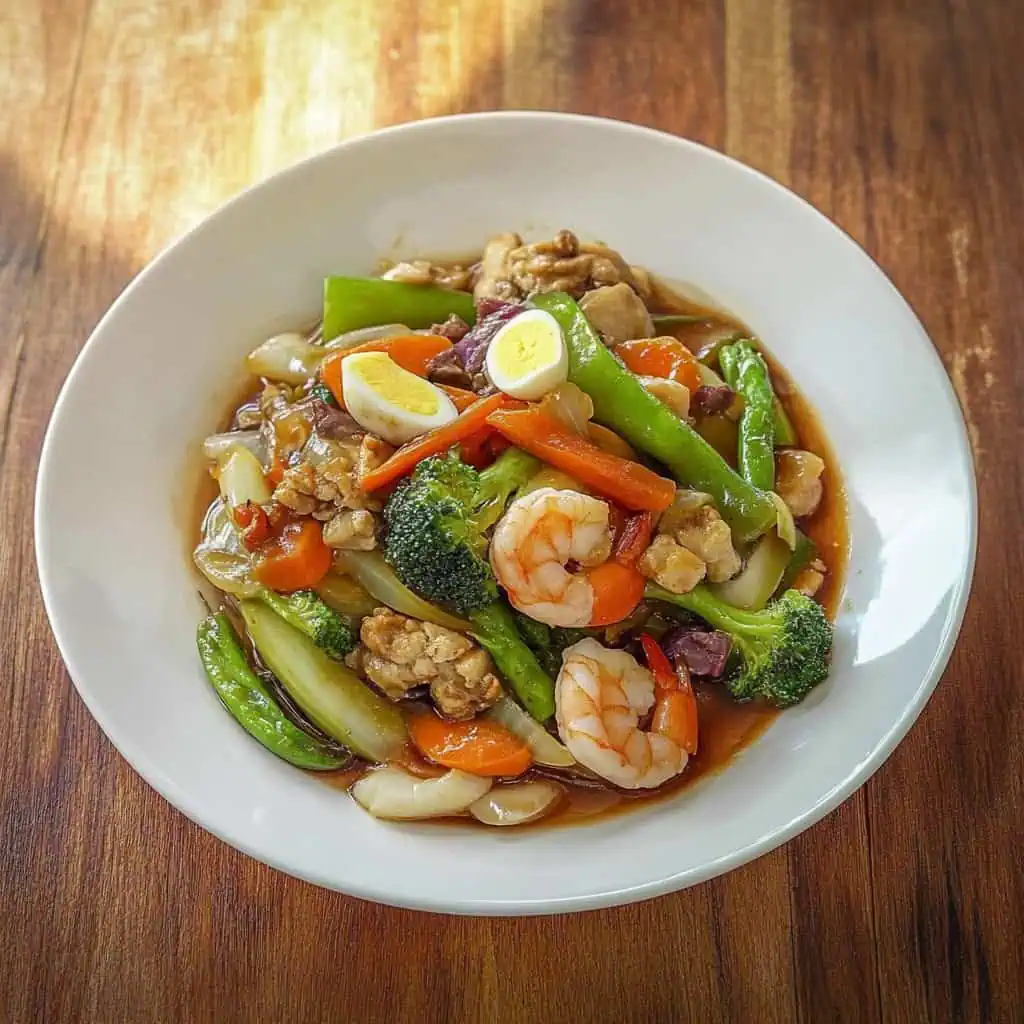
Ilokano Dinengdeng by pinterest.com Filipino Chop Suey by kusinasecrets.com
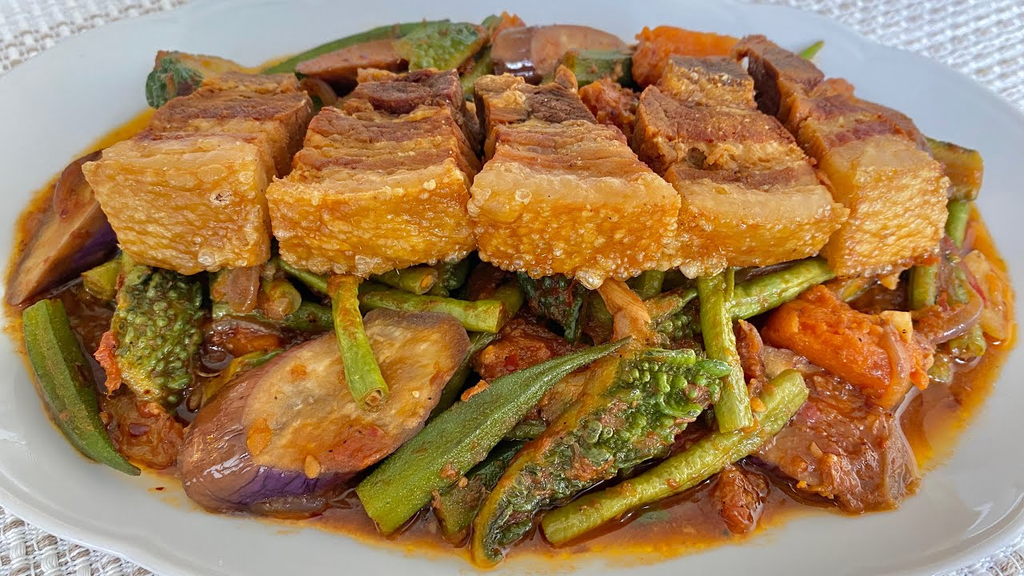
Pinakbet (Ilocos & Northern Luzon)
Pinakbet is one of the most recognizable Filipino vegetable dishes. Originating from Ilocos, it features bagoong isda, which gives it a distinct salty, umami flavor.
Key Ingredients
- Ampalaya
- Eggplant
- Okra
- Sitaw
- Kalabasa
- Tomatoes
- Bagoong isda
Flavor Profile
Savory, salty, earthy, slightly bitter.
Best Served With
Grilled fish, fried pork, or rice.
Dinengdeng (Ilocos)
Dinengdeng is similar to pinakbet but lighter, with more broth and often topped with fried or grilled fish.
Key Ingredients
- Leafy greens (saluyot, malunggay)
- Okra
- Sitaw
- Bagoong broth
Flavor Profile
Light, savory, herbal.
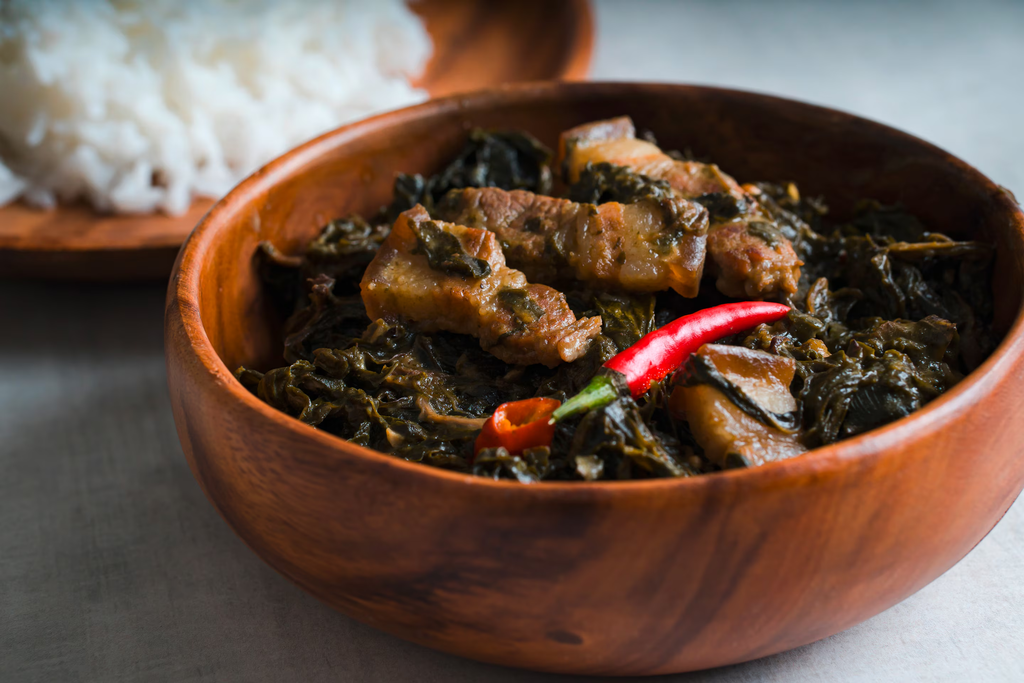
Laing (Bicol Region)
Laing is a spicy coconut-based dish made from dried taro leaves (gabi). It is one of the Philippines’ most beloved vegetable dishes.
Key Ingredients
- Dried taro leaves
- Coconut milk
- Chili
- Ginger
- Shrimp paste or dried fish
Flavor Profile
Creamy, spicy, smoky.
Ginataang Gulay (Nationwide)
A versatile dish where vegetables are simmered in coconut milk.
Common Variants
- Kalabasa at Sitaw
- Langka (jackfruit)
- Malunggay with tinapa
- Eggplant ginataan
Flavor Profile
Rich, creamy, mildly sweet.
Ginisang Gulay (Everyday Home Dish)
A simple sautéed vegetable dish found in nearly every Filipino household.
Typical Ingredients
- Garlic, onion, tomato
- Cabbage
- Carrots
- Sayote
- Pechay
Flavor Profile
Light, savory, comforting.
Ensaladang Talong (Grilled Eggplant Salad)
A refreshing vegetable side dish often paired with grilled meats.
Key Ingredients
- Grilled eggplant
- Tomatoes
- Onions
- Vinegar
- Salted egg (optional)
Flavor Profile
Smoky, tangy, fresh.
Chopsuey (Filipino-Chinese)
A stir-fried vegetable dish influenced by Chinese cuisine.
Key Ingredients
- Carrots
- Cabbage
- Cauliflower
- Broccoli
- Quail eggs
- Chicken or shrimp (optional)
Flavor Profile
Savory, slightly sweet, crunchy.
Adobong Kangkong (Water Spinach Adobo)
A vegetable twist on the classic adobo.
Key Ingredients
- Kangkong
- Soy sauce
- Vinegar
- Garlic
Flavor Profile
Tangy, savory, aromatic.
Bulanglang (Batangas)
A vegetable soup similar to dinengdeng but with a Batangas identity.
Key Ingredients
- Kalabasa
- Sitaw
- Kamote
- Tomatoes
- Fish broth
Flavor Profile
Light, sweet, savory.
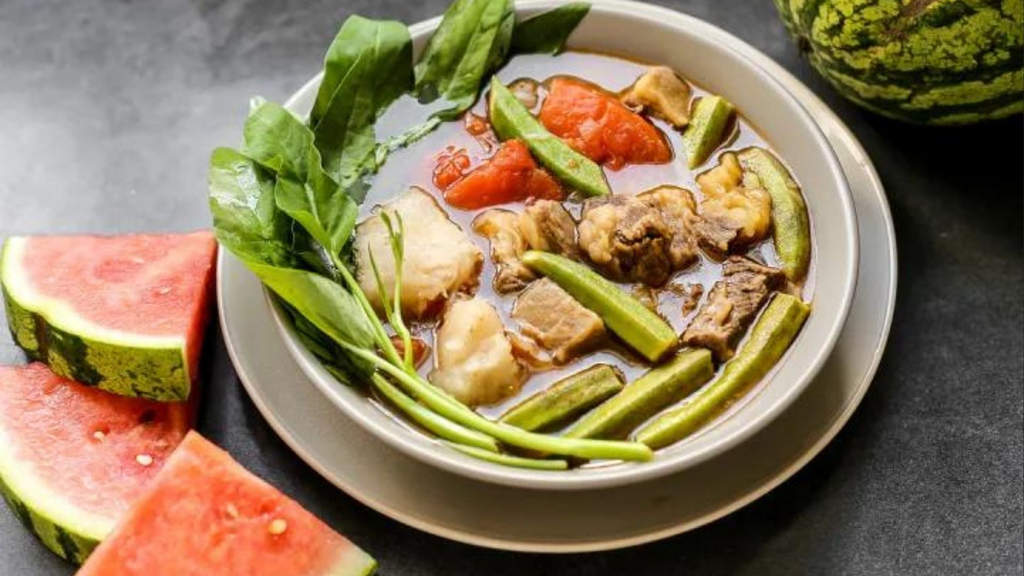
Utan Bisaya (Visayas)
A Visayan vegetable soup known for its simplicity and freshness.
Key Ingredients
- Malunggay
- Alugbati
- Kalabasa
- Okra
- Fish or shrimp
Flavor Profile
Fresh, herbal, mild.
Regional Vegetable Dish Highlights
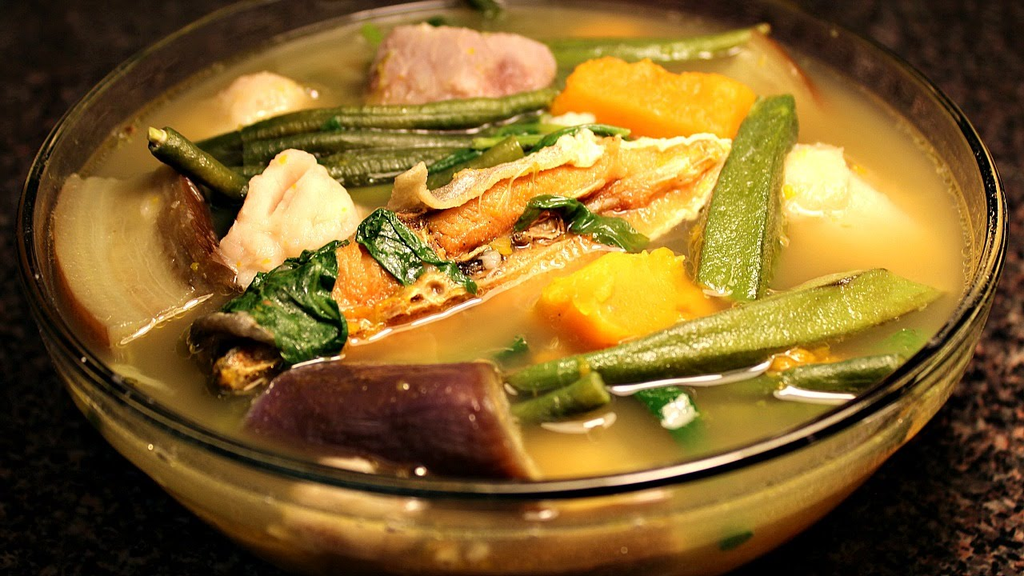
Utan Bisayas Recipe by youtube.com by flyingketchup.ph
Bicol Food by knorr.com by themindanaolife.com
Luzon
- Ilocos: Pinakbet, Dinengdeng
- Cordillera: Sayote-based dishes, root crops
- Bicol: Laing, Ginataang Langka
Visayas
- Utan Bisaya
- Ginataang Kalabasa
- Vegetable soups with seafood
Mindanao
- Coconut-rich vegetable dishes
- Spiced vegetable stews influenced by Tausug and Maranao cuisine
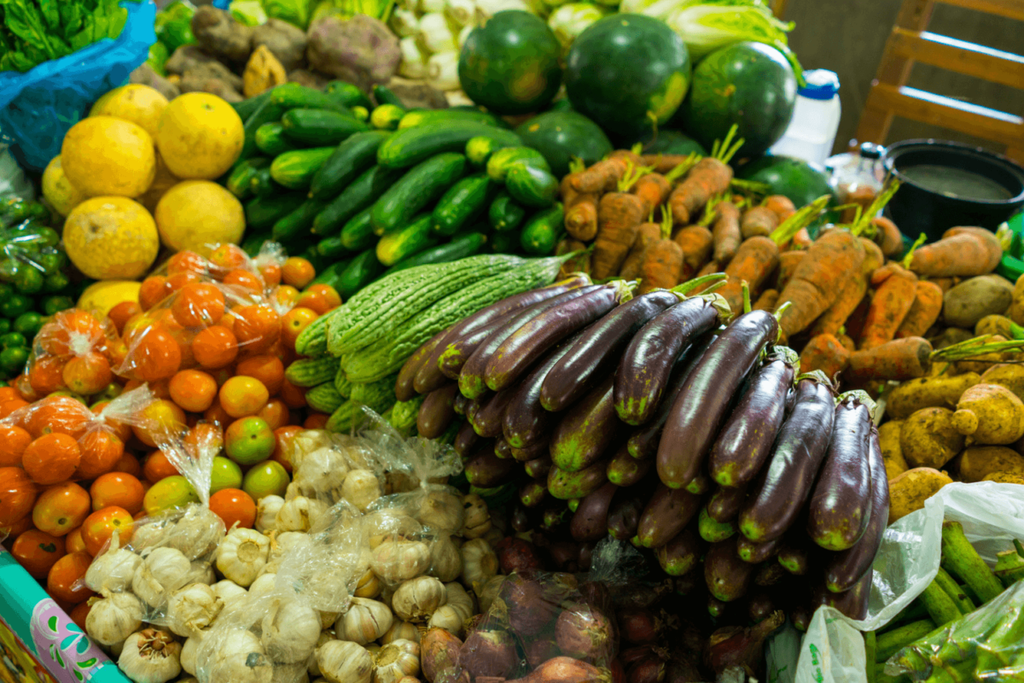
Ingredients Commonly Used in Filipino Vegetable Dishes
by mabuhaycanada.org
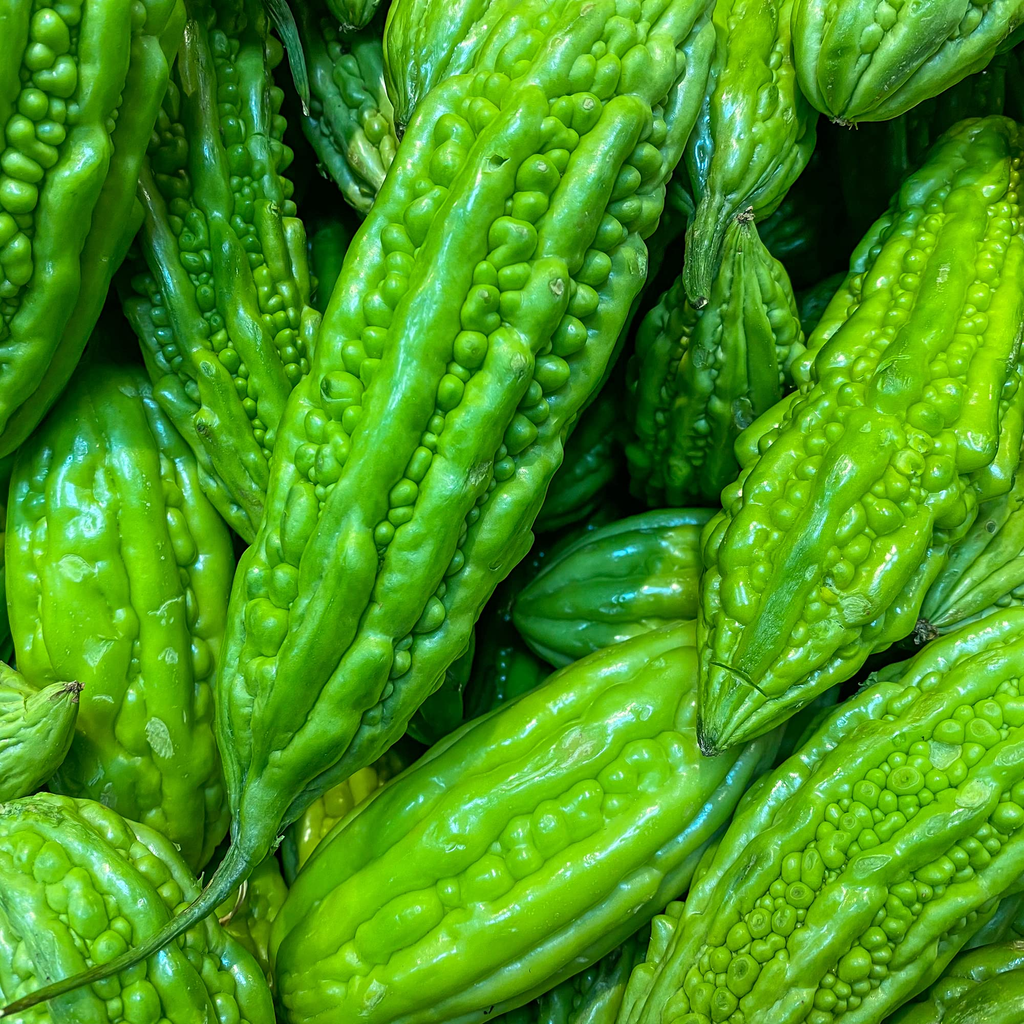
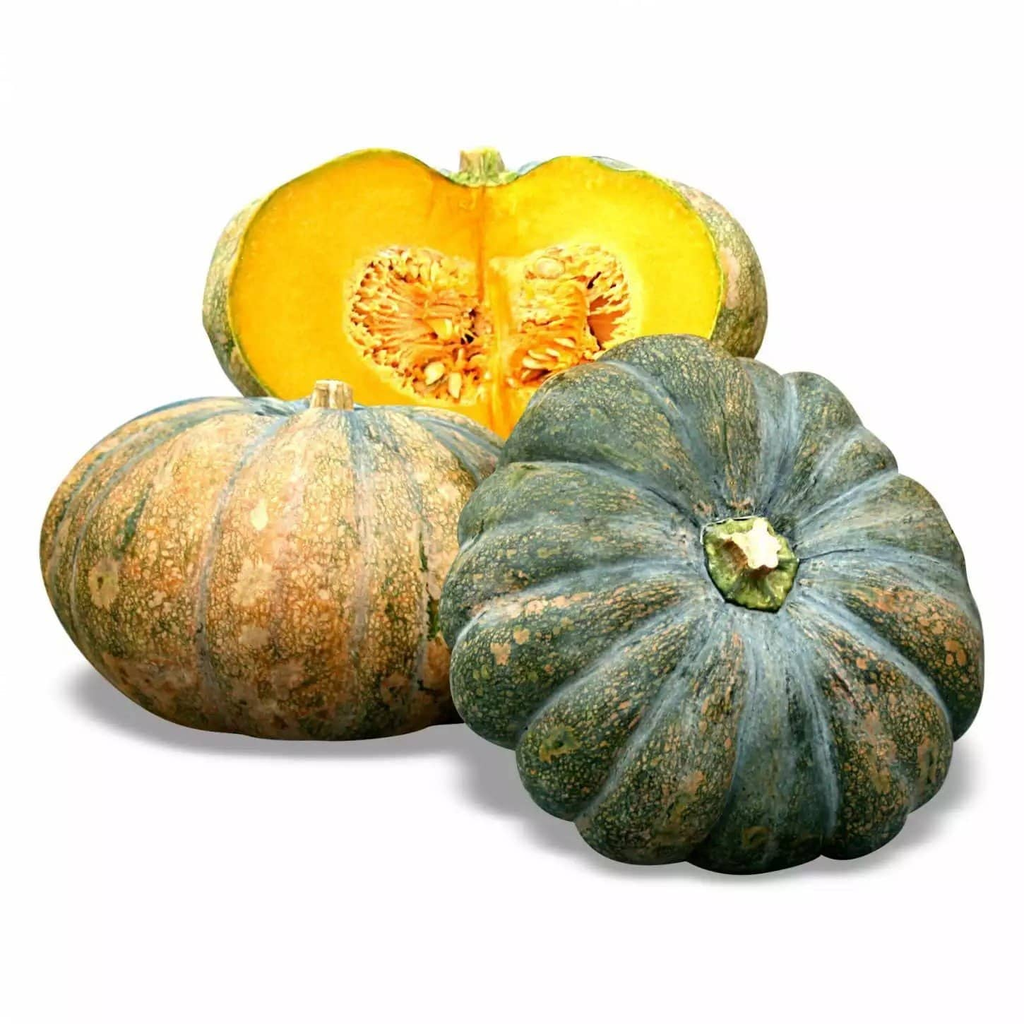
Ampalaya Plant (Bitter melon/Gourd) by ar.inspiredpencil.com Kalabasa by marketfresh.ph
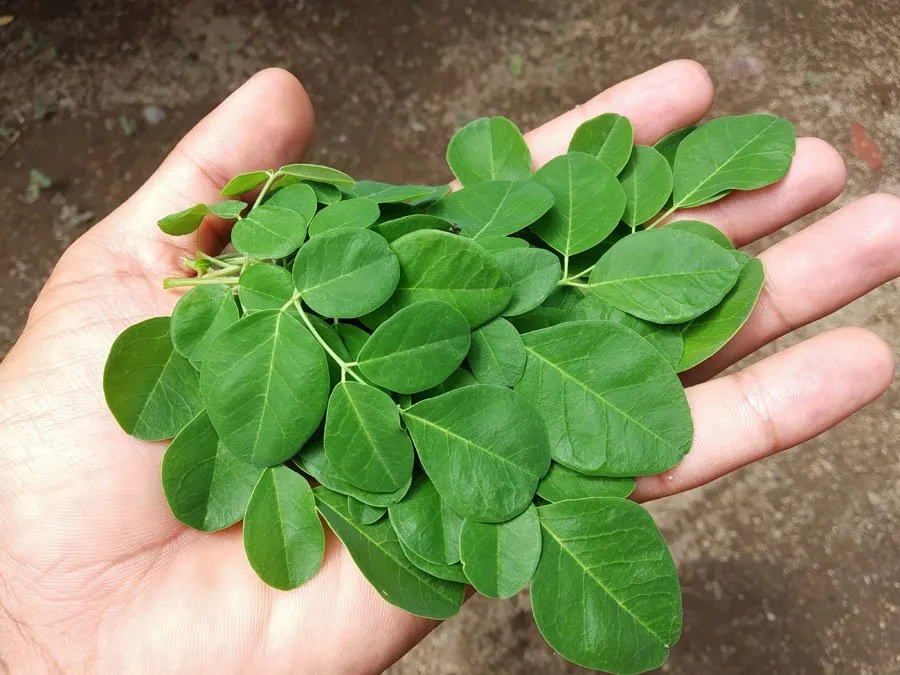
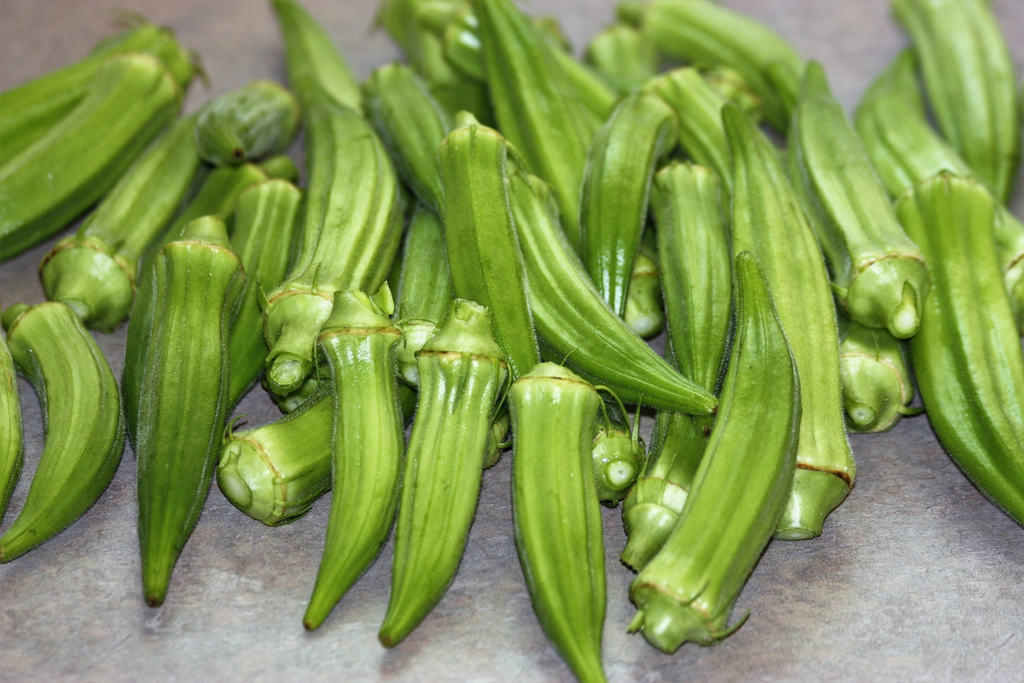
Malunggay by moringa-o2.com Okra by publicdomainpictures.net
Leafy Greens
- Malunggay
- Alugbati
- Kangkong
- Pechay
Fruit Vegetables
- Eggplant
- Ampalaya
- Okra
- Sitaw
Root Crops
- Kamote
- Gabi
- Ube
- Labanos
Aromatics
- Garlic
- Onion
- Ginger
- Lemongrass
Flavoring Agents
- Bagoong
- Patis
- Coconut milk
- Vinegar
Cooking Tips for Perfect Filipino Vegetable Dishes
Maintain Freshness
Use freshly harvested vegetables whenever possible.
Balance Flavors
Combine salty (bagoong), sour (vinegar), sweet (kalabasa), and bitter (ampalaya).
Don’t Overcook
Vegetables should remain vibrant and slightly crisp.
Use Coconut Milk Wisely
Simmer gently to avoid curdling.
Add Protein for Depth
Tinapa, shrimp, pork bits, or tofu enhance flavor.
Related Guides
- Filipino Pork Dishes Guide
- Filipino Chicken Dishes Guide
- Filipino Fish & Seafood Dishes Guide
- Vegetable Ingredients Guide
- Cooked Foods Main Hub
- Food Culture in the Philippines
Conclusion — Start Cooking Filipino Vegetable Dishes Today
Filipino vegetable dishes offer a rich blend of flavors, textures, and regional identities. Whether you prefer creamy coconut-based recipes, hearty stews, or simple sautéed gulay, these dishes showcase the Philippines’ agricultural abundance and culinary heritage. Explore more Filipino food guides, discover new recipes, and bring authentic gulay dishes to your kitchen.