Plan your trip or long‑term stay with this comprehensive Philippines Regional Weather Comparison Guide. Includes climate tables, rainfall patterns, typhoon exposure, seasonal tips, and regional travel recommendations.
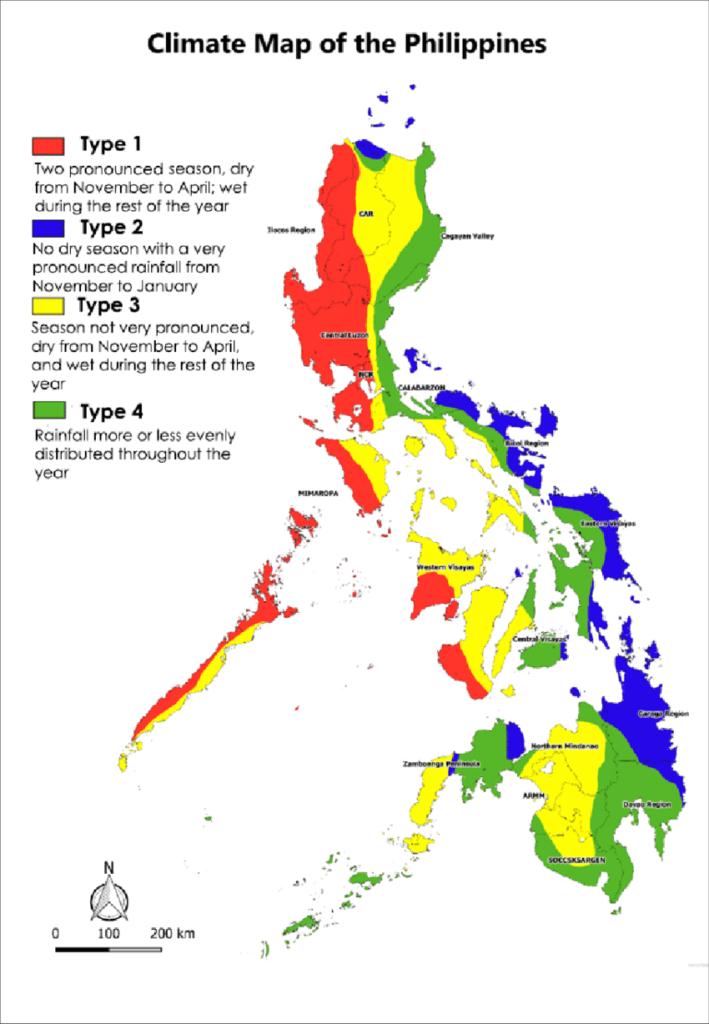
Climate of Philippines by crazytouristgirl12.blogspot.com
Philippines Regional Weather Comparison Guide for Visitors & Expats
Understanding the Philippines’ weather patterns is essential for planning travel, choosing where to live, and preparing for seasonal changes. This Regional Weather Comparison Table breaks down climate differences across Luzon, Visayas, and Mindanao—helping visitors, digital nomads, and new expats make informed decisions about destinations, itineraries, and long‑term stays.
The Philippines spans more than 7,641 islands, with microclimates shaped by mountains, monsoon winds, and coastal geography. While the country is broadly tropical, each region experiences unique rainfall patterns, temperature ranges, and typhoon exposure levels.
This guide provides:
- A regional weather comparison table
- Seasonal travel tips
- Rainfall and temperature insights
- Typhoon‑risk breakdown
- Best months to visit each region
- Climate considerations for expats choosing where to live
Regional Weather Comparison Table (Luzon, Visayas, Mindanao)
Below is a simplified, traveler‑friendly comparison of average climate conditions across major island groups.
| Region | Climate Type | Avg Temp (°C) | Rainfall Pattern | Typhoon Exposure | Best Travel Months |
|---|---|---|---|---|---|
| Luzon | Tropical monsoon | 24–33°C | Heavy Jun–Oct | High (Pacific-facing) | Nov–May |
| Visayas | Tropical maritime | 25–32°C | Evenly distributed | Moderate | Dec–May |
| Mindanao | Tropical rainforest | 24–32°C | Heavy Nov–Mar | Low | Feb–May |
Luzon Weather Overview (Regions I–V, NCR, CAR)
Luzon experiences the most dramatic weather shifts due to its size and exposure to the Pacific. It includes cool highlands, humid lowlands, and typhoon‑prone eastern coasts.
Key Climate Characteristics
- Temperature: 24–33°C
- Dry Season: November–May
- Wet Season: June–October
- Typhoon Frequency: Highest in the country
- Microclimates:
- Cordillera Highlands — cool, foggy, 12–22°C
- Manila & NCR — hot, humid, urban heat island
- Bicol Region — rainy year‑round
Best For
- Travelers seeking cooler mountain escapes
- Expats wanting access to major cities
- Surfers visiting Pacific‑facing beaches
Seasonal Tips
- Avoid long drives during peak monsoon months due to flooding.
- Book accommodations early during the dry season (peak tourism).
- Expect cooler temperatures in highland cities like Baguio and Sagada.
Visayas Weather Overview (Regions VI–VIII)
The Visayas enjoy relatively stable weather year‑round, making them ideal for beach travel and long‑term stays.
Key Climate Characteristics
- Temperature: 25–32°C
- Rainfall: Evenly distributed
- Typhoon Exposure: Moderate
- Microclimates:
- Cebu — balanced seasons, mild rainfall
- Boracay — sunny most of the year
- Leyte & Samar — wetter due to Pacific winds
Best For
- Beach vacations
- Diving and island hopping
- Expats seeking balanced climate and good infrastructure
Seasonal Tips
- December–May offers the best visibility for diving.
- Expect occasional tropical storms from July–October.
- Humidity is consistent year‑round—light clothing recommended.
Mindanao Weather Overview (Regions IX–XIII)
Mindanao has the most stable climate in the Philippines, with fewer typhoons and lush rainforest conditions.
Key Climate Characteristics
- Temperature: 24–32°C
- Rainfall: Heavy November–March
- Typhoon Exposure: Low
- Microclimates:
- Davao Region — mild, consistent weather
- Siargao — surf season Sept–Nov
- Zamboanga Peninsula — warm, drier pockets
Best For
- Expats seeking stable weather
- Nature travelers exploring waterfalls and rainforests
- Surfers visiting Siargao
Seasonal Tips
- Expect heavier rains in northern Mindanao during early months.
- Typhoon season rarely affects southern areas.
- Best months for outdoor travel: February–May.
Seasonal Weather Breakdown (Nationwide)
Amihan (Northeast Monsoon) — November to April
- Cool, dry winds
- Best travel season
- Ideal for beach trips, festivals, and long drives
Habagat (Southwest Monsoon) — May to October
- Hot, humid, rainy
- Typhoon season
- Expect flight delays and occasional flooding
Typhoon Exposure by Region
| Region | Typhoon Risk | Notes |
|---|---|---|
| Eastern Luzon | Very High | Faces Pacific Ocean directly |
| Northern Luzon | High | Mountain ranges reduce inland impact |
| Visayas | Moderate | Storms weaken as they pass through |
| Mindanao | Low | Rarely hit by major typhoons |
Best Months to Visit Each Region
| Region | Best Months | Why |
|---|---|---|
| Luzon | Nov–May | Dry season, cooler highlands |
| Visayas | Dec–May | Ideal beach weather |
| Mindanao | Feb–May | Least rainfall, stable climate |
Weather Considerations for Expats Choosing Where to Live
Luzon
- Best for those who prefer cooler climates (highlands).
- Urban expats must prepare for heat and humidity in NCR.
- Typhoon‑preparedness is essential.
Visayas
- Balanced climate ideal for retirees and digital nomads.
- Good infrastructure in Cebu and Iloilo.
- Moderate typhoon exposure.
Mindanao
- Most stable weather for long‑term living.
- Davao City offers mild climate and low disaster risk.
- Rainforest regions may be humid year‑round.
Plan Your Trip or Long‑Term Stay with Confidence
Weather shapes everything—from daily routines to travel itineraries. Use this Regional Weather Comparison Guide to choose the best destinations, plan seasonal travel, and prepare for climate conditions across the Philippine