Explore Philippine markets and local produce: wet markets, seasonal fruits, vegetables, seafood, pricing, regional specialties, and traveler tips. A complete guide for food lovers and cultural explorers.
Markets & Local Produce in the Philippines – Complete Traveler’s Guide
The Philippines is home to one of the most vibrant market cultures in Southeast Asia. From bustling wet markets in Manila to coastal seafood hubs in Visayas and Mindanao, markets are the heart of daily life. They are where Filipinos buy fresh produce, negotiate prices, share stories, and preserve centuries‑old food traditions. For travelers, visiting a local market is one of the most authentic ways to experience Filipino culture.
This guide explores the country’s markets, seasonal produce, regional specialties, pricing, and practical tips to help you navigate and enjoy the Philippines’ rich food landscape.
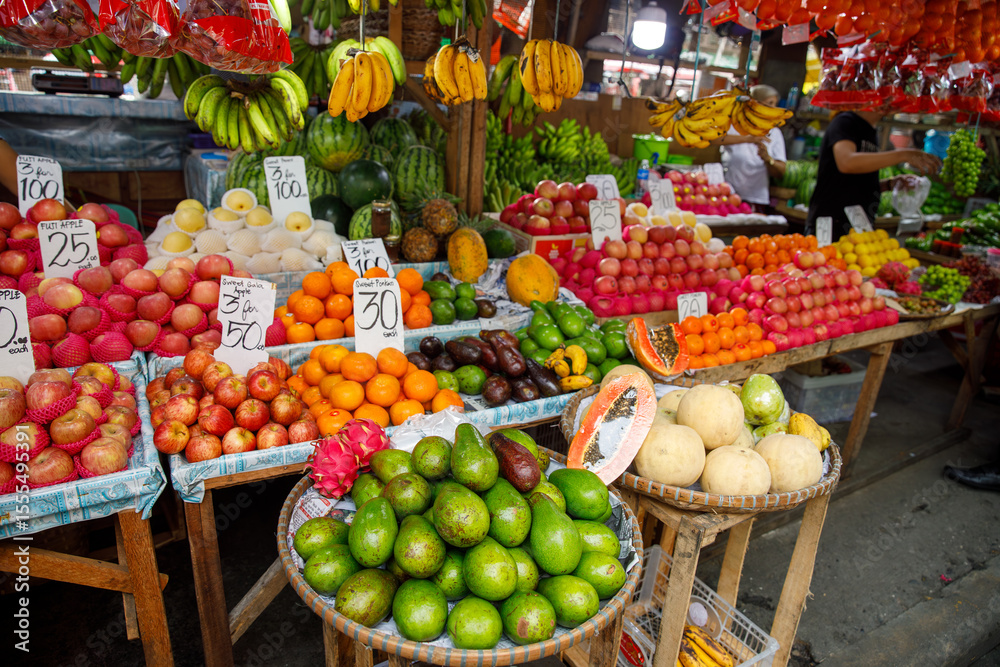
by stock.adobe.com
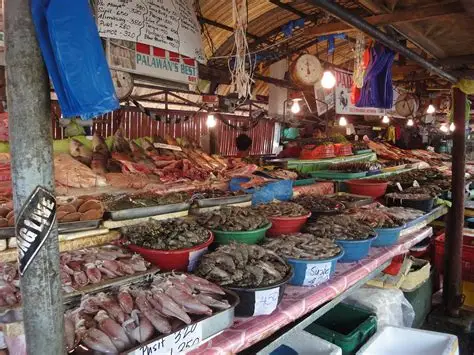
by storage.googleapis.com
Understanding Philippine Markets
Markets in the Philippines are more than places to buy food—they are cultural centers. Every town, city, and barangay has its own market, each with unique offerings shaped by geography, climate, and local traditions.
Types of Markets in the Philippines
- Public Wet Markets (Palengke) These are the most common markets nationwide. They sell fresh fish, meat, vegetables, fruits, spices, and household goods. Wet markets are lively, noisy, and full of character.
- Dry Markets Located beside or inside wet markets, dry markets sell rice, grains, dried fish, clothing, and non‑perishable goods.
- Farmers’ Markets These markets feature produce directly from farmers—often fresher and cheaper. They are common in agricultural provinces like Benguet, Bukidnon, and Nueva Ecija.
- Night Markets Popular in cities like Davao, Cebu, and Manila, night markets combine produce stalls with street food vendors and bargain shopping.
- Seafood Markets Found in coastal towns, these markets offer freshly caught fish, shellfish, and crustaceans. Prices vary depending on the season and catch volume.
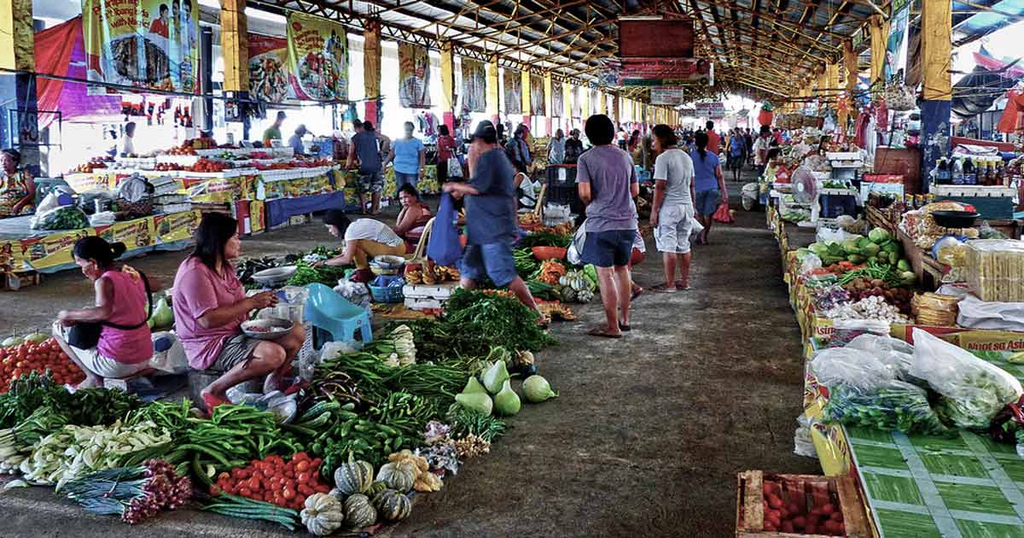
by pinterest.com
Why Markets Matter to Travelers
Markets offer travelers:
- Authentic cultural immersion
- Access to fresh, local ingredients
- Budget‑friendly food options
- Insight into regional food traditions
- Opportunities for photography and exploration
Local Produce – Fruits, Vegetables & Native Crops
The Philippines’ tropical climate produces an incredible variety of fruits, vegetables, and native crops. Many of these are seasonal, and knowing when they are available helps travelers enjoy the freshest flavors.
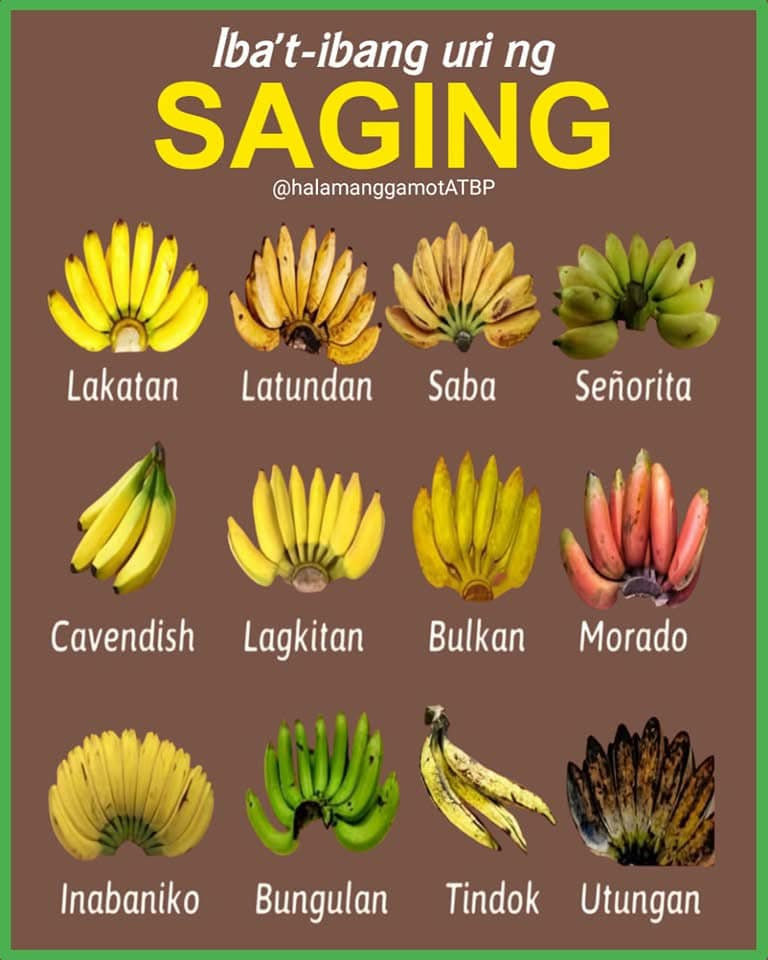
by joe.ph
by picture.urlaubshof-thiel.de by philrootcrops.vsu.edu.ph
Popular Fruits Found in Markets
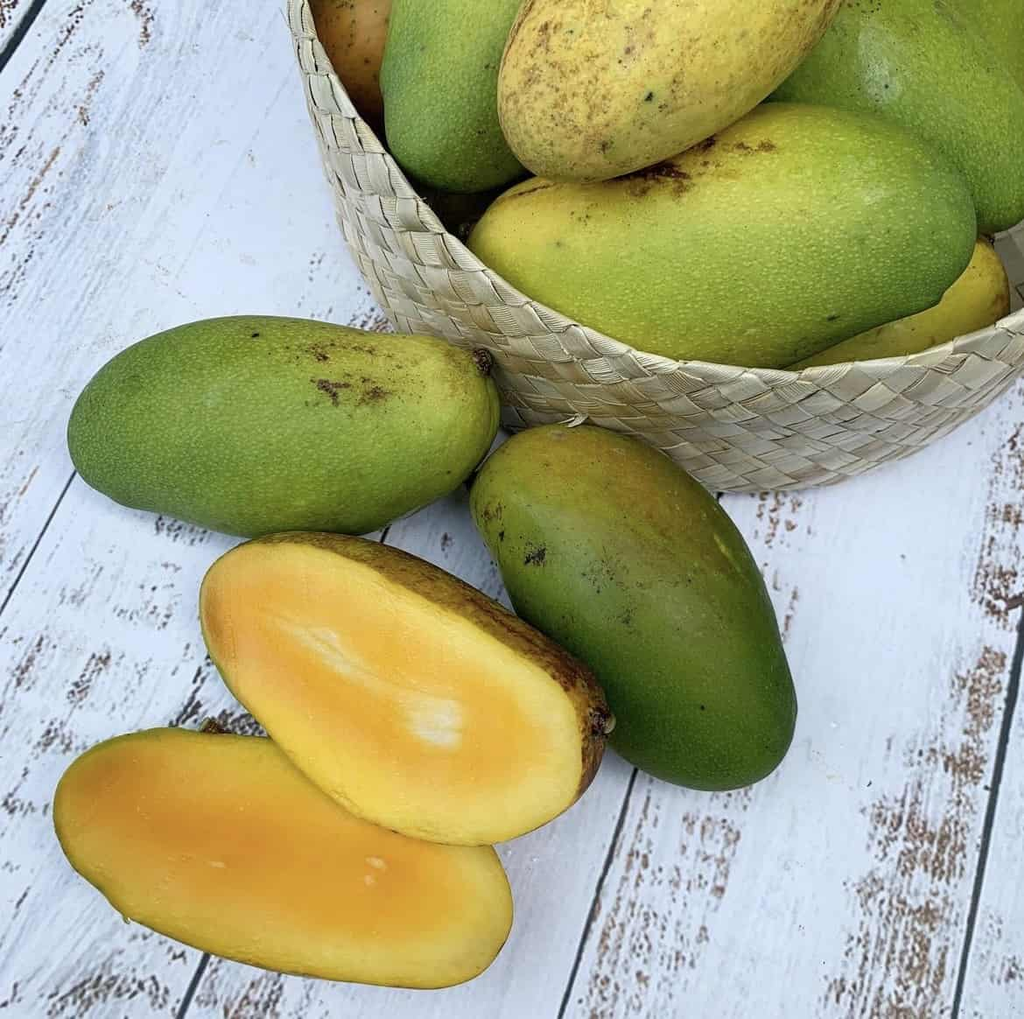
- Mango (Mangga) – Sweet, juicy, and available year‑round.
- Banana (Saging) – Lakatan, Latundan, and Saba varieties.
- Pineapple (Pinya) – Grown in Bukidnon and South Cotabato.
- Papaya (Papaya) – Common in breakfast tables and salads.
- Lanzones – Seasonal fruit from Camiguin and Laguna.
- Rambutan & Mangosteen – Abundant during rainy months.
- Coconut (Niyog) – Used for cooking, desserts, and drinks.
Common Vegetables in Philippine Markets
- Eggplant (Talong)
- Bitter Melon (Ampalaya)
- Okra
- String Beans (Sitaw)
- Squash (Kalabasa)
- Tomatoes (Kamatis)
- Leafy Greens (Pechay, Kangkong)
Native Crops & Regional Specialties
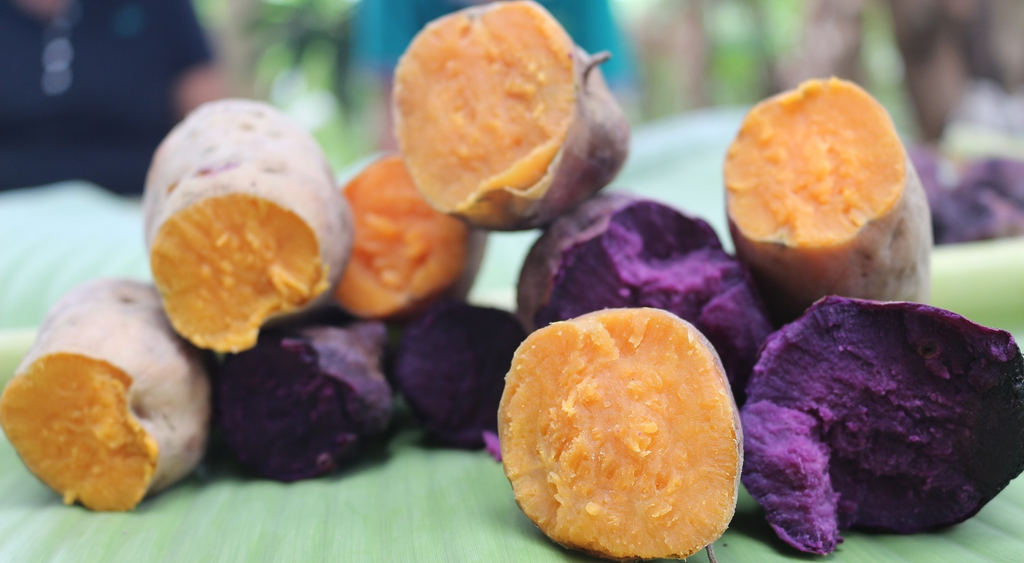
- Cordillera Root Crops – Sweet potatoes, taro, yams
- Mindanao Corn Varieties – White and yellow corn
- Ilocos Garlic – Known for its strong aroma
- Bicol Chili (Siling Labuyo) – Essential for spicy dishes
- Visayas Sugarcane – Used for muscovado and rum production
Seafood, Meat & Market Staples
by storage.googleapis.com
by storage.googleapis.com
Fresh Seafood
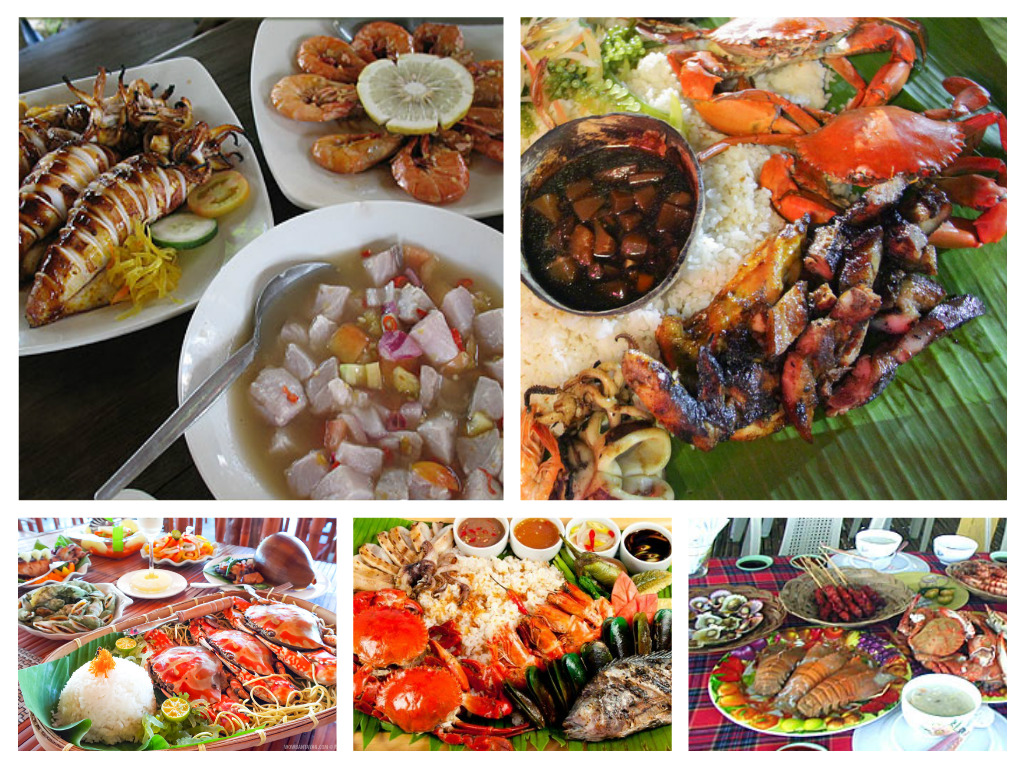
Coastal markets offer:
- Tuna (General Santos)
- Bangus (Dagupan)
- Shrimp & Prawns
- Crabs (Surigao, Iloilo)
- Shellfish (Cebu, Palawan)
Seafood prices vary by season, weather, and catch volume.
Meat & Poultry
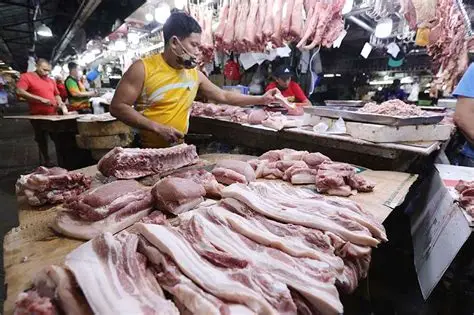
Most markets sell:
- Pork (Baboy)
- Chicken (Manok)
- Beef (Baka)
- Native chicken (Manok na Bisaya)
Market Staples
- Rice (varieties from Luzon, Visayas, Mindanao)
- Dried fish (Tuyo, Danggit)
- Spices (ginger, garlic, onions)
- Sauces (soy sauce, vinegar, fish sauce)
Market Prices – What Travelers Should Expect
Prices vary by region, season, and market type. Here’s a general guide:
Fruit Prices (Approximate)
- Mango: ₱80–₱150 per kilo
- Banana: ₱40–₱70 per kilo
- Pineapple: ₱50–₱120 each
- Coconut: ₱25–₱40 each
Vegetable Prices
- Eggplant: ₱60–₱100 per kilo
- Tomatoes: ₱50–₱90 per kilo
- Squash: ₱40–₱70 per kilo
- Leafy greens: ₱20–₱40 per bundle
Seafood Prices
- Bangus: ₱120–₱180 per kilo
- Shrimp: ₱250–₱450 per kilo
- Crabs: ₱300–₱600 per kilo
Regional Market Highlights
Luzon
- Baguio City Market – Best for vegetables and strawberries
- Divisoria Market – Budget shopping and bulk produce
- Dagupan Fish Market – Famous for bangus
Visayas
- Carbon Market (Cebu) – One of the largest markets in the country
- Iloilo Wet Market – Fresh seafood and native delicacies
- Bacolod Markets – Sugarcane, fruits, and Negrense specialties
Mindanao
- Davao Agdao Market – Durian, mangosteen, pomelo
- General Santos Fish Port – Tuna capital of the Philippines
- Cagayan de Oro Markets – Corn, root crops, and local produce
Tips for Visiting Philippine Markets
Best Time to Visit
Early morning (5 AM–8 AM) offers:
- Freshest produce
- Lowest prices
- Cooler temperatures
Safety & Hygiene Tips
- Wear comfortable shoes
- Bring small bills for easier transactions
- Wash fruits before eating
- Avoid touching raw meat or fish
- Keep valuables secure
Cultural Etiquette
- Smile and greet vendors
- Ask politely before taking photos
- Bargaining is acceptable but should be respectful
Related Guides
- Cooked Foods
- Rice Guide
- Fruits & Vegetables
- Local Dining
- Desserts
- Regional Specialties
- Street Food
- Food Culture
Plan Your Market Adventure in the Philippines
Exploring Philippine markets is one of the most rewarding cultural experiences for travelers. Whether you’re tasting fresh fruits, discovering regional specialties, or simply enjoying the lively atmosphere, markets offer a window into Filipino life that no restaurant or tourist attraction can match.
If you’re ready to explore more food traditions, discover local dining spots, or learn about regional specialties, continue your journey through our Food Silo and uncover the flavors that make the Philippines truly unique.