Camiguin de Babuyanes Island, part of Calayan Town, Cagayan province
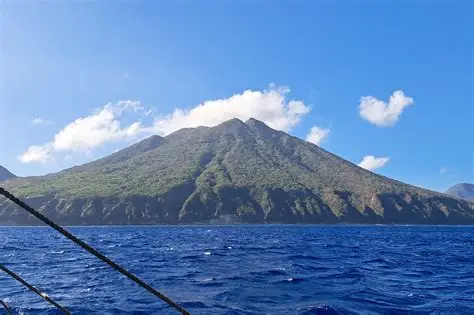
Camiguin de Babuyanes Mountain by Mountain-Forcast.com
Camiguin de Babuyanes (Camiguin Norte) is one of the most remote and intriguing islands in the Babuyan archipelago of Cagayan Province. Known for its dramatic volcanic landscapes, quiet coastal communities, and raw, untouched beauty, the island offers a rare glimpse of life in one of the northernmost frontiers of the Philippines.
Below is a helpful overview of its key barangays and notable spots — perfect if you’re planning a visit or simply want to learn more about this hidden northern gem.
Camiguin de Babuyanes — not to be confused with Camiguin Island in Mindanao — is part of the Babuyan Group of Islands north of Luzon. It is volcanic in origin, with Mount Camiguin dominating the landscape. The island is sparsely populated, with communities relying on fishing, farming, and small-scale tourism.
Demographic Overview
- Island Group: Luzon Island Group
- Region:
- Cagayan Valley (Region II)
- Province:
- Cagayan
- Municipality:
- Calayan
- Part of the Babuyan archipelago
- Island’s population 2020 census: 5,231 residents
- Island Barangays: 3
- Land area: 179.05 sq. kilometers (69.13 sq. miles)
- Sea borders: The island lies within the South China Sea.
Island Barangays
- Balatubat
- 2020 population: 1,787 residents
- The primary jump-off points for visitors, home to the island’s port and a friendly coastal community.
- Naguilian
- 2020 population: 1,617 residents
- Known for its rice terraces, rolling hills, and tranquil beaches.
- Minabel
- 2020 population: 1,827 residents
- A smaller community surrounded by farmland and forested areas.
by Rolly Magpayo
Top Tourism Spots & Natural Attractions
1. Mount Camiguin (Camiguin Volcano)
The island’s most iconic landmark — an active stratovolcano rising sharply from the sea. Adventurous hikers can explore its slopes, though climbs should always be coordinated with local authorities for safety.
2. Balatubat Coastline
A scenic shoreline with calm waters, fishing boats, and views of the surrounding Babuyan Channel. Sunsets here are particularly stunning.
3. Naguilian Beach
A quiet, palm-fringed beach with clear waters and views of nearby islets. Perfect for swimming, picnics, and photography.
4. Rice Terraces of Naguilian
A surprising sight on a remote island — terraced fields carved into the hills, showcasing the community’s agricultural heritage.
5. Waterfalls & Forest Trails
The island has several small waterfalls and forested hiking paths, especially near the foothills of Mount Camiguin. These spots are less documented but cherished by locals.
by Marie Javier
Where Camiguin de Babuyanes Is
Camiguin de Babuyanes (also called Camiguin Norte) is part of the Babuyan Islands, north of Luzon, under the municipality of Calayan, Cagayan. It is remote, volcanic, and sparsely populated.
Step 1: Travel to Cagayan Province (Northern Luzon)
Your gateway is Gonzaga or Claveria, Cagayan.
From Manila:
- Take a GV Florida or similar bus line to Gonzaga, Cagayan. Travel time: ~12–14 hours.
Alternative route:
- Fly to Tuguegarao Airport (TUG), then take a van/bus to Gonzaga (3–4 hours).
Step 2: Boat to Camiguin de Babuyanes
This is the challenging part.
There are no commercial ferries. Travel is via lampitaw (local cargo boat) or chartered boats used by locals.
Typical route:
- Gonzaga → Camiguin de Babuyanes Travel time: 6–7 hours across open sea. Seas can be rough. This matches accounts describing Babuyan Islands travel as long, remote, and weather dependent.
Important notes:
- Boats do not run daily. You must coordinate with:
- Local boatmen
- The municipal office of Calayan
- Local tourism contacts (if available)
- Travel is often seasonal. Best months: March–May (calmer seas).
Nearest Airport (but not directly connected)
The nearest major airport is Manila (MNL), but there is no direct transport from any airport to the island. You must still take the bus + boat combination.
Summary
To reach Camiguin de Babuyanes:
- Manila → Gonzaga, Cagayan (Bus 12–14 hrs or fly to Tuguegarao then bus/van)
- Gonzaga → Camiguin de Babuyanes by boat (6–7 hrs, no fixed schedule, weather-dependent)
This is one of the most remote island journeys in the Philippines, but also one of the most rewarding if you’re prepared for the adventure.
by Juan Portrait