Bongo Island, part of the Maguindanao del Norte province

Simuay-Parang-Landasan Road by Marwan Khan
Bongo Island (Bonggo Island) in Parang, Maguindanao del Norte is a small but culturally rich island known for its quiet coastal communities, fishing heritage, and emerging eco‑tourism spots. While still largely undeveloped compared to major Philippine destinations, it offers a raw, authentic island experience shaped by Tausug and Maguindanaon traditions, mangrove-lined shores, and views of the Moro Gulf.
Below is a full informational blog-style overview you can use for travel content, tourism promotion, or educational material.
Bongo Island: A Hidden Gem of Maguindanao del Norte
Location & Character
Bongo Island sits off the coast of Parang, one of Maguindanao del Norte’s most important municipalities. The island is small, peaceful, and primarily inhabited by fishing families. Its coastline features stretches of white and cream-colored sand, shallow turquoise waters, and mangrove clusters that protect marine life.
Because it remains off the typical tourist radar, Bongo Island is ideal for travelers seeking quiet beaches, local culture, and unspoiled nature.
Demographic Overview
- Island Group: Mindanao Island Group
- Region:
- BARRM (Region XV)
- Province:
- Maguindanao del Norte
- Town(s):
- Parang
- Island Barangays: 5
- Bongo Island (Litayen)
- Cotongan
- Limbayan
- Tagudtongan
- Tuca-Maror
- Island’s population 2020 census: 12,846 residents
- Land area: 21.51 sq. kilometers (8.31 sq. miles)
- Sea borders: Include the Celebes Sea and Illana Bay.
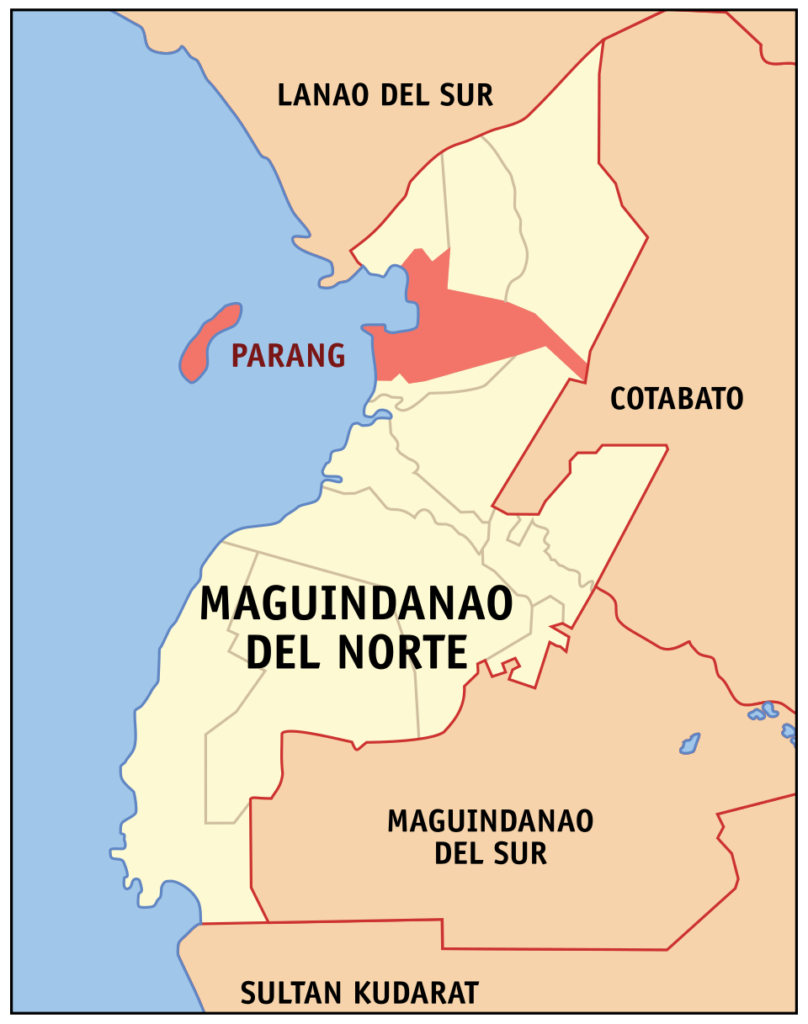
Map of Maguindanao del Norte with Parang highlighted by Baselle (Bongo Island off coast)
The Municipality of Parang
- 2020 Population: 102,914 residents
- Barangays: 25
- Mainland: 20
- Bongo Island: 5
Parang serves as the gateway to Bongo Island. It is a coastal town known for its port, agricultural trade, and growing tourism sector. The town provides the main access points for boat trips to Bongo Island and nearby attractions.
Key characteristics of Parang:
- Cultural diversity — Tausug, Maguindanaon, and Iranun communities shape the town’s traditions and cuisine.
- Strategic location — Parang is one of the major municipalities in Maguindanao del Norte, with active commercial areas and transport links.
- Emerging tourism — Beaches, farms, and eco‑spots are gaining attention among local travelers.
by Johayna Carudin
Tourism Spots in and Around Bongo Island
1. Baan Beach (Ambo, Parang)
A highly rated beach near Parang known for its clear waters and quiet shoreline. It’s a popular stop for locals and offers a relaxing environment for swimming and picnics.
2. Bongo Island Beaches
While not yet formally developed, the island’s natural beaches are its main attraction. Expect:
- Soft sand and shallow waters perfect for family swimming
- Views of fishing boats and coastal villages
- Peaceful, crowd-free shores ideal for photography and relaxation
3. Mangrove Areas
Parts of Bongo Island are lined with mangrove forests that support fish nurseries and protect the coastline. These areas are great for nature walks and environmental appreciation.
4. BASAG Burodan Farm (Parang)
A small but charming farm attraction offering greenery, fresh air, and rural scenery. It’s a nice inland complement to the coastal destinations.
5. Moro Gulf Coastal Views
Boat rides around Bongo Island and Parang’s coast offer scenic views of the Moro Gulf, especially during sunrise and sunset.
by Aaliyah Dumato
How to Get There
Travelers typically reach Parang by land from Cotabato City or nearby municipalities. From Parang’s coastal barangays, small boats ferry locals to Bongo Island. Since tourism infrastructure is still developing, trips are usually arranged through local boatmen.
Local Culture & Food
Visitors can enjoy simple but flavorful Maguindanaon and Tausug dishes such as:
- Pastil
- Satti
- Fresh seafood caught around Bongo Island
- Coconut-based dishes common in coastal communities
Why Visit Bongo Island?
If you love quiet beaches, authentic local culture, and destinations untouched by mass tourism, Bongo Island offers a refreshing escape. It’s perfect for:
- Eco‑travelers
- Photographers
- Cultural explorers
- Weekend adventurers from nearby towns
by Faw Lidasan