Pata Island, part of the Sulu province
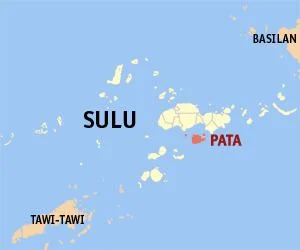
by alchetron.com
Pata, Sulu: A Quiet Island Municipality in the Sulu Archipelago
Pata is one of the lesser-known island municipalities of Sulu Province, located in the southern Philippines. While it doesn’t yet have the commercial tourism footprint of nearby islands, its untouched landscapes, tight-knit communities, and proximity to Sulu’s natural attractions make it an intriguing destination for adventurous travelers, researchers, and cultural explorers.
Demographic Overview
- Island Group: Mindanao Island Group
- Region:
- BARRM (Region XV)
- Province:
- Sulu
- Town(s):
- Pata
- Island Barangays: 10
- Island’s population 2020 census: 20,700 residents
- Land area: 52.95 sq. kilometers (20.44 sq. miles)
- Sea borders: The island lies within the Celebes Sea.
by Narsheda Madjid
Overview of Pata Town
Pata is a 4th-class municipality composed of 14 barangays, the island is predominantly rural, with fishing and seaweed farming as the main livelihoods.
Key Facts About Pata Town, Sulu
- Region: Bangsamoro Autonomous Region in Muslim Mindanao (BARMM)
- Municipality Class: 4th class
- 2020 Population: 24,736 residents
- Barangays: 14
- Dongdong Island: 1
- Kamawi Island: 1
- Pata Island: 10
- Patian Island: 1
- Primary Languages: Tausug, Filipino
- Economy: Fishing, seaweed farming, small-scale agriculture
- Vibe: Quiet, remote, community-centered, culturally traditional
Each of its barangay are coastal or near-coastal, with communities relying heavily on the sea for food and livelihood. Expect traditional stilt houses, narrow footpaths, and a lifestyle deeply connected to the tides.
by Joseph Ceriales
Tourism on Pata Island: What to Expect
Pata itself is not yet a developed tourist destination, which is part of its charm. Travelers who make the journey typically come for:
Untouched Beaches
Pata has several unnamed or locally known beaches with:
- Powdery white sand
- Clear turquoise waters
- Coral-rich shallows ideal for snorkeling
- Zero commercial development
These beaches are perfect for travelers seeking raw, unfiltered island scenery.
Local Cultural Immersion
Visitors can experience:
- Tausug traditions
- Local weaving
- Fishing culture
- Community gatherings and food traditions
by Nurfadzra Romano
Seaweed Farms
The island is dotted with seaweed cultivation areas — a fascinating look at one of Sulu’s major industries.
Nearby Tourism Spots in Sulu
Because Pata is close to the main island of Jolo and other municipalities, many travelers pair their visit with Sulu’s more established natural attractions. These are real, mapped destinations from the region:
Quezon Beach (Patikul, Sulu)
A quiet beach with clear waters and soft sand.
Tanduh Beach (Parang, Sulu)
Highly rated for its clean shoreline and calm waves.
Imbitheya Beach (Patikul)
A scenic beach with rock formations and shallow swimming areas.
Tandang Mairan Rock Formation (Omar, Sulu)
A dramatic natural rock structure popular for photography.
Tambuang Falls Rising (Maimbung)
A refreshing waterfall spot surrounded by lush greenery.
These destinations are accessible from Jolo Island, which is typically the transit point before heading to Pata.
How to Get to Pata Island
Travel to Pata usually involves:
- Flying to Zamboanga City
- Taking a ferry to Jolo, Sulu
- Hiring a local boat to Pata
Because the island is remote, travel arrangements are often made through local contacts or municipal offices.
by Narsheda Madjid
Safety & Travel Considerations
Sulu is a region with unique cultural and security dynamics. Travelers should:
- Coordinate with local authorities
- Travel with local guides
- Stay updated on regional advisories
- Respect local customs and dress modestly
Final Thoughts
Pata, Sulu is not your typical tourist island — and that’s exactly what makes it special. It offers a glimpse into the authentic, uncommercialized life of the Tausug people and the natural beauty of the Sulu Archipelago. For travelers seeking raw landscapes, cultural immersion, and off-the-grid adventure, Pata is a rare and rewarding destination.