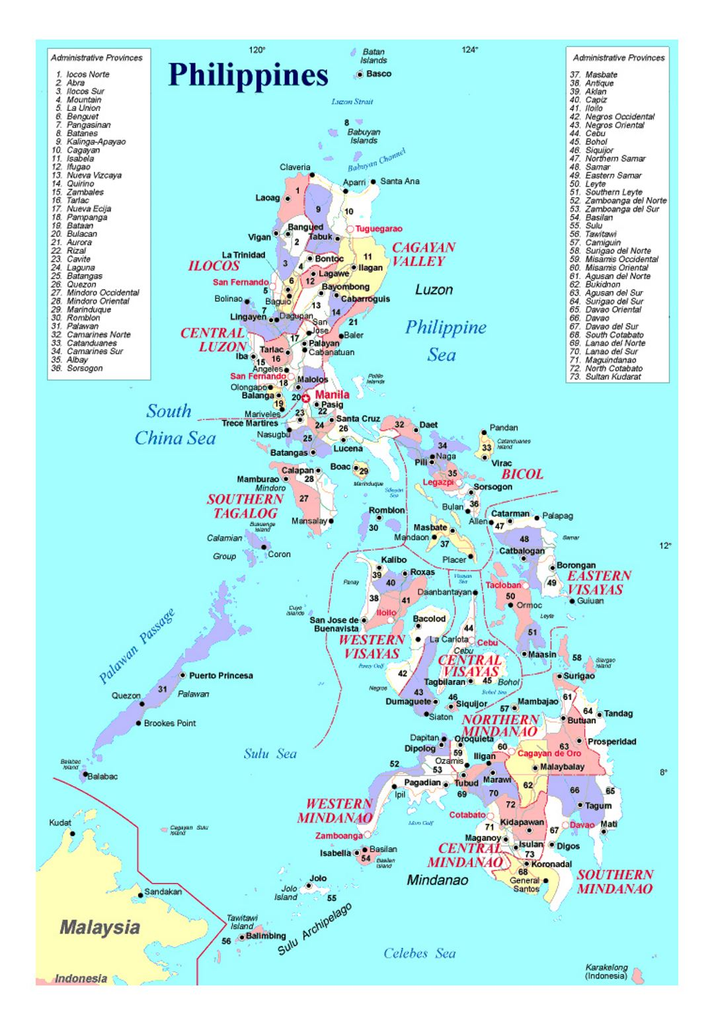
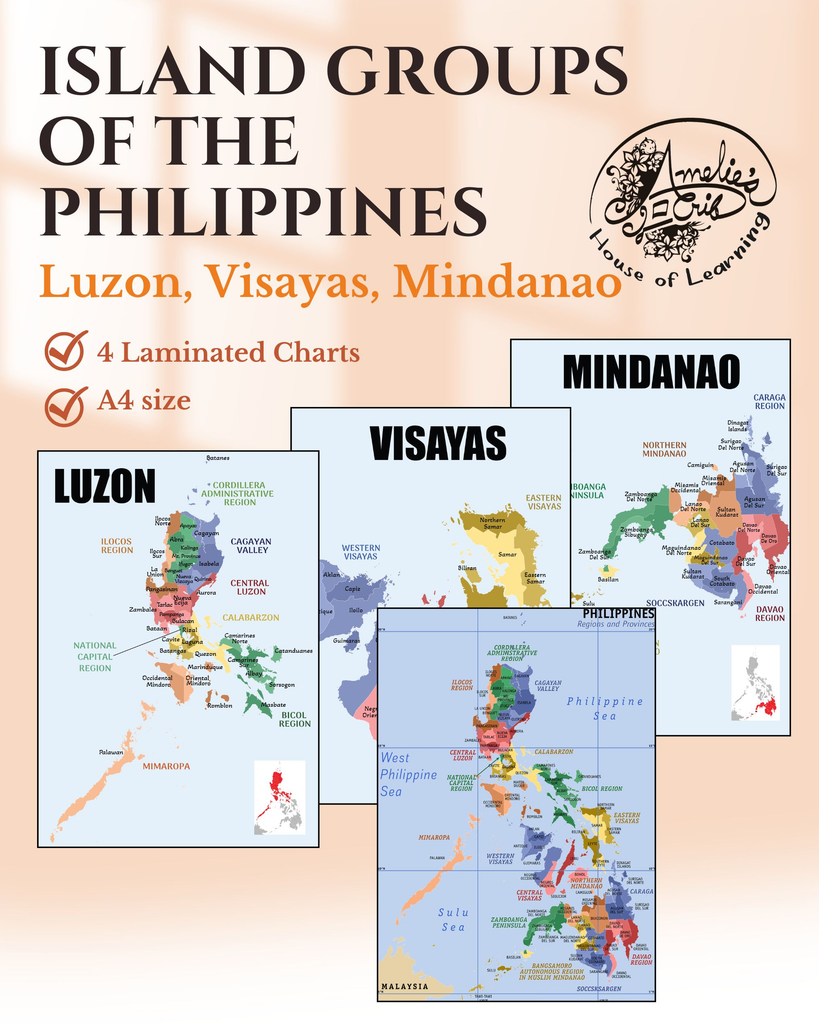
Map by Maplands.com Map by shopee.ph
The Philippines is organized through a multi‑layered administrative system that defines how governance, services, and territorial management operate across the archipelago. This guide explains every level of the hierarchy — from Regions down to Barangays, including Autonomous Regions, City classifications, and the governance structure that connects them.
This page serves as the pillar for all administrative‑division content under the Philippine Information Hub.
Overview of the Philippine Administrative Structure
The Philippines uses a hierarchical system of territorial administration:
- Regions — 17 major administrative groupings
- Provinces — 83 primary local government units
- Cities — HUC, ICC, CC classifications
- Municipalities — 1,488 LGUs
- Barangays — 42,000+ smallest political units
- Autonomous Regions — BARMM
- Governance Hierarchy — how authority flows from national to local
Each level has distinct roles, powers, and responsibilities defined by the Local Government Code of 1991 and subsequent national laws.
Regions of the Philippines
Regions are the largest administrative divisions. They group provinces and cities for:
- planning
- coordination
- statistical reporting
- regional governance
Number of Regions
The Philippines has 17 Regions, including:
- Luzon Regions (I, II, III, IV‑A, IV‑B, V, CAR, NCR)
- Visayas Regions (VI, VII, VIII)
- Mindanao Regions (IX, X, XI, XII, XIII, BARMM)
Purpose of Regions
Regions do not have elected governments (except BARMM). Their purpose is:
- administrative coordination
- regional development planning
- PSA statistical organization
- national agency regional offices
Regions serve as the top-level grouping for all lower administrative units.
H2: Provinces of the Philippines
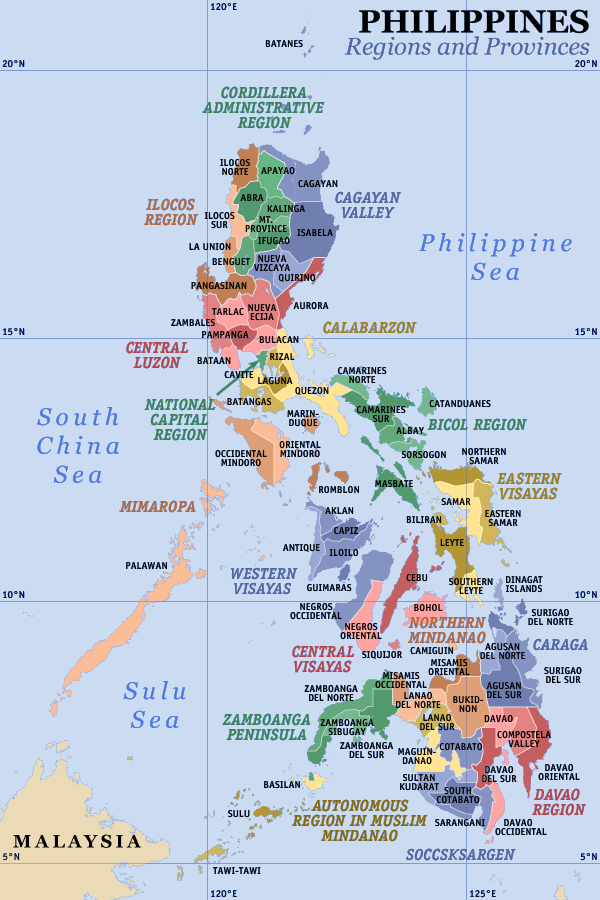
Map by fr.wikipedia.org
Provinces are the primary local government units (LGUs).
Number of Provinces
The Philippines has 83 provinces, each governed by:
- Governor
- Vice Governor
- Sangguniang Panlalawigan (Provincial Board)
Role of Provinces
Provinces manage:
- health systems
- provincial roads
- disaster response
- agricultural programs
- tourism development
- coordination of municipalities and component cities
Provinces are the middle layer between Regions and Municipalities/Cities.
Cities of the Philippines (HUC, ICC, CC)
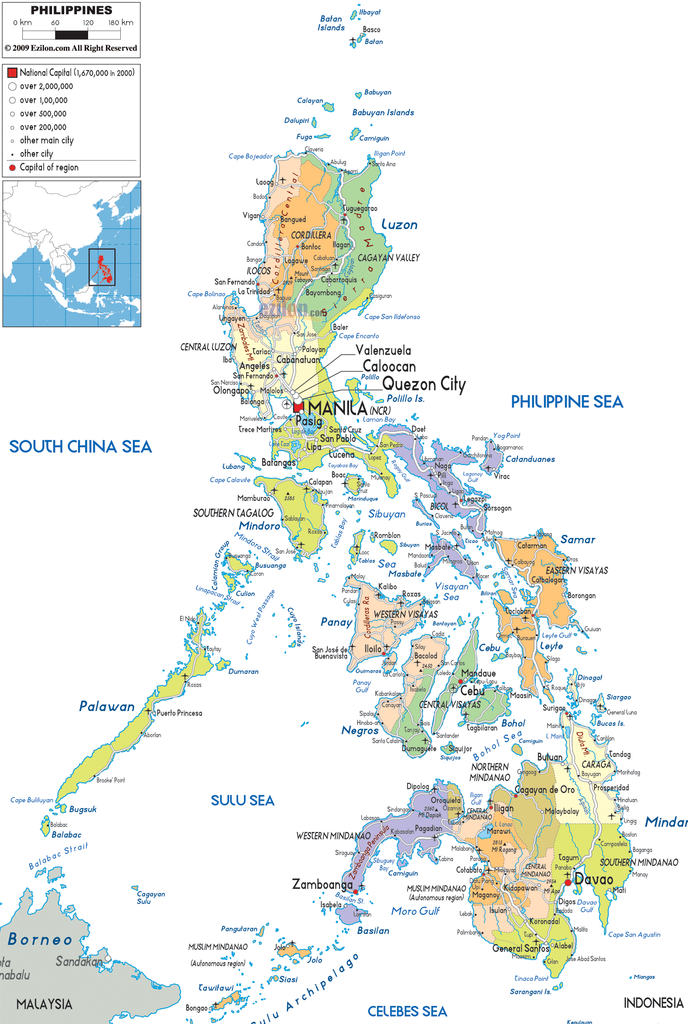
Map by ezilon.com
Cities are highly urbanized administrative units with greater autonomy and revenue.
Three City Classifications
Cities fall under three categories:
- Highly Urbanized Cities (HUC)
- ≥ 200,000 population
- ₱50M+ annual income
- Independent from provinces
- Independent Component Cities (ICC)
- Not under provincial jurisdiction
- Have charters granting autonomy
- Component Cities (CC)
- Part of a province
- Governed jointly with provincial authorities
City Governance
Cities are led by:
- Mayor
- Vice Mayor
- Sangguniang Panlungsod (City Council)
Cities have stronger fiscal capacity and broader services than municipalities.
Municipalities of the Philippines
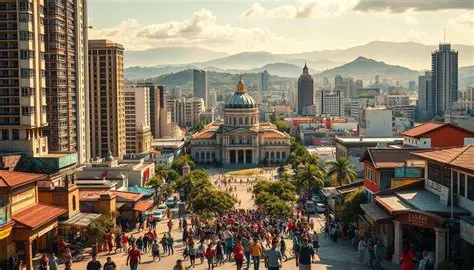
by sinaunangpanahon.com
Municipalities are the most common LGUs, especially in rural and semi‑urban areas.
Number of Municipalities
There are 1,488 municipalities across the Philippines.
Role of Municipalities
Municipalities manage:
- local roads
- basic health services
- small‑scale infrastructure
- local tourism
- barangay coordination
They are governed by:
- Mayor
- Vice Mayor
- Sangguniang Bayan (Municipal Council)
Barangays — The Smallest Administrative Unit
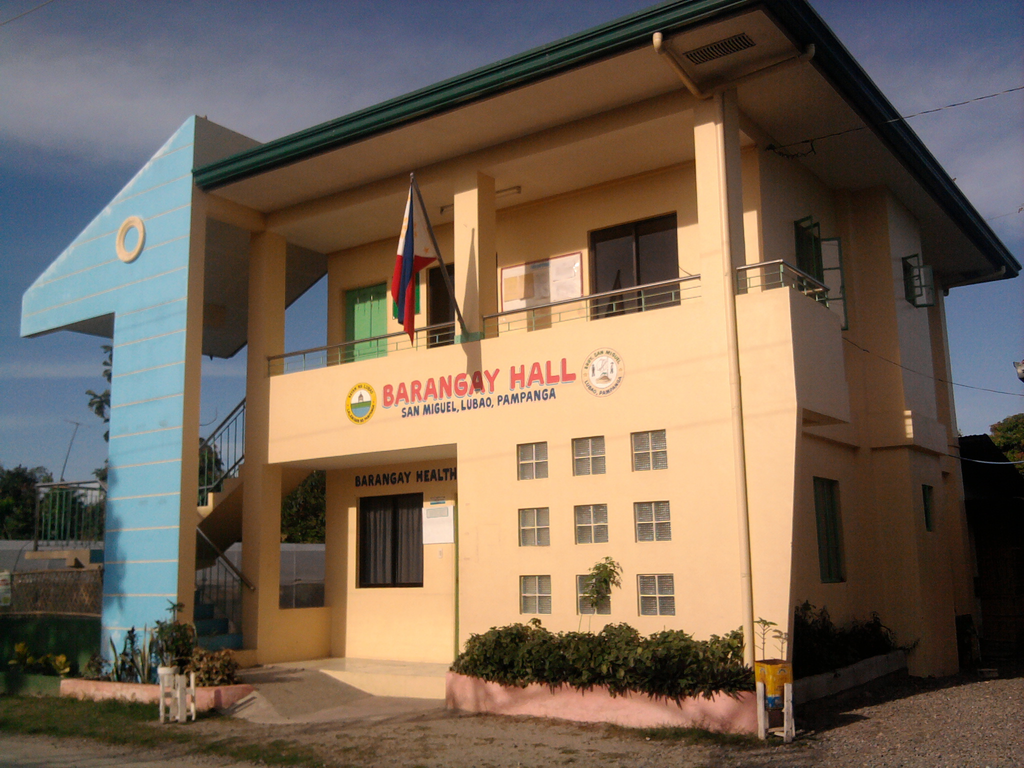
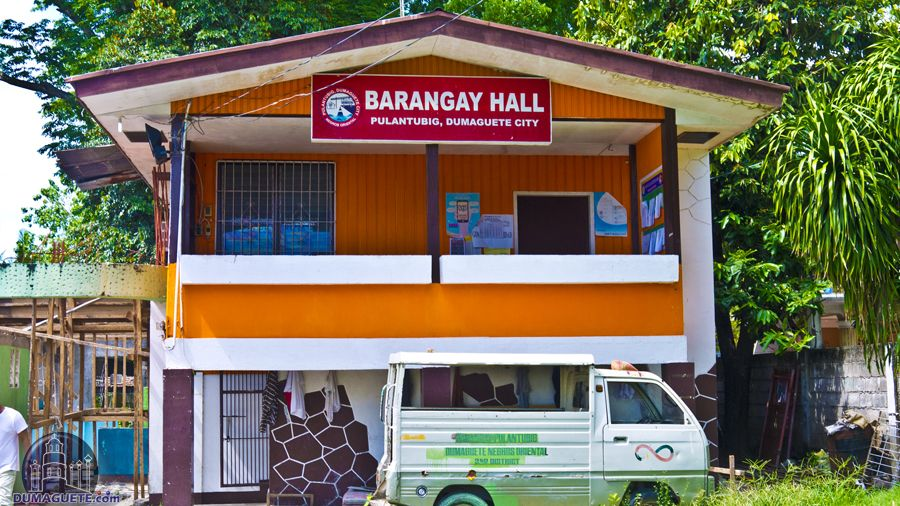
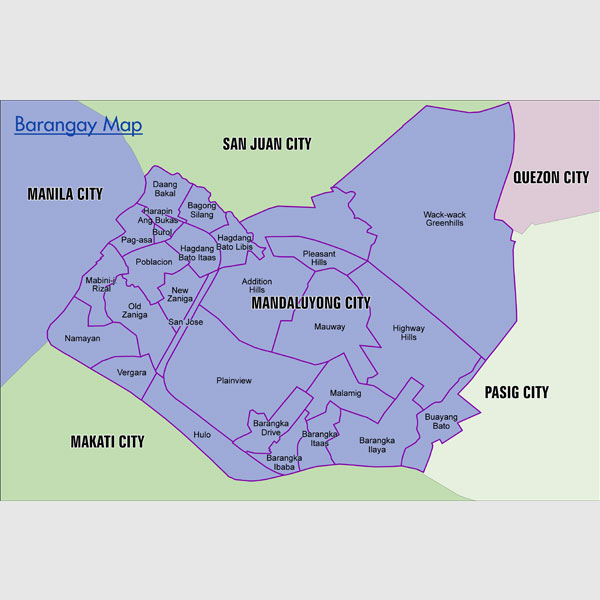
by zamboanga.com by storage.googleapis.com by acu-map.com
Barangays are the smallest political units and the foundation of local governance.
Number of Barangays
The Philippines has 42,000+ barangays.
Barangay Governance
Each barangay is led by:
- Barangay Captain
- Barangay Council (Sangguniang Barangay)
- SK (Sangguniang Kabataan)
Barangays handle:
- community-level services
- peace and order
- local records
- grassroots programs
- disaster response at the neighborhood level
Autonomous Regions
The Philippines currently has one autonomous region:
BARMM — Bangsamoro Autonomous Region in Muslim Mindanao
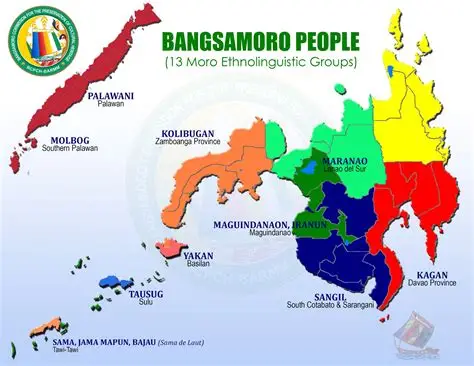
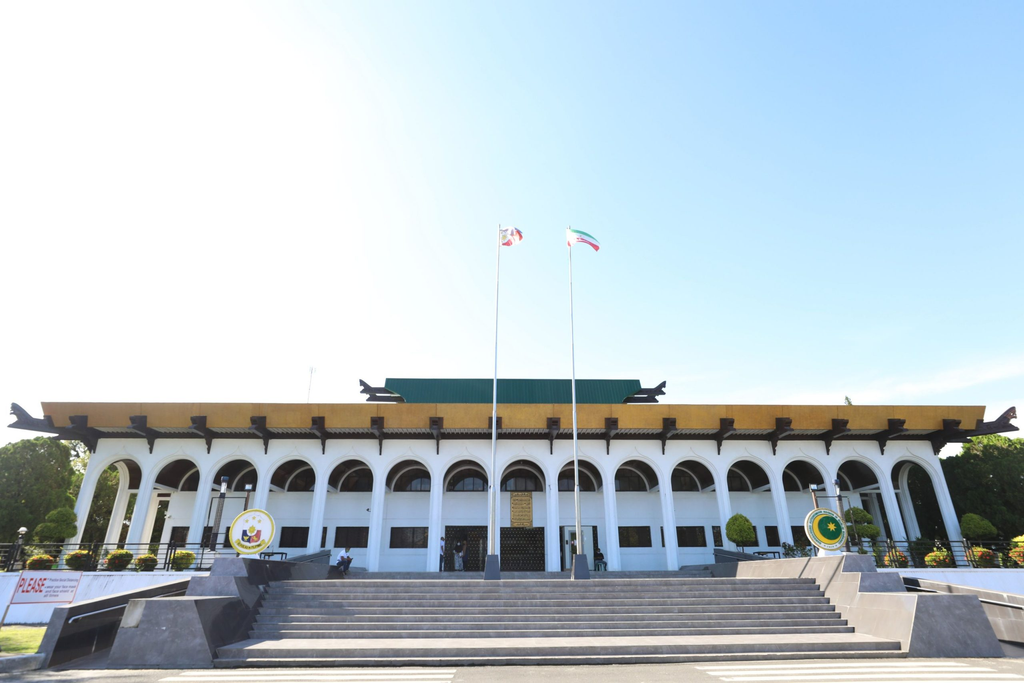
Map by utpaqp.edu.pe by bangsamoro.gov.ph
BARMM has:
- its own parliament
- expanded fiscal autonomy
- regional ministries
- unique cultural and legal frameworks
It replaces the former ARMM and is the only region with self‑governance powers.
Governance Hierarchy in the Philippines
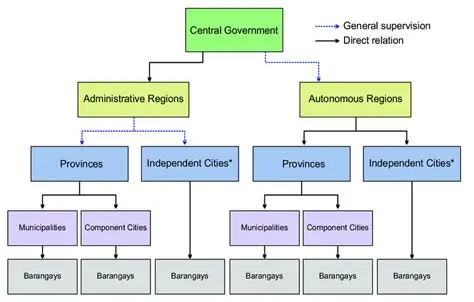
Local Government Structure In The Philippines by ar.inspiredpencil.com
The governance hierarchy flows from national to local levels:
National Government
- President
- National agencies (DOH, DPWH, DOT, PSA, etc.)
- National laws and budgets
Regional Level
- Regional Development Councils
- Regional offices of national agencies
- BARMM Parliament (autonomous)
Provincial Level
- Governor
- Provincial Board
- Provincial departments
City/Municipal Level
- Mayor
- Local councils
- Local departments (health, engineering, tourism, etc.)
Barangay Level
- Barangay Captain
- Barangay Council
- SK Council
This hierarchy ensures governance flows from national → regional → provincial → city/municipal → barangay.
Internal Linking Structure (SEO)
To maximize silo strength, this pillar should link to:
- Regions Explained
- Provinces Explained
- Cities Explained
- Municipalities Explained
- Barangays Explained
- Governance Hierarchy
- Island Groups Explained
Conclusion
Understanding the Philippines’ administrative divisions gives you a clear picture of how the country is organized, governed, and connected from the national level down to the barangay. Each layer — Regions, Provinces, Cities, Municipalities, Barangays, and Autonomous Regions — plays a distinct role in shaping governance, delivering services, and defining local identity.
For travelers, researchers, and everyday readers, knowing how these divisions work helps make sense of geography, culture, and local administration across the archipelago. For your site, this pillar page strengthens the Philippine Information Hub by giving readers a complete, authoritative reference they can rely on.