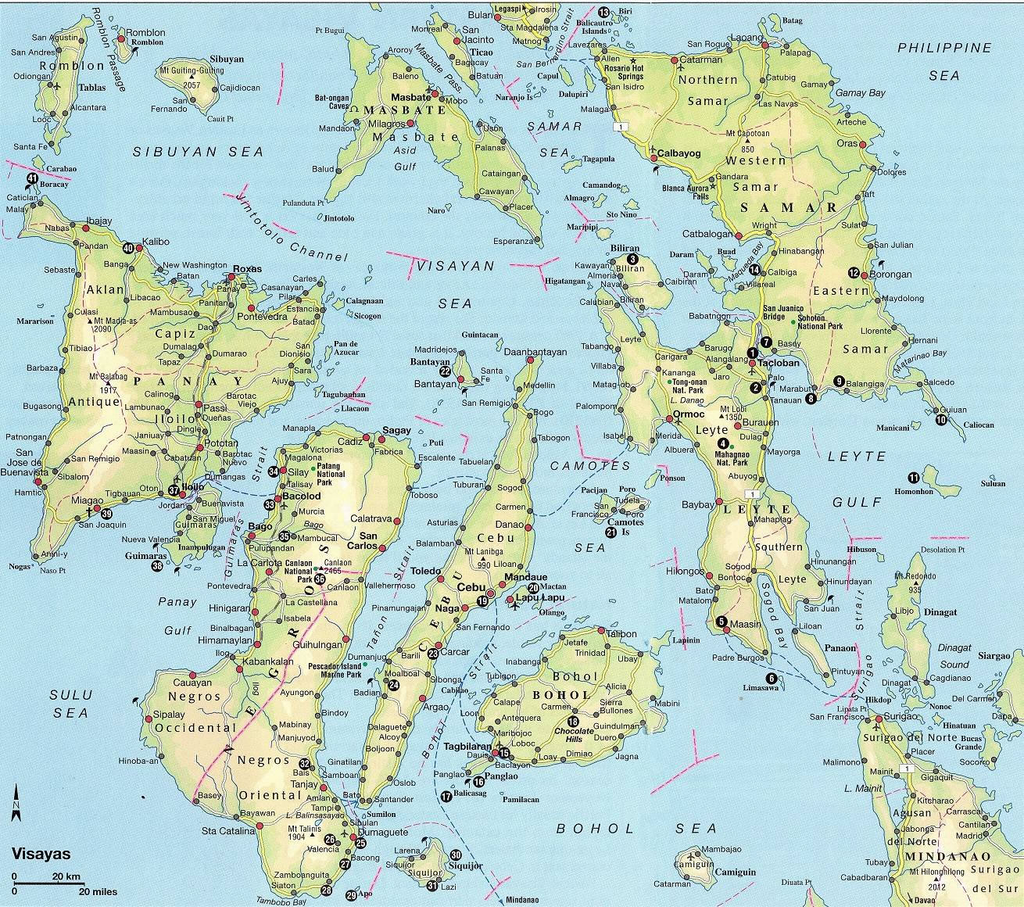
Map by ar.inspiredpencil.com
Visayas Island Group – Complete Administrative & Travel Guide
The Visayas Island Group forms the central geographic belt of the Philippines, composed of three administrative regions: Western Visayas (Region VI), Central Visayas (Region VII), and Eastern Visayas (Region VIII). Known for its island chains, cultural diversity, and maritime economy, the Visayas serves as the country’s bridge between Luzon and Mindanao.
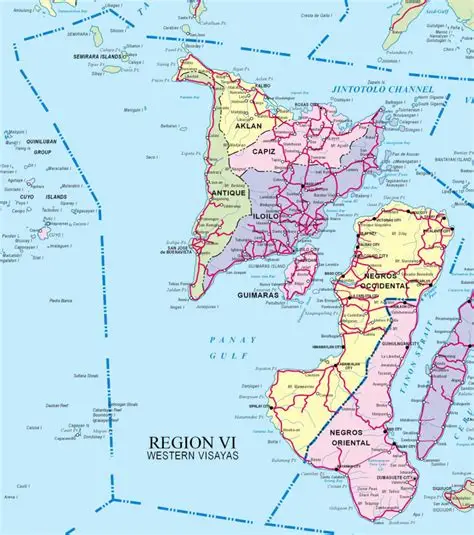
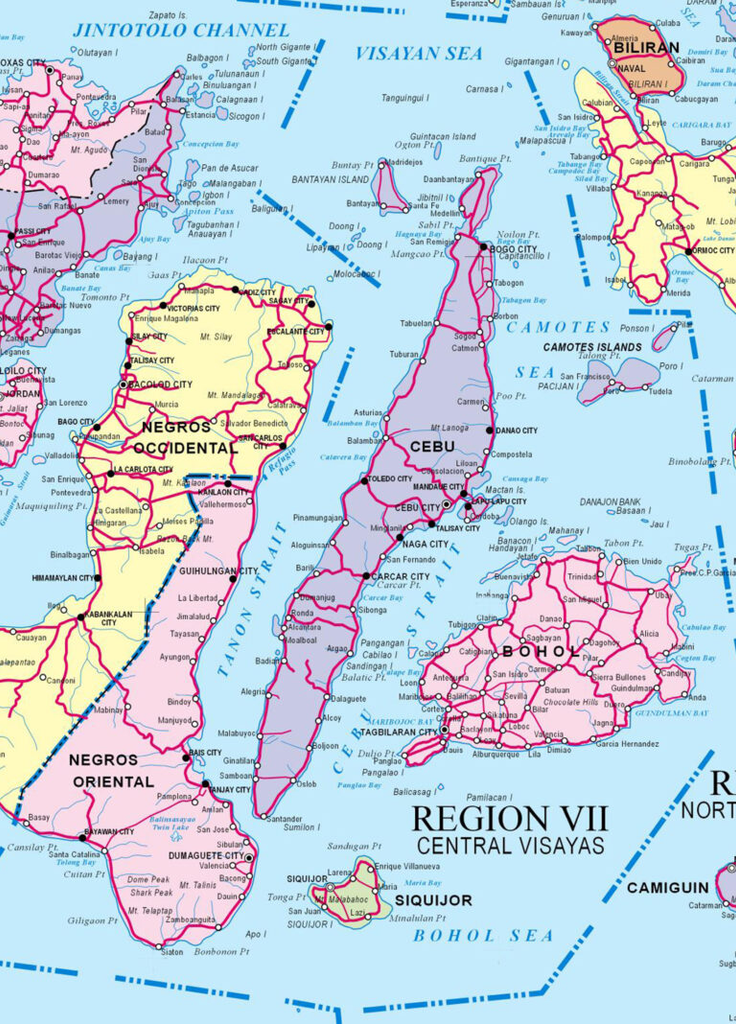
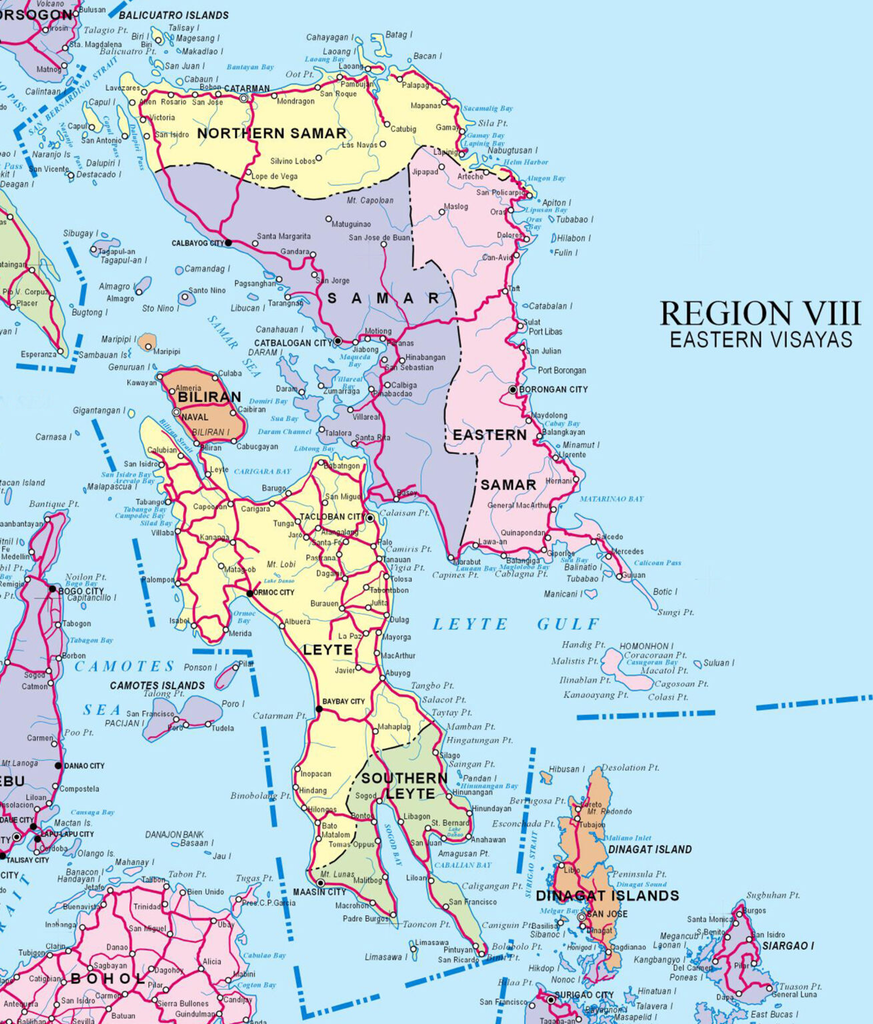
Western Visayas by islandsph.com Central Visayas by islandsph.com Eastern Visayas by islandsph.com
Administrative Identity of the Visayas Island Group
The Visayas is divided into three regions, each with distinct administrative, cultural, and geographic characteristics.
Visayas Administrative Regions
- Region VI – Western Visayas
- Region VII – Central Visayas
- Region VIII – Eastern Visayas
Provinces of the Visayas
The Visayas contains 16 provinces, grouped by region.
Region VI – Western Visayas
- Aklan
- Antique
- Capiz
- Guimaras
- Iloilo
- Negros Occidental
Region VII – Central Visayas
- Cebu
- Bohol
- Negros Oriental
- Siquijor
Region VIII – Eastern Visayas
- Leyte
- Southern Leyte
- Samar
- Eastern Samar
- Northern Samar
- Biliran
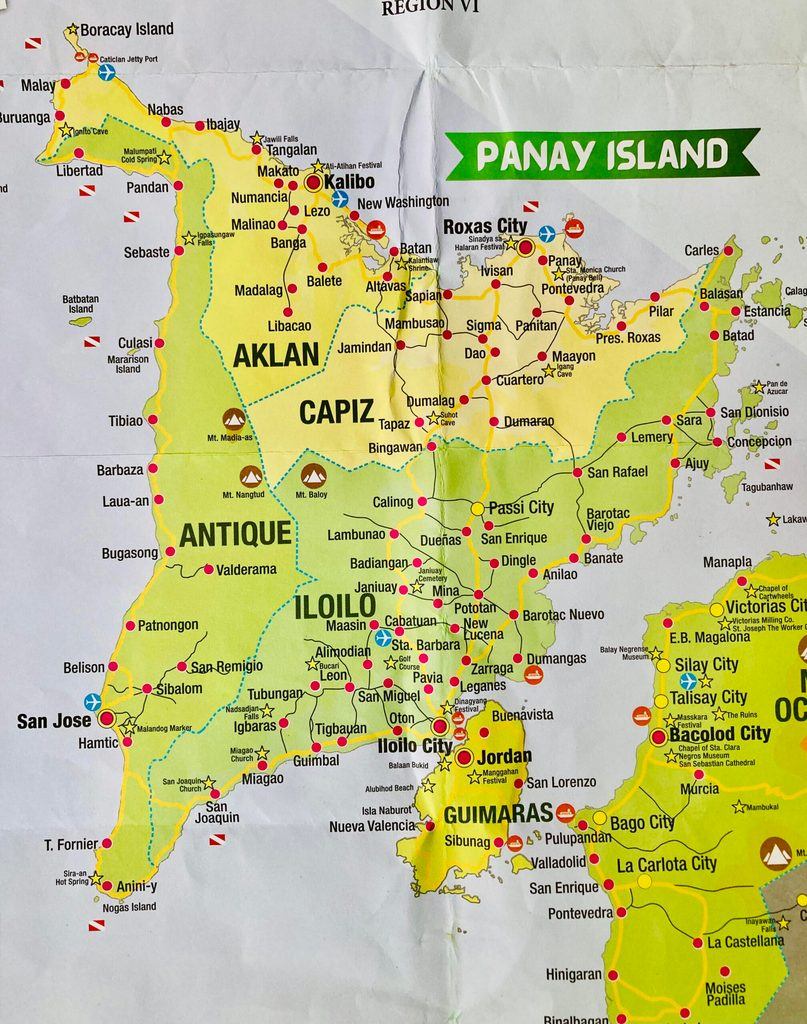
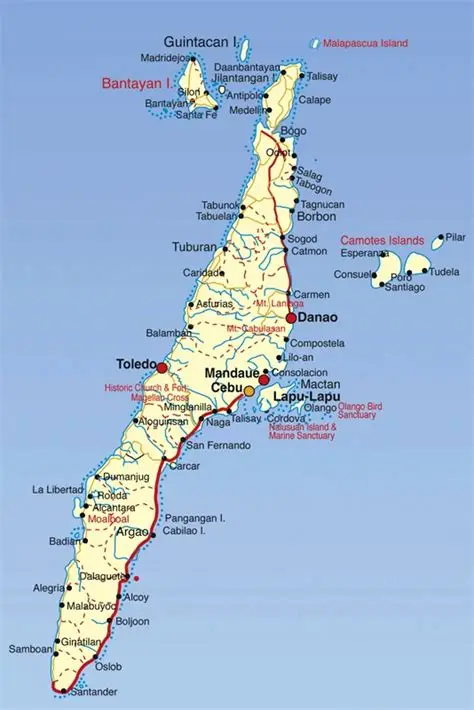
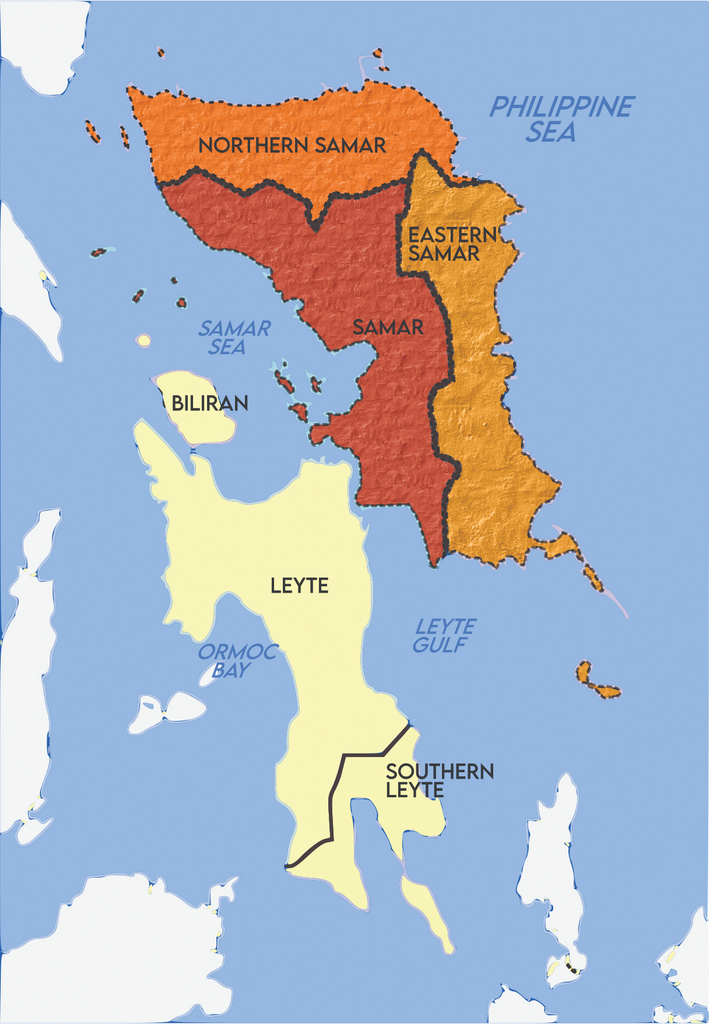
Panay Isalnd by rappler.com Cebu Island by narodnatribuna.info Eastern Visayas by leytesamardailynews.com
Major Cities of the Visayas
The Visayas contains several highly urbanized and component cities that serve as administrative and economic centers.
Key Highly Urbanized Cities
- Iloilo City (Region VI)
- Bacolod City (Region VI)
- Cebu City (Region VII)
- Lapu-Lapu City (Region VII)
- Mandaue City (Region VII)
- Tacloban City (Region VIII)
Other Major Cities
- Dumaguete City
- Tagbilaran City
- Ormoc City
- Roxas City
- Calbayog City
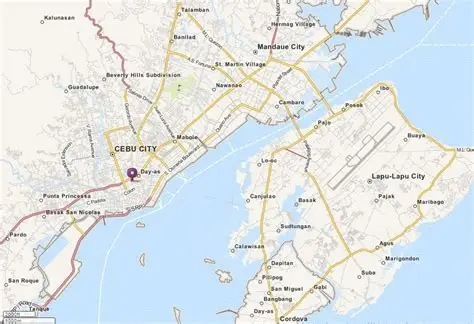
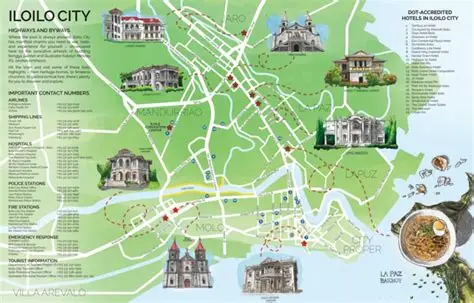
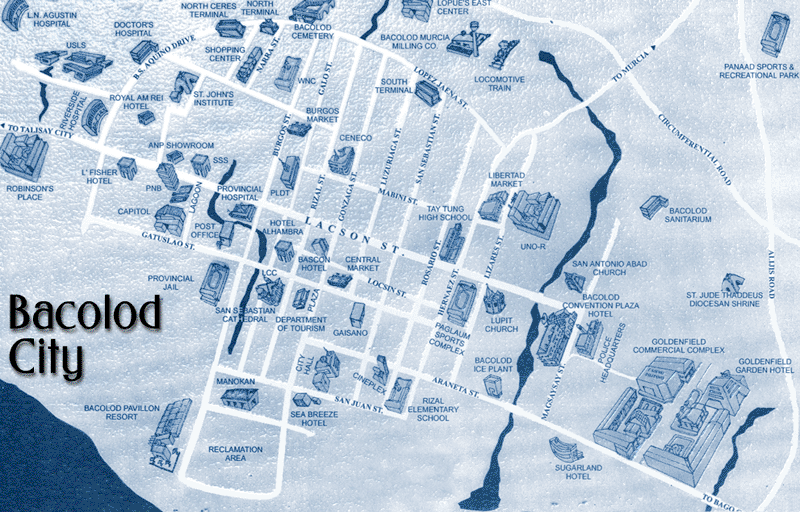
Cebu City by worldmap1.com Iloilo City by pinnaxis.com Bacolod City by geocities.ws
Geography of the Visayas Island Group
The Visayas is characterized by:
- Island clusters separated by straits
- Mountain ranges across Cebu, Negros, Leyte, and Samar
- Volcanic landscapes in Bohol and Leyte
- Coral-rich coastlines and marine biodiversity
- River systems such as the Aklan River and Panay River
Key Geographic Features
- Chocolate Hills (Bohol)
- Mount Kanlaon (Negros)
- Samar Island Natural Park
- Tañon Strait – Largest marine protected area
- Leyte Gulf
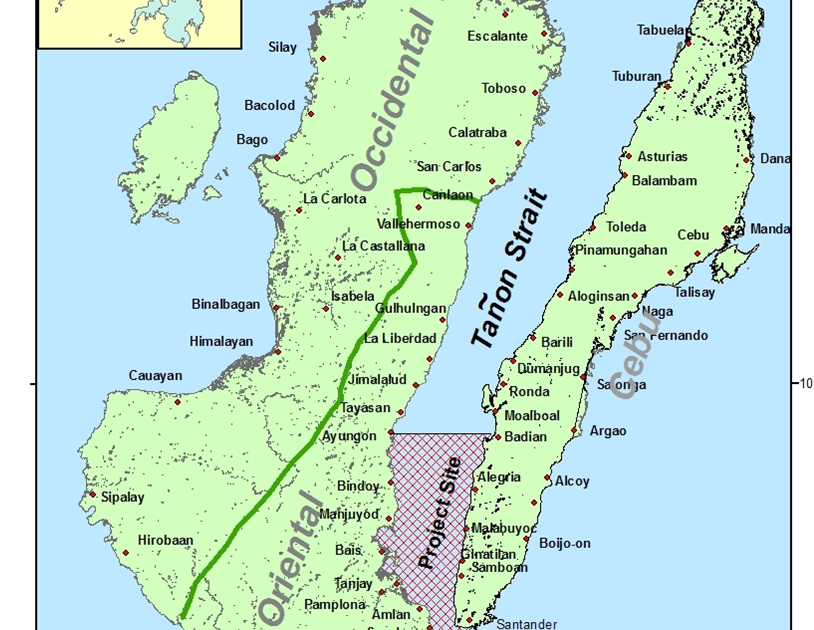
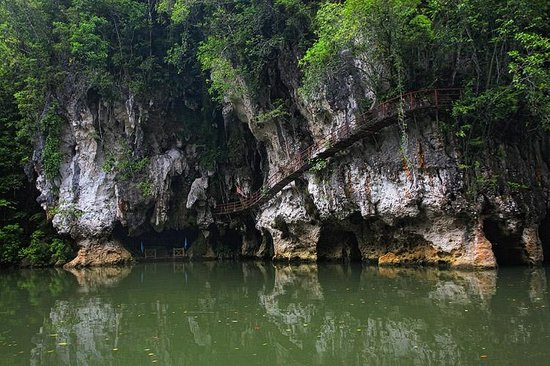
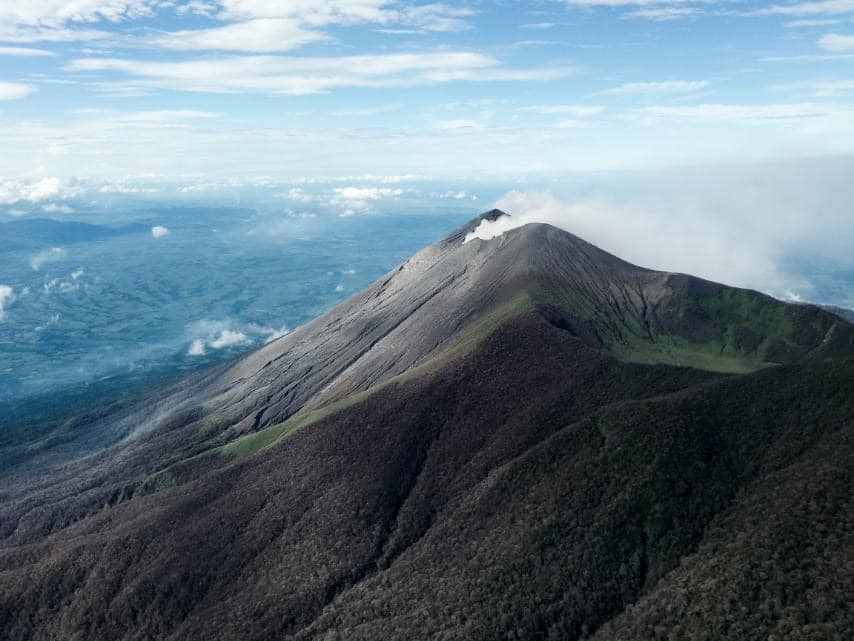
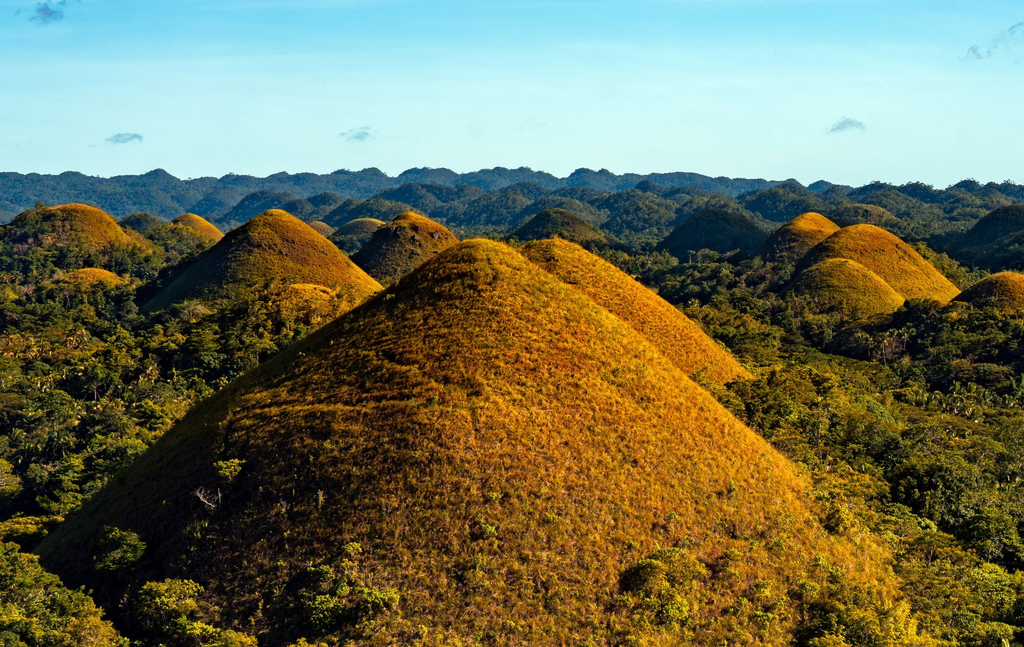
Map by Protected Sea Scape by vernongo.com, Underground River by sky-netconcept.de, Negros Occidental Mtn by peakvision.co and
Chocolate Hills by ar.inspiredpencil.com
Economy of the Visayas
The Visayas economy is driven by:
Key Economic Sectors
- Agriculture – Sugarcane, rice, coconut, fisheries
- Tourism – Cebu, Bohol, Boracay, Siquijor
- Manufacturing – Iloilo, Cebu, Bacolod
- Maritime trade – Cebu Port, Iloilo Port, Tacloban Port
- BPO & IT – Cebu City as the region’s tech hub
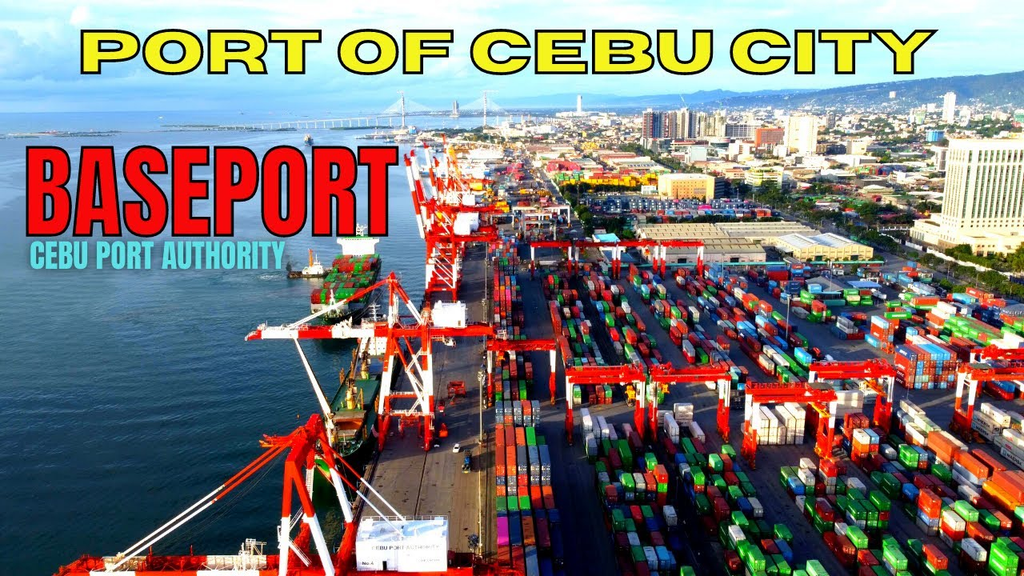
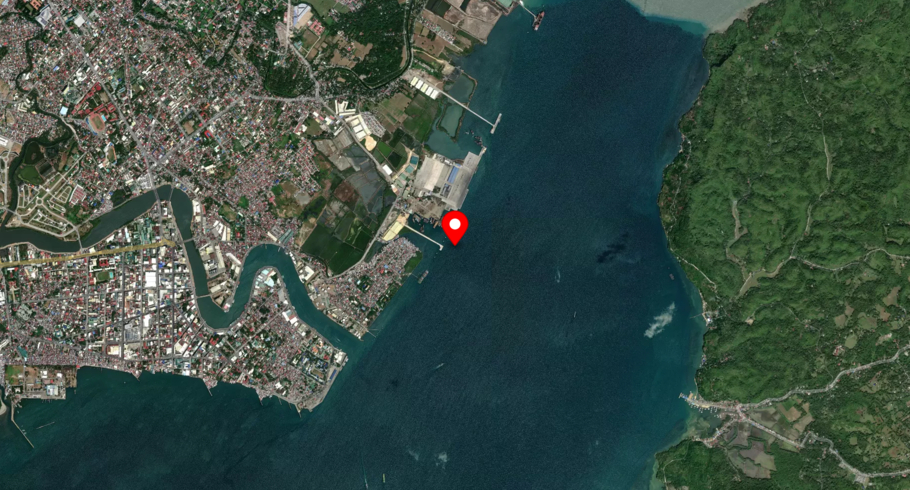
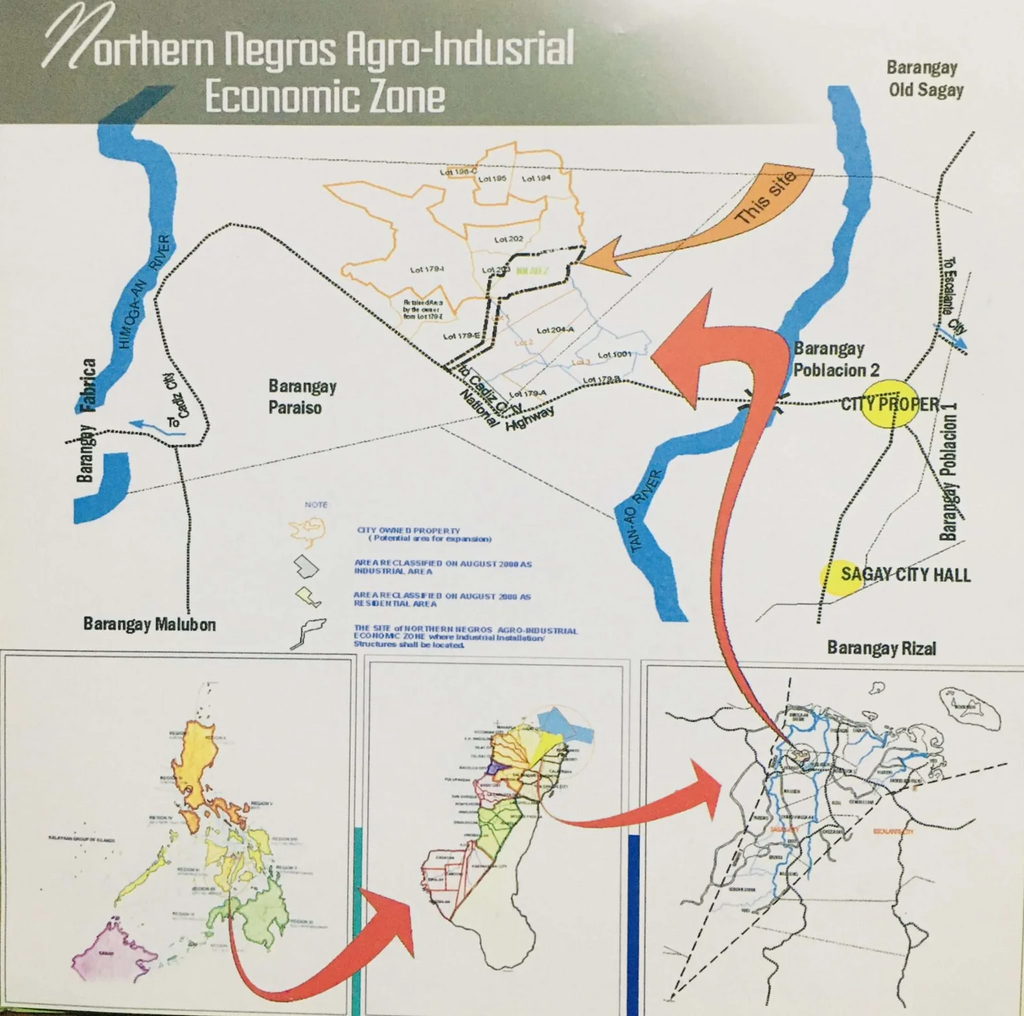
Main port of Cebu by YouTube Iloilo by maritimeoptima.com Sagay City by bacolodcityproperties.com
Travel Overview of the Visayas
The Visayas is one of the Philippines’ most visited island groups.
Top Destinations
- Boracay Island (Aklan)
- Cebu City & Mactan
- Bohol – Panglao, Chocolate Hills, Loboc River
- Siquijor Island
- Negros – Bacolod, Dumaguete
- Leyte – Kalanggaman Island
- Samar – Sohoton Caves & Natural Bridge
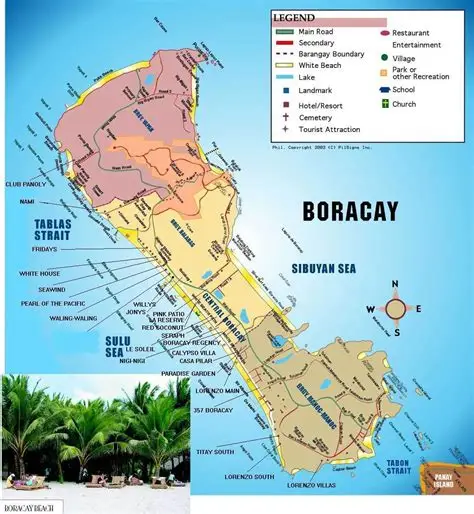
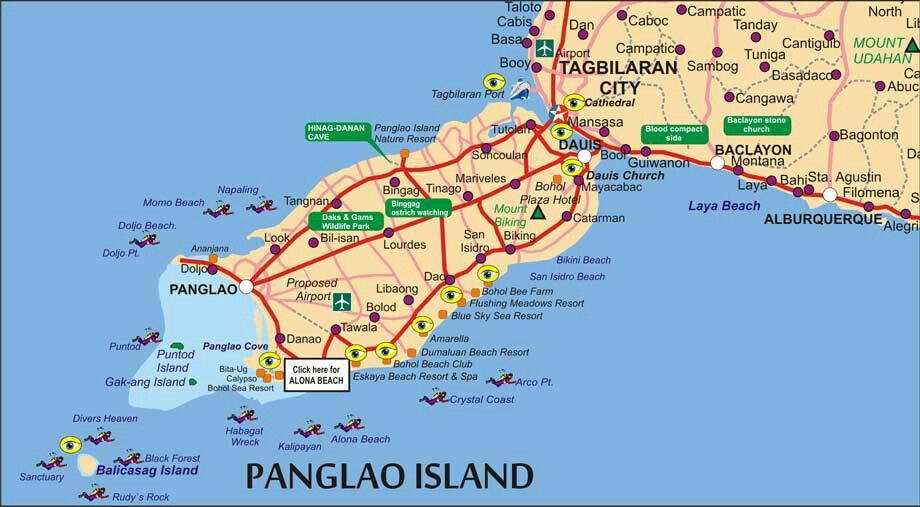
Boracay Island by go-package.com Panglao Island by pinterect.com
Travel Gateways
- Mactan–Cebu International Airport (CEB)
- Iloilo International Airport (ILO)
- Bacolod–Silay Airport (BCD)
- Tacloban Airport (TAC)
- Tagbilaran Airport (TAG)
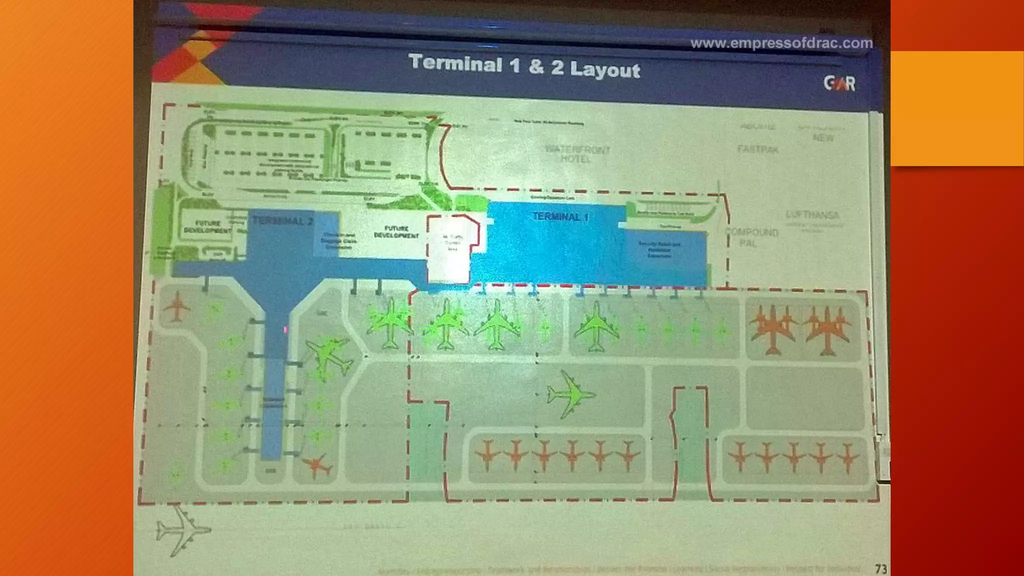
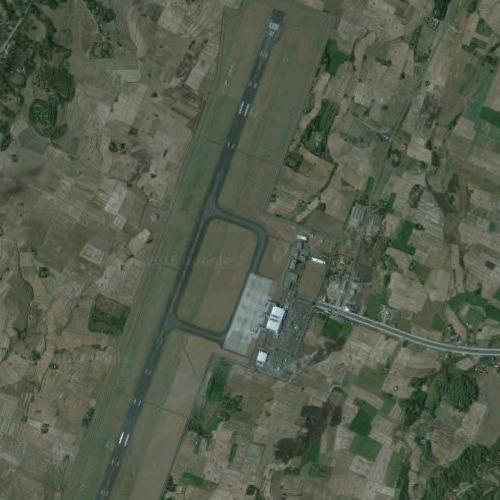
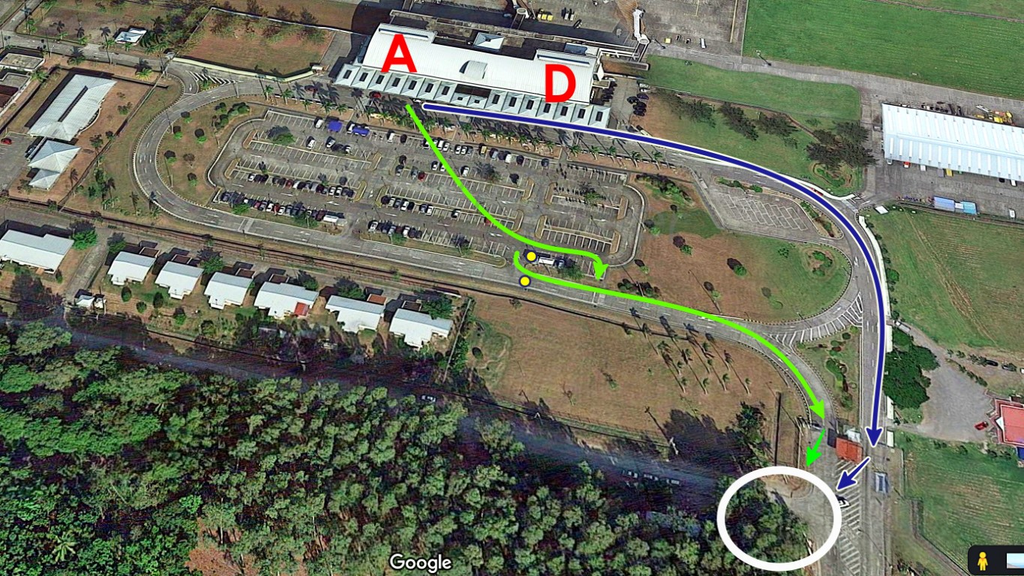
Airports: Mactan by slideshare.net Iloilo by virtualglobetrotting.com Salay by philippinetravelnotes.blogspot.com
Internal Links
Strengthen your Regions Silo with:
- Regions of the Philippines
- Luzon Island Group
- Mindanao Island Group
- All Visayas Region Pages
- Province Pages
- City/Municipality Pages
- Statistics Pages
- Travel Guides
Conclusion
The Visayas Island Group is the heart of the Philippines’ maritime culture, connecting Luzon and Mindanao through its diverse regions, vibrant cities, and world-class island destinations. Whether you’re exploring its administrative divisions or planning travel across its islands, the Visayas offers a rich blend of history, nature, and modern development.