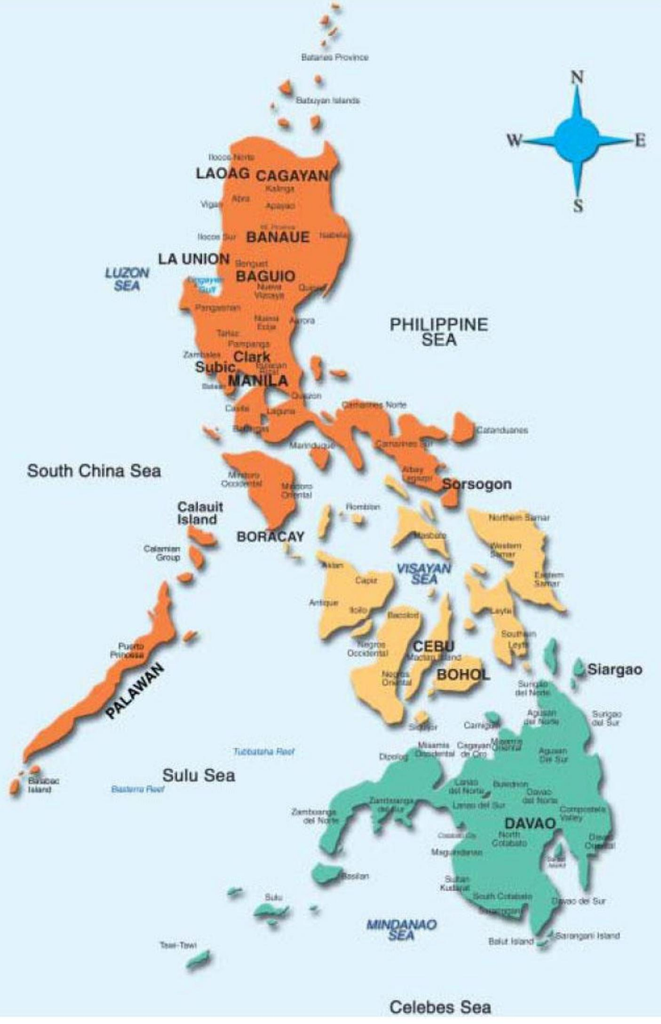
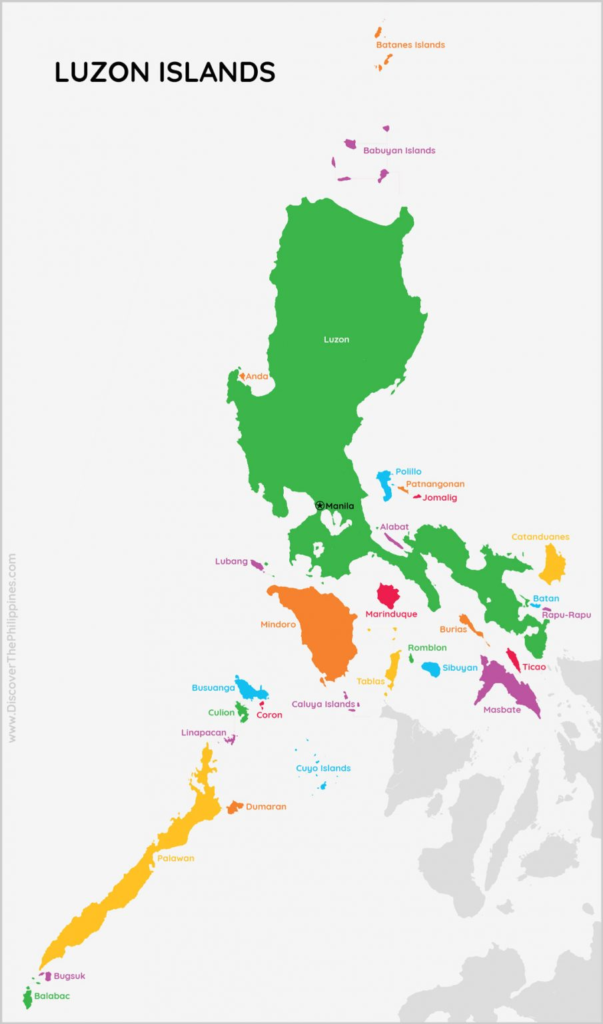
Map by academia.edu Mao by bgeec.visulexi.de
Luzon Island Group – Complete Administrative & Travel Guide
The Luzon Island Group is the largest and most politically significant island group in the Philippines. It contains seven administrative regions, including the Cordillera Administrative Region (CAR) and the MIMAROPA Region, which includes Palawan, Mindoro, and Romblon.
Luzon is home to the country’s major agricultural plains, mountain ranges, cultural heritage centers, and rapidly developing urban hubs.
Administrative Identity of the Luzon Island Group
Luzon’s administrative structure includes:
- 7 Regions
- 38 Provinces
- 70+ Cities
- 900+ Municipalities
- 20,000+ Barangays
Luzon’s Administrative Regions
- Region I – Ilocos Region
- Region II – Cagayan Valley
- Region III – Central Luzon
- Region IV‑A – CALABARZON
- Region IV‑B – MIMAROPA
- Region V – Bicol Region
- Region XIV – Cordillera Administrative Region (CAR)
Provinces of the Luzon Island Group
Luzon contains 38 provinces, grouped by region.
Region I – Ilocos Region
- Ilocos Norte
- Ilocos Sur
- La Union
- Pangasinan
Region II – Cagayan Valley
- Batanes
- Cagayan
- Isabela
- Nueva Vizcaya
- Quirino
Region III – Central Luzon
- Aurora
- Bataan
- Bulacan
- Nueva Ecija
- Pampanga
- Tarlac
- Zambales
Region IV‑A – CALABARZON
- Cavite
- Laguna
- Batangas
- Rizal
- Quezon
Region IV‑B – MIMAROPA
- Palawan
- Oriental Mindoro
- Occidental Mindoro
- Marinduque
- Romblon
Region V – Bicol Region
- Albay
- Camarines Norte
- Camarines Sur
- Catanduanes
- Masbate
- Sorsogon
Region XIV – Cordillera Administrative Region (CAR)
- Abra
- Apayao
- Benguet
- Ifugao
- Kalinga
- Mountain Province
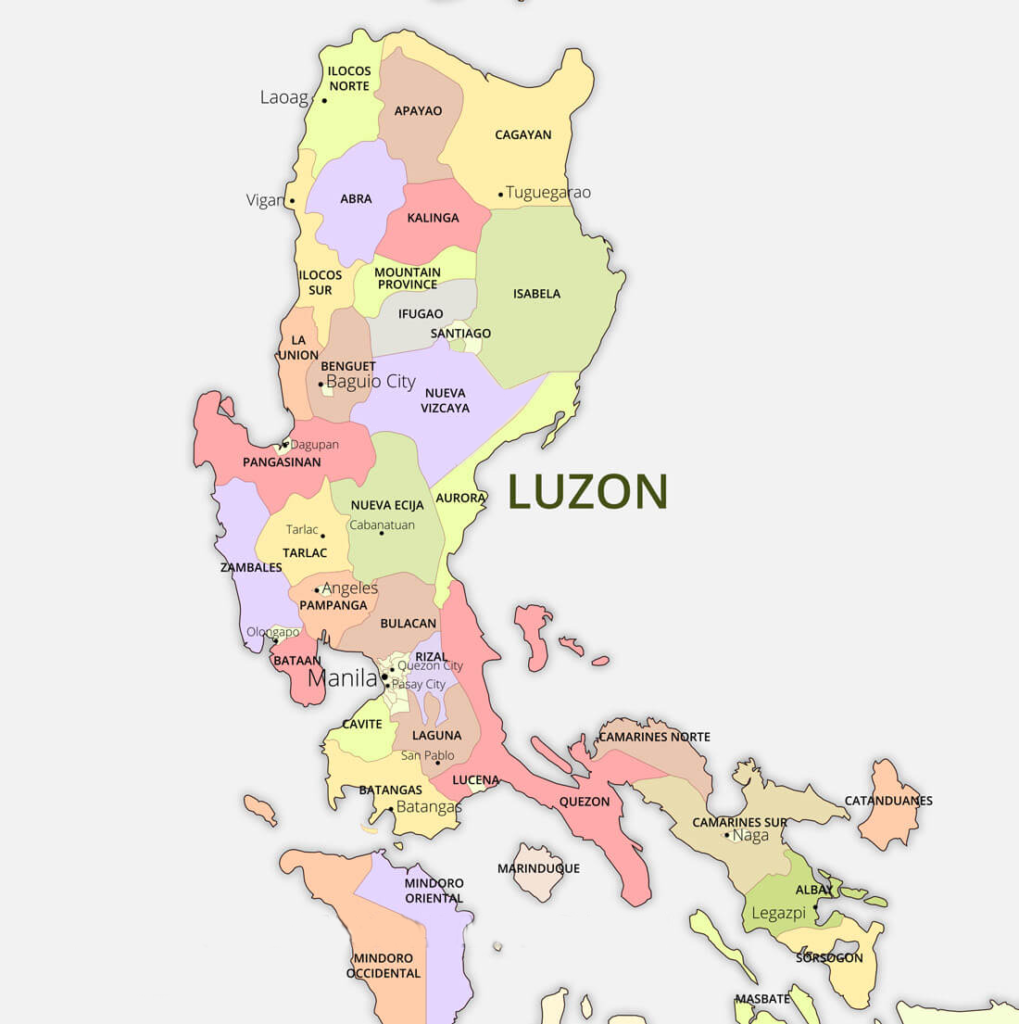
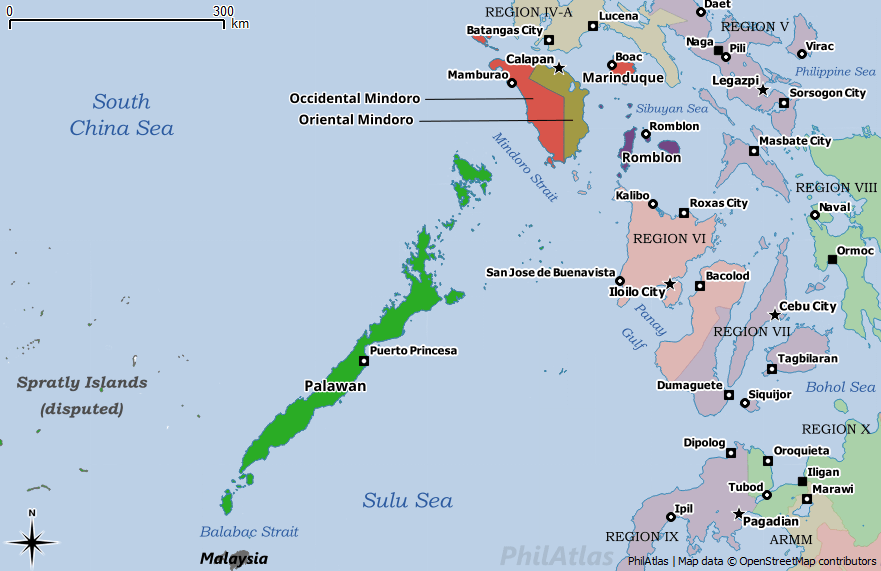
Map by pholder.com Map bytourguideph.com
Major Cities & Districts of Luzon
Luzon contains some of the Philippines’ most important cities.
Key Highly Urbanized Cities
- Baguio City (CAR)
- Angeles City (Region III)
- Olongapo City (Region III)
- Lucena City (Region IV‑A)
- Naga City (Region V)
Major Districts & Urban Centers
- Baguio City Districts
- Dagupan Urban District
- Tuguegarao Urban District
- San Fernando (La Union) Urban District
- Legazpi Urban District
- Naga Urban District
These cities serve as administrative, commercial, and cultural hubs across Luzon.
Geography of the Luzon Island Group
Luzon features diverse landscapes:
- Cordillera Mountain Range
- Sierra Madre Mountain Range
- Cagayan Valley Plains
- Ilocos Coastal Belt
- Bicol Peninsula
- Palawan’s limestone karst mountains
- Mindoro’s highland interior
Key Geographic Features
- Mount Pulag – Highest peak in Luzon
- Cagayan River – Longest river in the Philippines
- Mayon Volcano – Perfect cone volcano in Albay
- Taal Volcano – Lake island volcano in Batangas
- Puerto Princesa Underground River – UNESCO site in Palawan

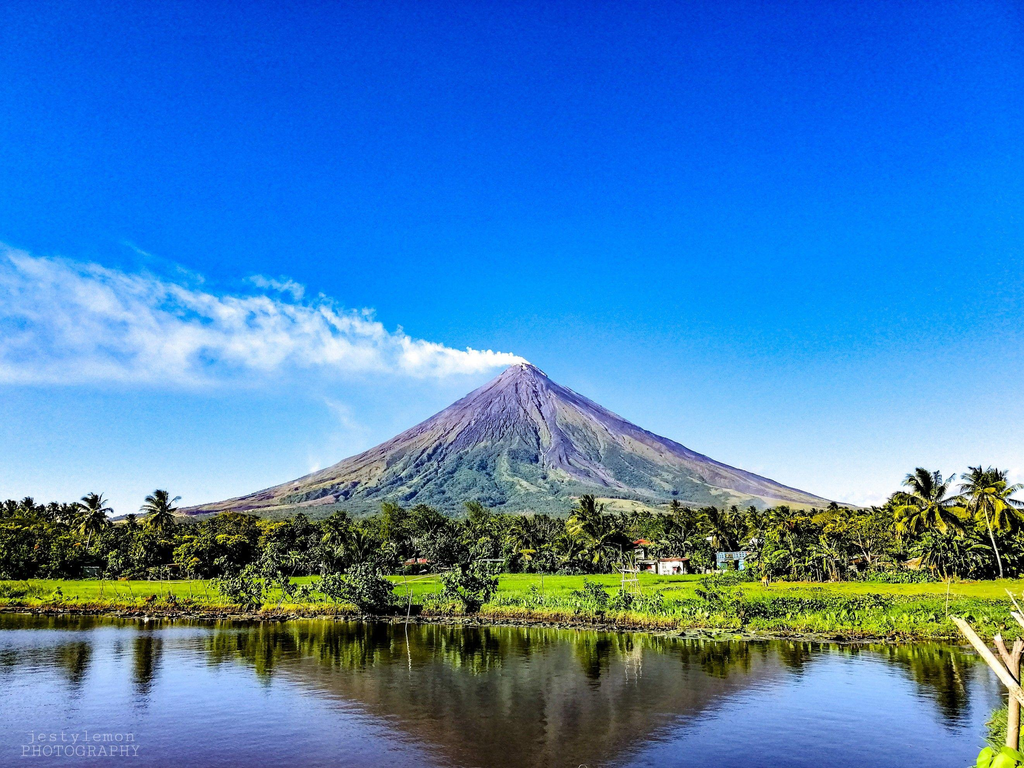
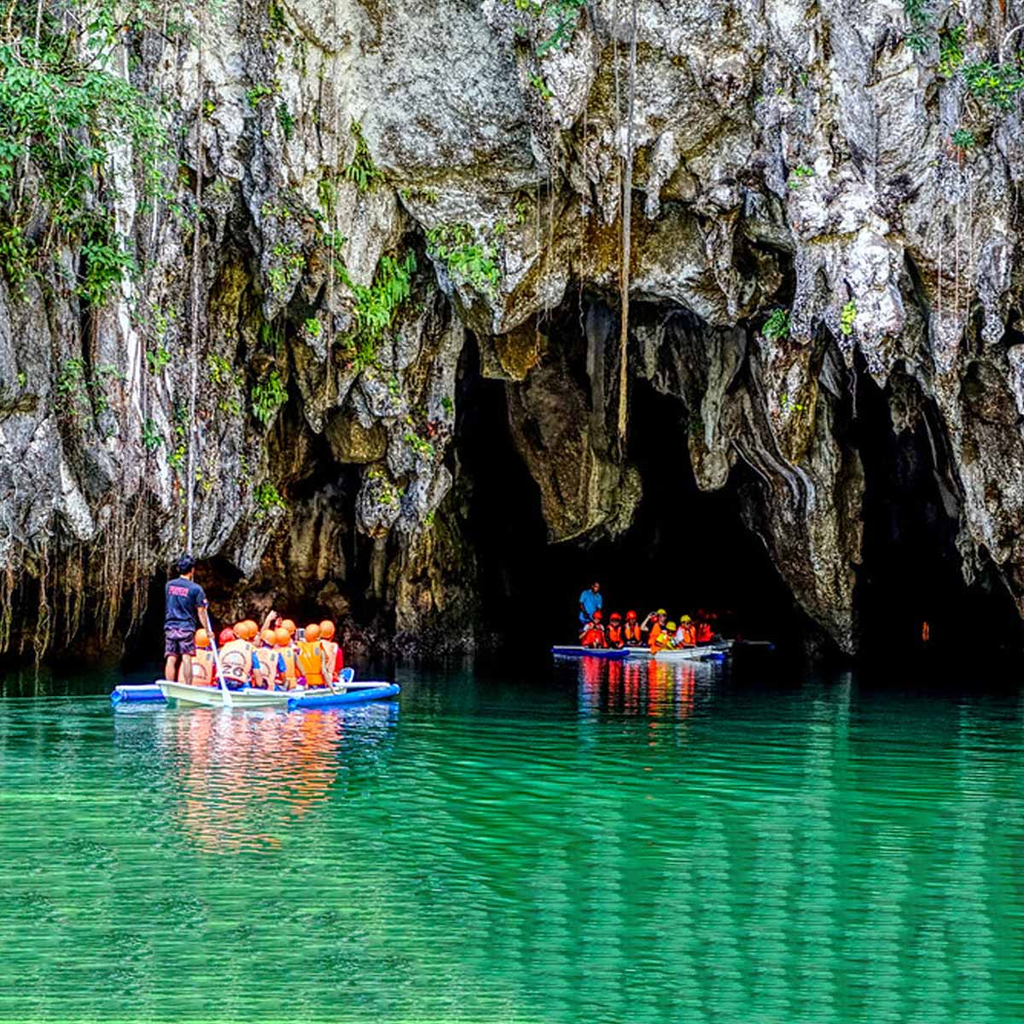
Mt Pulag by storage.googleapis.com Mayon Volcano by wallpaperaccess.com Underground River by storage.googleapis.com
Economy of the Luzon Island Group
Luzon is the country’s largest economic contributor, driven by:
Key Economic Sectors
- Agriculture – Rice, corn, tobacco, coconuts, abaca
- Manufacturing – Central Luzon industrial belt
- Mining – Benguet, Kalinga, Mountain Province
- Fisheries – Palawan, Mindoro, Bicol
- Tourism – Baguio, Vigan, Palawan, Bicol
Luzon’s regions collectively form the backbone of national food production and industrial output.
Travel Overview of Luzon
Luzon offers a wide range of travel experiences:
Top Destinations
- Baguio City – Mountain capital
- Vigan – UNESCO heritage city
- Palawan – El Nido, Coron, Puerto Princesa
- Bicol – Mayon Volcano, Caramoan
- Ilocos – Pagudpud, Paoay Church
- Quezon – Mt. Banahaw, island beaches
Travel Gateways
- Clark International Airport (CRK)
- Puerto Princesa International Airport (PPS)
- Naga Airport (WNP)
- Laoag International Airport (LAO)
Internal Links
Strengthen your Regions Silo with:
- Regions of the Philippines
- NCR – Complete Administrative & Travel Guide
- All Luzon Region Pages
- Province Pages
- City/Municipality Pages
- Statistics Pages
- Travel Guides
Conclusion
The Luzon Island Group forms the administrative and cultural backbone of the Philippines, home to seven regions, dozens of provinces, and some of the country’s most iconic destinations. Whether you’re exploring its cities, studying its administrative divisions, or planning travel across its diverse landscapes, Luzon offers unmatched depth and variety.